Illustration: Katmandu Journal
FROM ITS CONTROL tower, Pokhara’s new international airport offers a splendid vista of the Annapurna range and a sobering view of modern Nepal. The runway is pristine and the terminal sleek. What is missing are the aeroplanes. Since opening the $216m facility has been a showcase of inactivity—a “white elephant”, as locals say. But it is more than a wasteful folly. It is a case study in grand larceny, and it points to where the real danger to Nepal lies.
That peril is not, as so often feared, the geopolitical tug-of-war between its giant neighbours, India and China. It is the calculated betrayal by Nepal’s own ruling class, abetted by foreign partners happy to play the fool for a fee. A recent case from Nepal’s anti-corruption commission alleges the airport is the product of one of the most brazen graft schemes in the country’s history. The details are as audacious as they are simple.
When China CAMC Engineering, a state-owned contractor, bid for the project at 85% above the government’s own estimate, officials did not balk. They allegedly conspired to justify it. Three university professors were enlisted to bless the inflated cost. Ministers and bureaucrats across successive governments approved the bloated budgets. Then the billing began. The commission accuses CAMC of charging millions for importing soil that came from the site itself, billing twice for ventilation systems and invoicing for a fuel tank that was never built. Nepali officials in turn certified the work and authorised payment. In all, nearly $75m is alleged to be pure fraud. The airport is their cemented legacy.
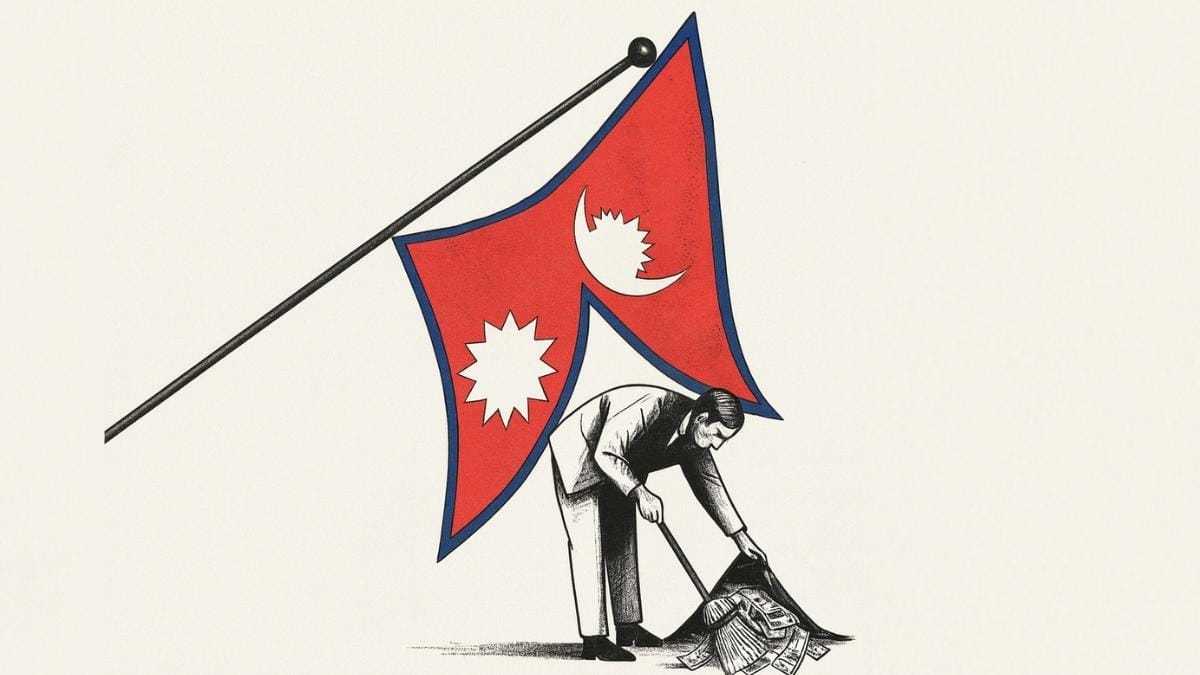
This scandal strips the sheen from the infrastructure diplomacy that sweeps through developing nations. Pokhara was built with a Chinese loan, under the banner of Belt and Road “win-win” cooperation, although Nepali communists are keen to avoid that tag. The reality appears less equitable: a foreign contractor accused of systematic plunder, enabled by a pliant local elite. For Nepal the eternal anxiety is being crushed between India and China. This case suggests a more intimate vulnerability: that its institutions are so rotten that any foreign partner, regardless of flag, can partner with venal officials to pick the country clean. The threat is not a neighbour’s army at the border: it is a neighbour’s company at the treasury, with a local minister holding the door open.
The costs are cripplingly concrete. Nepal is saddled with debt for an airport that earns little. Public trust, the foundation of any state, corrodes further. For every white elephant like Pokhara, a dozen smaller schemes bleed the nation dry. It signals to every honest entrepreneur that the game is rigged, and teaches every citizen that their taxes are a siphon for the powerful.
What is to be done? The anti-corruption commission’s boldness in charging former ministers and a Chinese state firm is a necessary start. But it is not enough. Nepal’s procurement laws are obviously tissue-thin if a cabal of officials and a complicit consultant can so easily gut them. Mandatory, independent technical audits for giant projects are needed. Liability for overruns must fall more heavily on contractors and the officials who certify their work.
And the lending models of international partners, China included, call for scrutiny. Loans that flow through opaque, no-bid contracts to chosen state contractors are an invitation to corruption. Donors have a responsibility to insist on transparency and competition—not merely to protect their money but to protect the countries they claim to help.
Pokhara’s silent tarmac is a warning. A nation’s most insidious enemies are often those entrusted with its safekeeping, and the sweetest deals are usually the most poisonous. Choosing to ignore graft for the sake of powerful friends only deepens dependency and poverty. The harder road—building transparent, accountable institutions—demands politicians who fear the law more than they covet kickbacks, and partners who value integrity over easy profit. The first step is to ensure the ghosts of Pokhara are not forgotten and made to answer for the hollow monument they left behind. ■