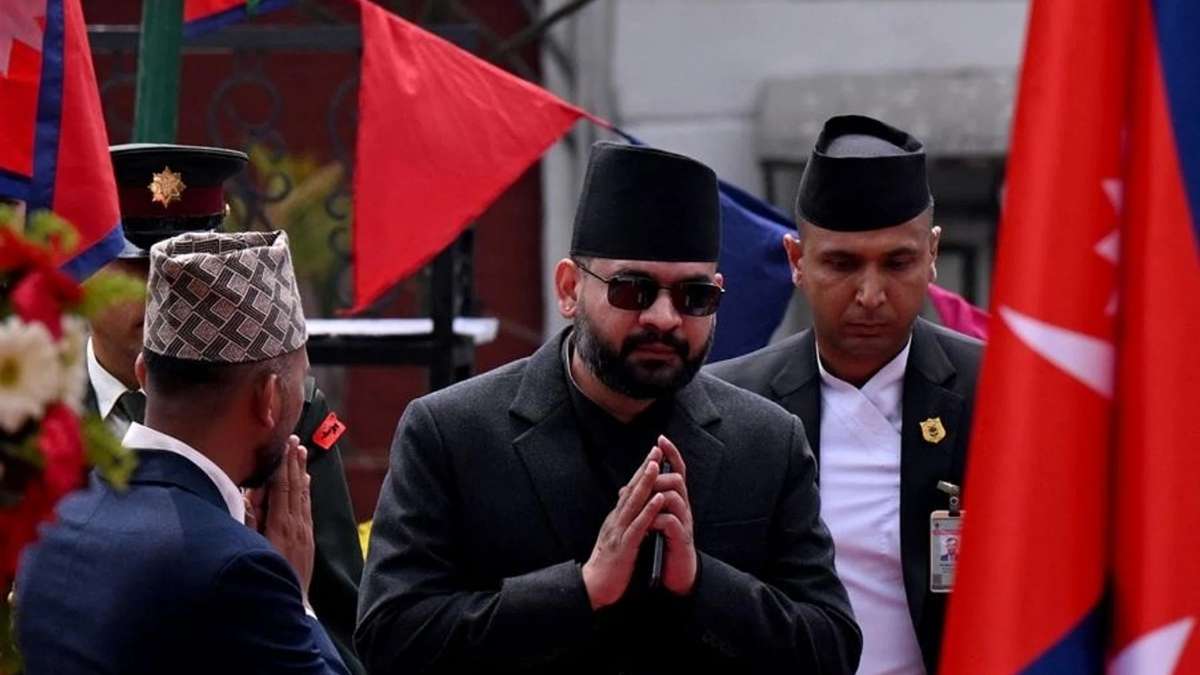
IMAGE: PRAKASH MATHEMA/AFP
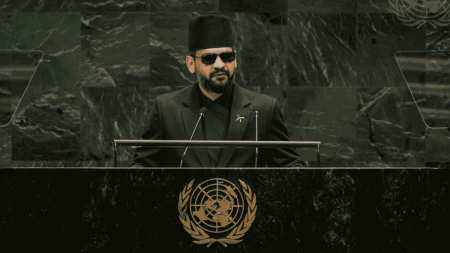
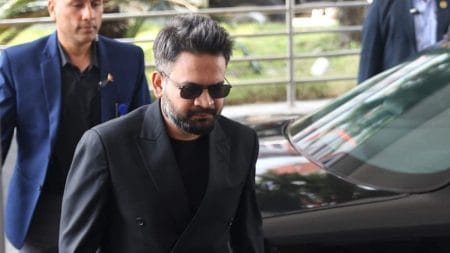
THE ELECTION of a new prime minister from the Madhesi community, a surge in support for a party promising a break with ethnic and regional politics, and a youthful electorate that chants about sovereignty. In Kathmandu the air smells of possibility. After years of being treated as a geopolitical doormat, Nepal, so the story goes, will finally stop choosing between its two giant neighbours. It will become a bridge and not a buffer. That is a delusion.
The notion that Nepal can escape the gravitational pull of India and China by sheer force of nationalist sentiment ignores the hard geography and the harder money that binds it already. China has spent years entrenching itself: not through the sort of grand, debt-laden BRI projects that make headlines, but through smaller, smarter connectivity links with Tibet, energy investments and a persistent courtship of domestic political factions. The result, as one observer puts it, is that no actor in Nepal can now ignore China, whether they wish to or not.
Meanwhile India has learned from its own blunders. The unofficial blockade of 2015, a ham-fisted attempt to pressure Kathmandu, backfired spectacularly. It handed China an opening, radicalised Nepali opinion against Delhi and taught Indian diplomats a painful lesson: heavy hands break things. Today India’s approach is lighter, though no less self-interested. It casts itself as the mothership of democracy in the neighbourhood, a flattering self-portrait that obscures a plainer truth. India wants a stable, pliable Nepal. It does not want a Chinese garrison on its northern flank.
So where does that leave the new government? The talk of becoming a “dynamic bridge” sounds noble. In practice it means pleasing two masters who want opposite things. China wants stability in Tibet and a gateway to South Asian markets and geopolitics. India wants to ensure that the gateway does not become a backdoor for Chinese influence. Nepal’s room for manoeuvre is shrinking.
The biggest obstacle to a multi-aligned foreign policy is Nepal itself. It. The same youthful, sovereignty-obsessed electorate that swept a new party to power will punish any leader seen as selling out. That makes compromise—the currency of survival for small states—politically toxic. The new prime minister may come from the Terai, historically more connected to India. But he governs in an age of hyper-nationalist scrutiny. Every concession to Delhi will be called treachery. Every Chinese project will be hailed or condemned not on its merits but on its origin.
The practical upshot is stasis. Nepal will continue to accept Chinese money for infrastructure and Indian aid for energy and employment, all while pretending it is pursuing an independent path. That is not bridge-building. It is a tightrope walk without a net. One misstep—a border skirmish, a Tibetan protest—and the balancing act collapses.
The wisest course is also the least romantic. Nepal should stop trying to be a bridge and start being a better neighbour. That means deepening ties with India on practical matters—from trade and water to labour mobility—where the organic links are already unbreakable. And it means engaging China transparently, on projects that deliver clear returns, rather than vanity infrastructure that serves only Beijing’s strategic aims. Above all, it means building functioning domestic institutions. A weak state cannot balance giants. It can only be squeezed by them.
The young voters who dream of sovereignty deserve better than the old script of pawn and patron. But wishing away geography is not policy. Nepal will never be Switzerland. Its fate is to be haunted by two shadows. The only choice is how gracefully it learns to live with them. The rope is not getting thicker. ■