IMAGE: PRAKASH MATHEMA/AFP
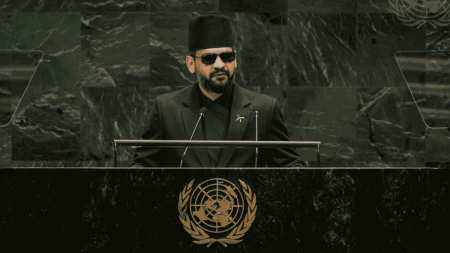
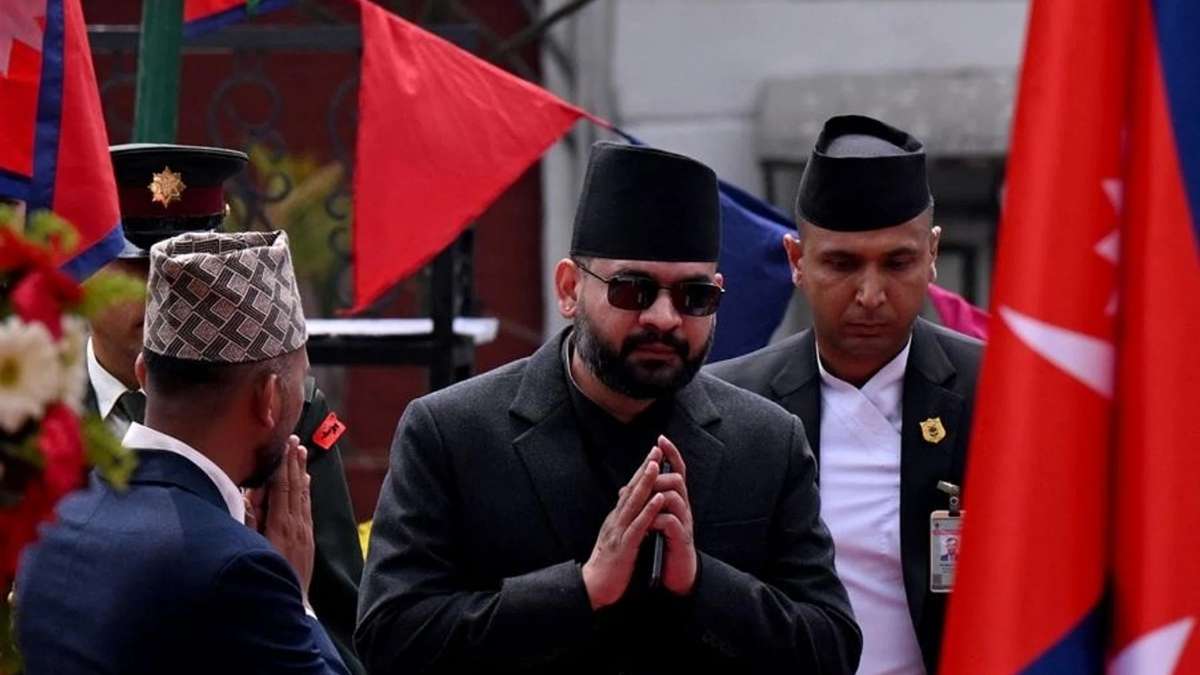
NEPAL’S RECENT history reads like a curse: fifteen governments in seventeen years, an economy sustained by remittances from a diaspora that does not want to come home, and a political class so self-serving that it made incompetence feel like strategy. So when Balendra Shah—rapper, engineer, bulldozer-wielding mayor—swept to power in March on a wave of youth fury, the relief was almost audible. Here, finally, was someone who talked like a normal person and acted like a man in a hurry. He promised to fix a broken system, not talk it to death. Yet only seven weeks into his premiership, a familiar smell is in the air: the sharp tang of the strongman.
As mayor of Kathmandu Mr Shah livestreamed meetings, humiliated bureaucrats and bypassed the federal government when it suited him. Now, as prime minister with a near two-thirds majority, he has moved faster still. His cabinet has pushed through half a dozen ordinances that short-circuit parliament. One would let a tiny minority of the Constitutional Council—three out of six members—appoint judges, ambassadors and the heads of all thirteen constitutional commissions. When the president sent it back for a rethink, the government simply resent it. Another ordinance allowed him to sack 1,600 officials on May 2nd. A YouTuber who used “abusive language” about the prime minister was arrested, then released after an outcry.
This is not yet autocracy. But it is the autocrat’s playbook. The tragedy is that many Nepalis are cheering. After decades of paralysis, decisiveness feels like oxygen. The old parties had turned democracy into a form of slow larceny. They deserved their electoral immolation. Mr Shah’s diagnosis of the disease is largely correct: a patronage-soaked bureaucracy, a judiciary that moved at geological speed, an economy shackled by cronyism. His finance minister, Swarnim Wagle, is a serious economist. His 100-point reform plan talks of growth at 7% and a stable tax regime. For the first time in years, there is a whiff of adult supervision.
The problem is the method. Populists who win on a mandate to smash things rarely stop to ask which institutions deserve the hammer and which need reinforcement. Mr Shah’s governing style (confrontational as well as personalised and allergic to deliberation) looks like a continuation of his mayoral theatre. But running a country is not running a city. Bulldozers work on illegal basements. They are less useful for building a supreme court that can resist political pressure, or a civil service that serves the public rather than the ruling party.
The bigger danger is what Mr Shah’s methods will do to Nepal’s already fragile democratic immune system. His supporters see the ordinances as necessary medicine. They are wrong. Once the executive gets used to ruling by decree, it forgets how to persuade. Once appointments become tools of loyalty rather than competence, merit withers. Once the media is economically squeezed—his government has cut advertising to private outlets—scrutiny becomes self-censorship. None of this needs a coup. It just requires a steady, justified belief that the ends justify the means.
The international community, still traumatised by democratic collapses from Budapest to San Salvador, is watching nervously. India sees a mercurial neighbour who once banned Bollywood and waved a “Greater Nepal” map. China sees its communist allies routed. America sees an opening. All three are calculating whether Mr Shah is a reformer who can be worked with or a wrecking ball who must be managed. They would do better to speak plainly: strongmen are bad investments.
Nepal’s young, angry, hopeful generation did not vote for a new autocrat. They voted for something that worked. The cruel irony is that the shortcuts of the strongman will, in the end, build a system as broken as the one they replaced—just faster, shinier and harder to escape. Mr Shah still has time to choose. The bulldozer is a fine tool for demolition. Governing needs something else entirely. ■