IMAGE: JAGDAMBA STEELS
IN MAY a plot in Bakundole, in Lalitpur’s Sanepa neighbourhood, came onto the market at Rs1.25 crore per aana, roughly Rs12.5m for a patch of ground measuring about 342 square feet, somewhat smaller than a one-car garage. A typical middle-class house in Kathmandu Valley sits on two to five aana. Buying the land alone for a modest family home in this part of Lalitpur, before a single brick is laid, could run to Rs25-60m.
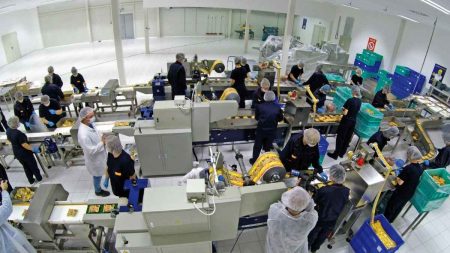
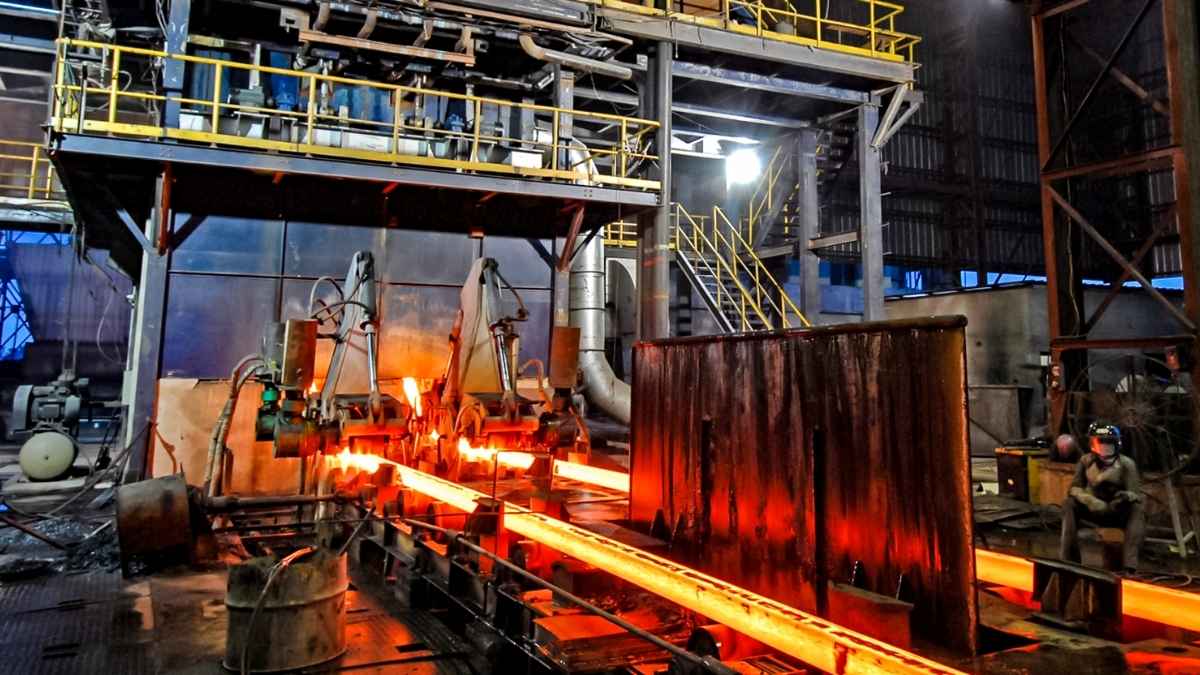
Now put that beside what it actually costs to build something that makes things. Under Nepal’s Industrial Enterprises Act, a factory counts as “small” if its fixed capital investment stays under Rs150m, and a great many productive small manufacturing operations, in food processing, packaging, paper or light consumer goods, get up and running for far less than that ceiling. One widely used Nepali setup guide puts the cost of starting an ordinary industrial unit close to the legal floor of Rs5m, rising to perhaps Rs15m for a fully automated line. The government’s own minimum capital requirement for a foreign investor to register a manufacturing business is Rs20m. In other words, the entire legal minimum needed to open a factory in Nepal is less than two aana of land in a desirable pocket of Lalitpur.
This is the more domestic cousin of an argument already familiar to anyone watching Nepal’s biggest business families: capital here gravitates towards owning a scarce, appreciating right rather than building a productive, competing thing. Land in the Kathmandu Valley has been one of the most reliable wealth machines available to anyone with savings and patience. Prices in premium, inside-ring-road pockets touched Rs70-110 lakh per aana at their previous peak before a central-bank-driven correction pulled the broader valley median back down to around Rs4.5m per aana this year. Even after that correction, land in the right Lalitpur address has held its value far better than almost any productive asset a Nepali investor could otherwise have chosen.
The appeal is not mysterious. A factory has to compete for customers, manage a workforce, survive an unreliable power grid, absorb the cost of imported machinery and raw materials, and hope the finished product can undercut whatever a trading house is importing more cheaply from India or China. A plot of land in Sanepa does none of this. It sits there. Kathmandu Valley’s population keeps growing, the supply of well-located urban land does not, and the price obligingly keeps climbing, year after year, with no factory floor and no risk of a finished product nobody wants to buy. Nepal Rastra Bank’s own research has previously found property values in the valley compounding at a pace that dwarfed average wage growth, which tells you everything about who benefits and who gets priced out.
The consequence shows up in the capital allocation choices Nepal’s wealthier households and smaller business families actually make. Money that might have gone into a modest manufacturing venture, the kind of boring small factory that creates twenty or thirty steady jobs, instead goes into a plot of land that creates none, generates no exports and adds nothing to the productive base economists keep saying Nepal urgently needs. The land transaction is not immoral or even unreasonable from the buyer’s point of view. It is simply the more rational bet, in a country where regulatory risk, localized infrastructure bottlenecks and import competition make manufacturing brutally hard, and where the supply of urban land in the Kathmandu Valley will never increase.
A small Lalitpur house plot now costs more than the entire legal minimum needed to start manufacturing something. Until that relationship reverses, asking why Nepal’s industrial base keeps shrinking is really just asking the same question from a different angle. ■