Image: NYT
It is an odd sort of salvage: the United States buying Argentine pesos. In recent weeks Washington has embarked on direct currency purchases and a large swap arrangement to steady a partner whose currency is plunging and whose president faces a make-or-break election. The interventions aim to keep Javier Milei’s government solvent long enough to preserve its reform agenda. They have, however, exposed Washington to political blowback at home and possible financial losses. (A swap arrangement allows Argentina to borrow dollars in exchange for pesos, with a promise to reverse the swap later at an agreed rate.)
Mr Milei arrived in the Casa Rosada promising radical market reforms and an end to Argentina’s habit of inflating away debts. Those policies have cut public spending and damped monthly inflation from its worst rates. Yet political shockwaves from a poor local-election showing in Buenos Aires province last month, and the rapid depletion of foreign reserves used to defend an exchange-rate band, have left the peso exposed. As savers and firms rush into dollars, the central bank’s ability to maintain a peg has diminished and the currency has repeatedly tested new lows.
Washington’s response has been unusually direct. The Treasury has finalised a $20 billion swap line with Argentina’s central bank, and will use the Exchange Stabilisation Fund to trade dollars for pesos. It has also been reported to have purchased pesos in market operations. Officials have also floated a further $20 billion package to be assembled with private banks and sovereign funds, bringing potential support to roughly $40 billion. The public rationale is this: a stable Argentina serves American strategic interests in the hemisphere, and a chaotic collapse would be costly to neighbours and markets alike.
Markets have reacted with mixed relief. Argentine bond spreads have narrowed from panic levels as investors price in lower near-term default risk, but capital flows remain volatile and the peso has continued to depreciate on several sessions. Local dollar deposits are at record highs, signalling that many Argentines do not view foreign-currency support as a durable fix. In other words, Washington’s money has bought time rather than confidence.
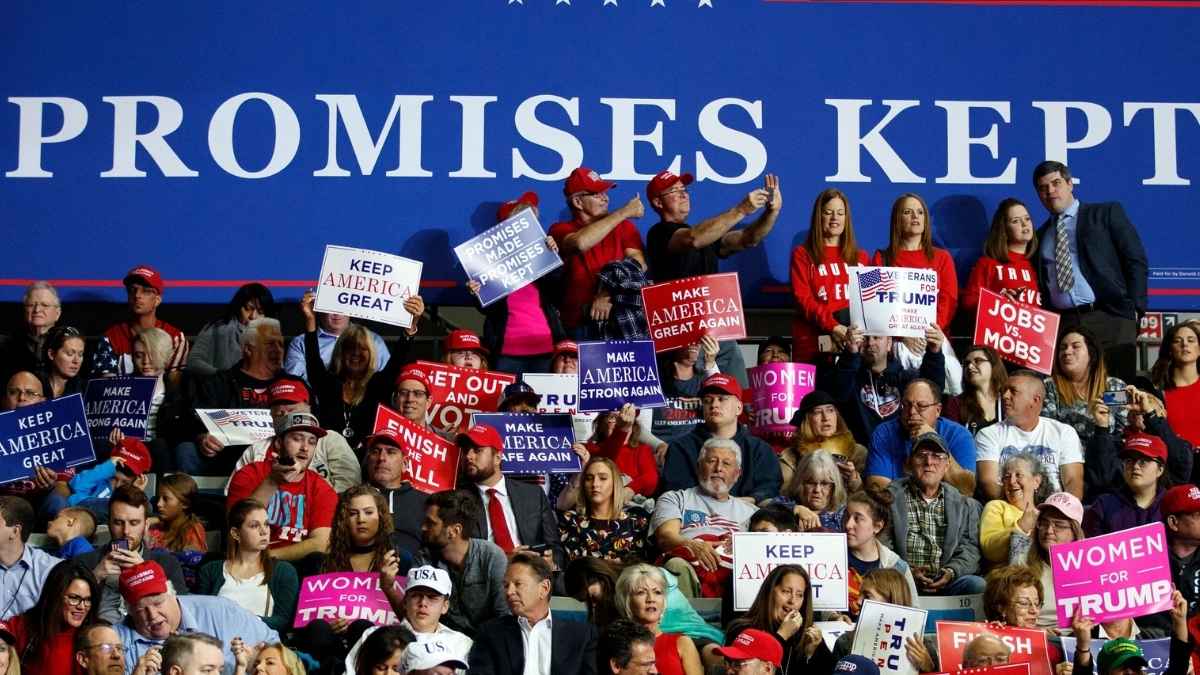
The break with normal practice is political as well as economic. Treasury chiefs have intervened abroad before, but rarely with so little apparent distance from the White House’s foreign-policy preferences. Mr Trump has professed personal admiration for Mr Milei and publicly linked support to the outcome of Argentina’s midterms, prompting accusations that the aid is conditional on partisan success. Critics on Capitol Hill and among Mr Trump’s own populist base ask why American taxpayers should fund a foreign rescue while many at home struggle. Farmers complain that agricultural trade has become awkward: China has shifted soybean purchases from American farmers to Argentina, and announcements of Argentine beef purchases have angered U.S. ranchers.
Defenders of the policy argue that the exposure is limited and that the strategic upside is real. Helping a friendly government complete difficult fiscal and structural reforms could yield a more stable, open economy in South America and blunt Chinese influence. The proposed private-sector financing, if completed, would also spread risk beyond U.S. public coffers. Yet the case rests on two fragile assumptions: that Milei’s party will retain enough political muscle to implement reforms, and that a brief infusion of dollars will stop a credibility spiral long enough for policy to take hold. Both are uncertain.
Risks run both ways. For Argentina, an electoral setback could force a sharp devaluation, hitting domestic wealth and making debt servicing harder. A protracted defence of an overvalued currency would drain reserves and keep interest rates punitive, stifling growth. For the United States, an eventual devaluation would create realised losses on peso positions and hand opponents a potent political attack line: that the administration used Treasury tools to favour a foreign, ideologically congenial government. That perception will complicate congressional backing for future international stabilisation operations.
The episode exposes a dilemma about the use of economic statecraft. The Treasury’s interventions are instruments of finance being applied to achieve geopolitical ends. That is not novel in itself: America has historically used financial power to shape outcomes abroad. What is new is the degree of directness, and the mixture of private-sector manoeuvring with public liquidity support arranged ahead of a sovereign electoral test. Such blends risk muddling objectives: are dollars being lent to restore solvency, to influence politics or to buy time for policy? The distinction matters for both markets and democratic norms.
If the aim is to preserve reform, a more credible path would combine temporary liquidity with a clear medium-term framework for exchange-rate policy. Economists suggest that, after the election, Argentina will probably need to let its currency float and adopt an explicit monetary rule to anchor inflation expectations. U.S. support could then be recast as a backstop for a managed adjustment rather than as a defence of an artificial peg. That would reduce the risk of losses for Washington and encourage investors to take a longer view.
History provides a final caution. Argentina has a long record of policy improvisation and political reversals. Foreign support can steady a ship for a night, but not fix its hull. The present American effort may spare Mr Milei an immediate collapse. It cannot on its own manufacture the social and political consensus needed to sustain austerity and structural change. In the end, confidence in Argentina’s money will be earned or lost at home, not in the Treasury’s vaults. ■