IMAGE: REUTERS
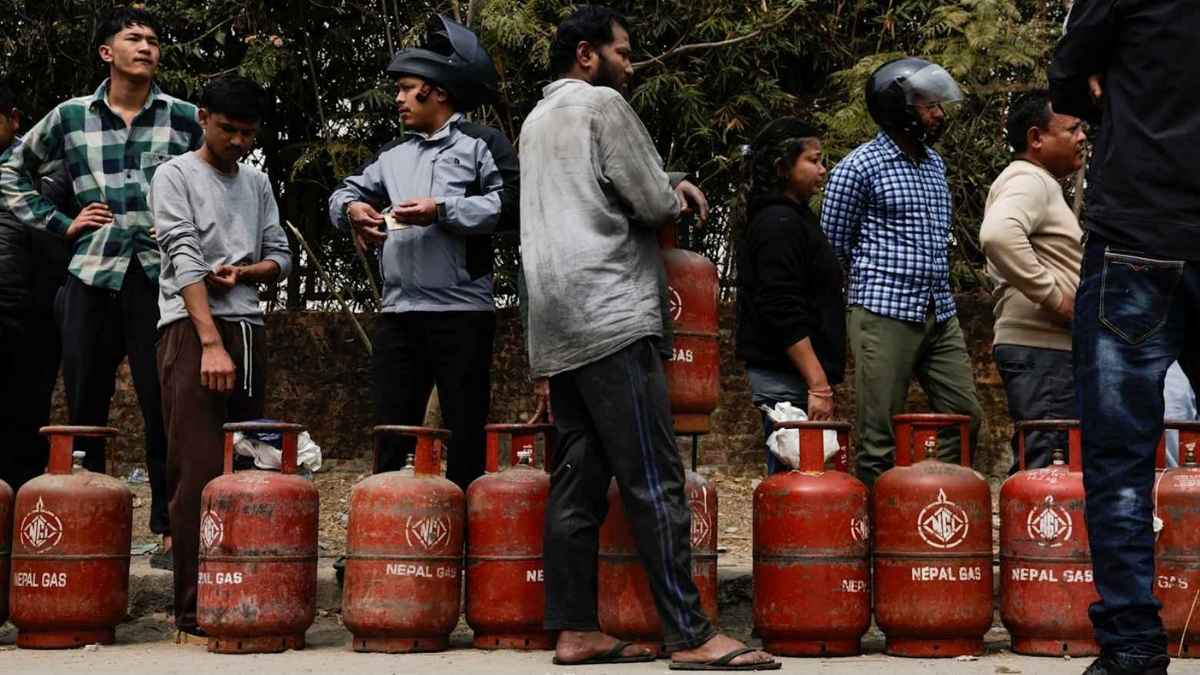
IN MOST countries low inflation is a blessing. In Nepal it reads like a warning. Consumer prices rose by just 1.7% in the first half of the fiscal year, the slowest pace in modern records. That achievement, however, is built on a collapse in food prices that followed an unusually favourable harvest. And it is about to reverse. The Middle East conflict that escalated on February 28th has sent crude oil up by 30% and has fed into Nepali petrol pumps and kitchen fires. The country’s moment of price stability is already looking like the lull before a storm.
That storm arrives just as Nepal was catching its breath. The previous shock came from within. In September 2025 youth-led anti-corruption protests forced the prime minister to resign and parliament to dissolve. The unrest, which the World Bank estimates cost 1.3% of GDP in lost output, shattered a fragile recovery. Growth in the first half of the fiscal year came in at 3.4%, exactly the same as a year earlier. Stagnation, not collapse, but hardly momentum. And that was before the troubles in the Middle East.
The second shock finds Nepal in better shape than its history would lead anyone to expect. Foreign-exchange reserves have swelled to a record $23bn. The banking system’s capital-adequacy ratio stands at 12.6%, above the regulatory floor. And for the first time in years, the country has a single-party majority government, formed after snap elections on March 5th, with a mandate to tackle structural reform. The problem is that these buffers, however impressive, are designed to absorb the sort of shocks Nepal knows: monsoons that fail and landslides that block highways. The Middle East conflict is a different beast entirely.
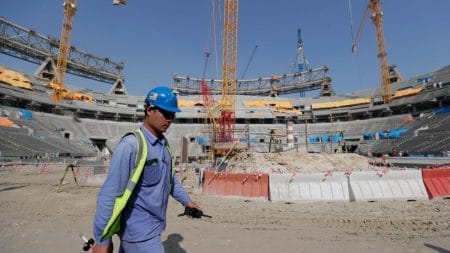
The exposure runs deep. Three-quarters of Nepali migrant workers are in the Middle East, and the Gulf states alone account for 37% of total remittance inflows. Those flows have been a miracle of modern economics: remittances worth 16.6% of GDP in the first half of the fiscal year, up from 12.5% a year earlier, even as the number of workers leaving the country fell by 10%. That paradox—fewer migrants, more money—is down to a shift towards higher-wage destinations and, crucially, a move from informal hundi networks to formal digital channels. But it also hides a dangerous concentration. Any sustained reduction in labour demand from Saudi Arabia, Qatar or the United Arab Emirates would hit the equivalent of one-third of the country’s foreign-exchange earnings.
The World Bank expects a temporary disruption, with growth slowing to 2.3% this fiscal year, down from 4.6% last year, before rebounding to 4.2% next year. That is plausible enough if the Strait of Hormuz reopens to normal traffic by mid-2026. But the downside scenario is nastier. Prolonged conflict would not only raise fuel bills and choke off the spring tourist season—Middle Eastern carriers handle a quarter of flights through Kathmandu’s airport—but also risk a reversal of the remittance boom. If Gulf employers shed foreign workers, the same households that have benefited from rising transfers would face an abrupt loss of income. Poverty rates, which the World Bank projects will fall modestly to 6.6% this year, would edge up instead.
The banking system offers little comfort. Gross non-performing loans have risen to 5.4% of the total, up from 4.9% a year ago. An asset-quality review of the ten largest commercial banks, completed in February by an international firm at the IMF’s request, has not been made public. That silence speaks volumes.
The central bank has responded with forbearance—allowing restructured loans to keep their old classifications, setting the countercyclical capital buffer to zero—but these measures buy time and not safety. Loan-loss provisions have jumped by a third, to Rs41bn. And despite record-low lending rates, private credit is barely growing. Non-financial business credit expanded by just 2.2% in the first half of the year, down from 5.5% a year earlier. The transmission mechanism from cheap money to productive investment has broken down.
What, then, is working? Hydropower. The sector grew by nearly 20% in the first half of the year, driven by the commissioning of 385 megawatts of new capacity. With 4,000 megawatts under construction and India having raised its approved import ceiling to 1,217 megawatts, electricity exports offer a rare source of demand-insulated growth.
The new government’s reform agenda, such as simplifying taxes, relaxing capital controls, accelerating infrastructure, could, if executed, turn that strength into a wider revival. But that is a big if.
Nepal’s chronic inability to spend its capital budget—just 12.1% executed in the first half of the year, followed by a 40% mid-year cut—suggests that administrative capacity, not political will, is the binding constraint. The country now spends more on servicing its domestic debt than on new capital investment, a gap that has widened from 0.2% of GDP to 2.2% in just four years.
The test of the coming months will be whether Nepal can convert its record reserves into a buffer that works; its low inflation into a platform for real monetary policy; and its hydropower boom into a model for the rest of the economy. On each count the evidence so far is mixed at best. The price of peace, it turns out, is eternal vigilance and a very large stockpile of foreign currency. ■