IMAGE: BIKRAM RAI
IN OCTOBER 2015 Nepal ran out of fuel. The country was still reeling from a devastating earthquake seven months earlier when India, which controls every major land route to Nepal’s southern border, restricted the movement of goods through its territory. Within weeks the effects were felt in every Nepali city: petrol queues stretching for hours, cooking gas unavailable for weeks, medical supplies running short in hospitals. India said it was acting for security reasons relating to protests in Nepal’s Terai region. Nepal’s government said it was an economic blockade. The specific argument about who was responsible has never been conclusively settled. The material reality was never in doubt: a landlocked country importing over 90% of its goods from a single neighbour possessed only as much economic sovereignty as that neighbour was willing to permit.
Balendra Shah was 25 years old when the blockade happened. He was already well-known online: a rapper who had been recording and releasing music in Kathmandu since his early twenties. He is now prime minister. And the budget his government presented on May 29th, along with the industrial policy architecture it sits inside, reflects a view of the world that 2015 made impossible to avoid: a country that makes nothing is, in a crisis, at the mercy of a country that makes everything.
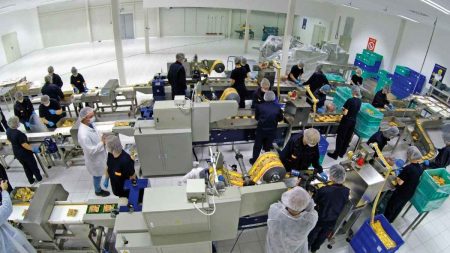
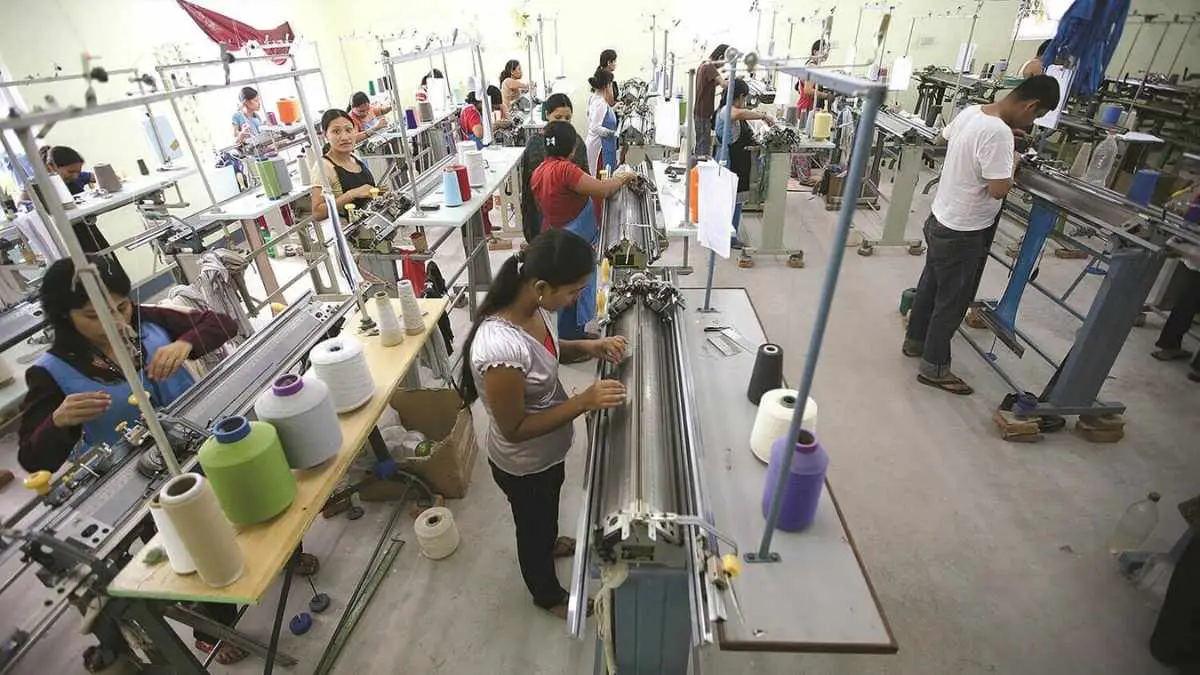
The evidence that Nepal makes less and less is not contested. The manufacturing sector’s contribution to Nepal’s economy has shrunk from nearly 10% of GDP three decades ago to below 6% today. The broader industrial sector fell from 14.1% of GDP in the fiscal year 2015-16 to 12.8% or so in 2024-25. Nepal’s Ministry of Industry (the ministry that is supposed to reverse that trajectory) received an allocation of Rs9.3bn in last year’s budget, equal to 0.5% of total government spending. A country that allocates half a percent of its budget to industry while declaring industrialisation a national priority has a priorities problem, not an aspirations problem. The Shah government’s budget for the coming year raised the industry allocation to Rs10.1bn. Better, but still 0.52% of the total. The ambition and the appropriation are not yet in the same conversation.
What the budget does do, in ways that the headline tax cuts obscure, is tilt the regulatory environment towards domestic production through the tariff structure. The decision to set customs duties on 273 categories of industrial raw materials at least one tier below the rates applied to the finished goods those materials produce is an explicit bet on domestic manufacturing: make it cheaper to import the ingredients than to import the finished product, and factories that process the ingredients become economically viable. This is the logic that built textile industries in Bangladesh, electronics industries in Vietnam and pharmaceutical industries in India over the past thirty years. It is also the logic that failed in many places where the factories being protected were never capable of competing once the protection was removed. Nepal’s government is betting it is in the first category. The bet is not unreasonable. It is not certain, either.
On May 13th (six weeks after taking office) Shah created a new Ministry of Science, Technology and Innovation and took personal charge of it (before handing it over to an independent member of parliament Mahabir Pun). A prime minister holding a sectoral portfolio is unusual. It signals that the digital and technology economy sits alongside manufacturing in his theory of national self-sufficiency. The RSP manifesto’s target of growing technology exports from the current estimated $1bn to $30bn over a decade is partly an economic forecast and partly the same sovereignty argument in digital clothes: a country that exports software and AI products is less dependent on its neighbours than one that exports only workers.
The decision to drop the Damak Industrial Park—the China-Nepal Friendship Industrial Park in Jhapa that was a flagship BRI project—from his election manifesto is the other side of the same coin. Shah did not drop it because he is hostile to investment; he dropped it because a factory built by Chinese contractors, operated under Chinese management frameworks and connected to Chinese supply chains is not, in the sovereignty logic he has inherited from 2015, a Nepali factory in any sense. It is a Chinese production facility on Nepali soil. The distinction matters for the same reason the blockade matters: control over the inputs of economic life is the practical content of sovereignty for a small landlocked state.
None of this is original as a theory. Import substitution industrialisation is the oldest playbook in development economics, tried by dozens of countries since the 1950s with results that range from transformative to catastrophic. What is specific to Nepal’s version of the argument is the lived experience that makes it politically necessary: the memory of October 2015, the fuel queues, the medical shortages, the explicit demonstration of how completely a landlocked country’s comfort depends on the goodwill of its neighbours. A Nepali politician who says factories are more important than immigration queues is telling voters that he remembers what happened last time the queues were for fuel, and not for passports.
Whether the factories materialise is a different question. The manufacturing sector has been shrinking for thirty years under governments that all said the same things about industrialisation. This government has a majority large enough to pass the legislation it needs and an economic team with the credentials to design the incentives correctly. What it is still building is the institutional infrastructure (the industrial parks, the skills system, the power supply) that turns a differential tariff into an actual factory. The budget has set the direction. The ground has not yet been broken. ■