IMAGE: SHUTTERSTOCK
START WITH an ugly ratio. China now accounts for some 30% of global manufacturing output but only 13% of global consumption, according to European Commission estimates. That surplus has to go somewhere. For two decades it went mostly into Chinese inventory, Chinese infrastructure and Chinese exports to a world happy enough to buy cheap solar panels, batteries and steel without asking too many questions about how they got so cheap. The questions are now being asked everywhere at once, and the answers are upending trade policy from Brussels to Washington to Hanoi.
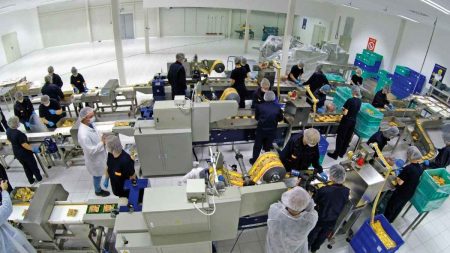
The scale of the imbalance inside China is the place to begin. Almost one in three Chinese manufacturers are currently loss-making, according to Capital Economics, a think tank, a sign that capacity has outrun demand by a wide margin even within China’s own borders.
The IMF estimates Beijing’s industrial subsidies at around 4.5% of GDP, layered on top of preferential loans, tax breaks and land concessions that have built an export machine far larger than the domestic market it was originally meant to serve. The result, particularly since 2015’s “Made in China 2025” programme and intensified again through the pandemic and the first Trump-era trade war, is fixed-asset investment that has grown much faster than household spending. China’s “anti-involution” campaign, Beijing’s own internal term for the resulting cutthroat domestic competition, is an attempt to manage the symptom. It has made little progress against the underlying cause, which research group MERICS attributes to structurally high savings and investment rates that show few signs of unwinding.
The United States shut its door first and most decisively. Chinese exports to America fell by roughly four percentage points as a share of China’s total exports in the past year, as tariffs imposed during the second Trump administration bit harder than in the 2018 round. What is different this time is how little of that decline has been recovered through rerouting via third countries. In the first trade war, perhaps a third of the diverted exports eventually reached America anyway, repackaged through Mexico or Southeast Asia. This time Capital Economics estimates only around one-eighth of the shortfall has been offset that way, partly because countries that served as staging posts before are now wary of the tariff exposure that comes with being caught doing it again.
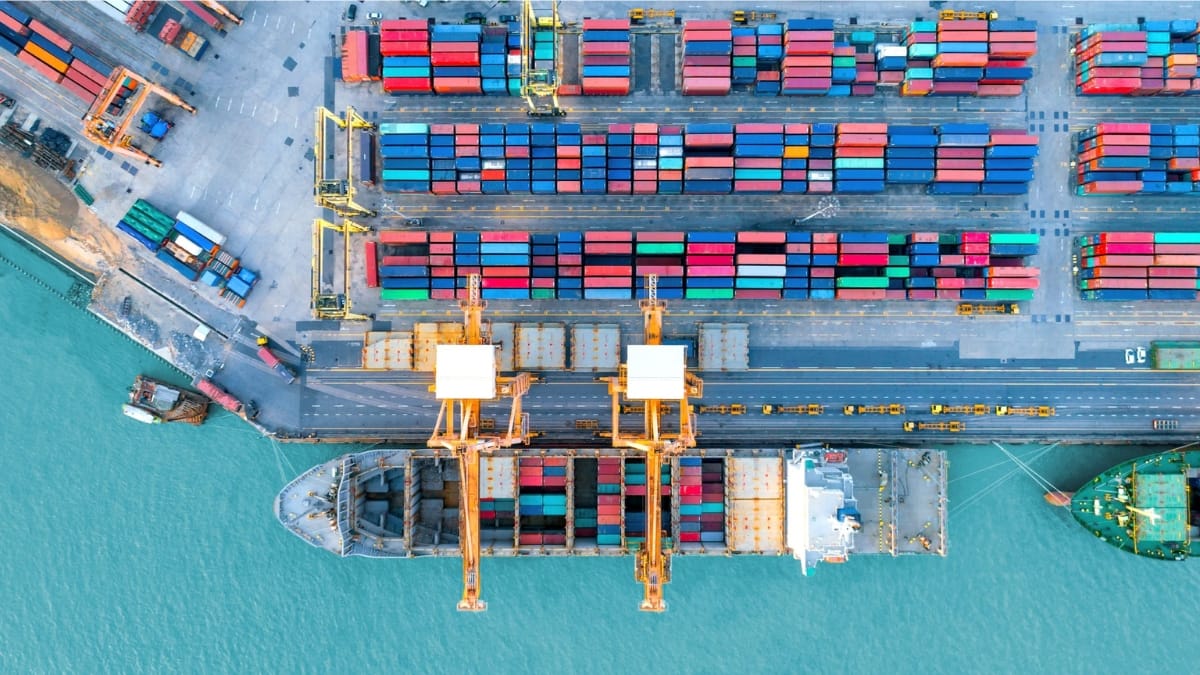
Blocked in America, the exports have gone to Europe instead. China’s trade surplus with the EU reached €359.9bn across 2025 and is widening further: in the first four months of 2026 alone, the surplus hit $113bn, up from $91bn over the same period the previous year. Chinese chemical imports into Europe have surged 81% in five years. The European Commission’s own projection is that global steel overcapacity could reach 721m tonnes by 2027, nearly five times the EU’s total annual steel consumption.
Brussels’ response has moved from piecemeal to structural. Countervailing tariffs on Chinese electric vehicles, introduced in 2024 at rates up to 35% for SAIC and 17% for BYD, slowed Chinese market penetration only modestly. From July 2026 the EU will cut its tariff-free steel import quota by 47% and double out-of-quota duties to 50%, while introducing “melt and pour” rules specifically to stop Chinese steel re-entering Europe disguised as output from third countries.
The bigger move under discussion is an “overcapacity instrument”, a sector-by-sector restriction tool that officials privately describe as Europe’s answer to Section 301 of the US Trade Act, alongside proposals to force European companies to source critical components from at least three different suppliers rather than risk overdependence on any one country.
China has not absorbed any of this quietly. Beijing has threatened “resolute countermeasures” against the overcapacity instrument and has already tightened export controls on rare earths and battery materials that European industry depends on, a vulnerability European Commission President Ursula von der Leyen has acknowledged limits how hard Brussels can push without hurting its own manufacturers first.
The EU is also divided against itself: Germany resisted the 2024 EV tariffs to protect its carmakers’ China exposure, and Spain’s prime minister, who has visited Beijing four times in three years, continues to court Chinese investment that smaller, capital-hungry member states are reluctant to forfeit.
France has emerged as the loudest voice for confrontation. President Emmanuel Macron, after his own trip to Beijing in December, warned that Europe might eventually need to “decouple” from China in strategic sectors, and has pushed to put currency misalignment back on the G7’s agenda, citing French Treasury estimates that the renminbi remains undervalued by around 20%. That argument has not yet gathered enough European support to move from rhetoric to renminbi policy, which leaves every trade ministry now drafting its response to the same unresolved question: who absorbs a glut that China built for itself. ■