IMAGE: UNICEF NEPAL/NSHRESTHA
POPULATION GROWTH in Nepal has hit a wall that few in the newly formed Shah administration seem prepared to scale. Whereas the streets of Kathmandu teem with young people, the statistical reality is far grimmer.
The total fertility rate has slipped to 1.91, falling well below the replacement level of 2.1 needed to keep the population stable. For a country with a per capita income still trailing its South Asian neighbours, the demographic clock is ticking with brutal speed. The window to use a youthful workforce to build a modern economy is closing. Unless the government can pivot from a consumption model built on the backs of migrants to one built on productivity, the nation will find itself graying before it has filled its coffers.
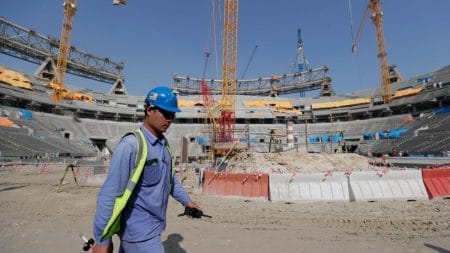
Success in reducing extreme poverty provides a deceptive sense of progress. Figures from 2023 show that only 3% of the population lives in absolute penury, a fall largely funded by the billions of dollars sent home by labourers in the Gulf and Malaysia. This reliance on remittances has created a hollowed-out domestic economy. The employment ratio fell between 2000 and 2022 as the most capable workers fled for better wages abroad. That success has created a new problem: a domestic labour market that lacks the muscle to fuel home-grown industry.
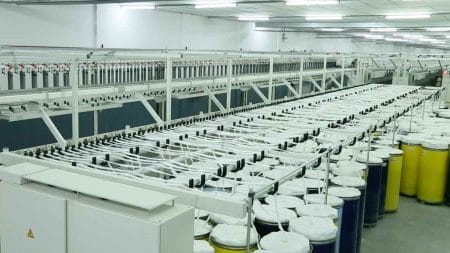
The World Bank’s recent analysis suggests a three-stage path to avoid this stagnation, which officials in Kathmandu call the 3i strategy. The first stage, investment, is the easiest to achieve. Nepal has poured concrete into hydro-electric dams and roads for decades. Yet total factor productivity—the efficiency with which an economy uses its inputs—has effectively vanished since 2014. Building things is useless if the firms using them stay stuck in the past.
This leads to the second stage: infusion. The Shah administration wants to bring in global business processes and digital tools to modernise local firms. Today almost every formal business has an internet connection; yet they refrain from using it for anything beyond basic emails. The Digital Nepal Framework 2.0 seeks to fix this by creating 500,000 IT jobs, hoping to keep talent within the borders. But technology infusion is anything but automatic. It calls for a level of managerial skill that is currently in shortage.
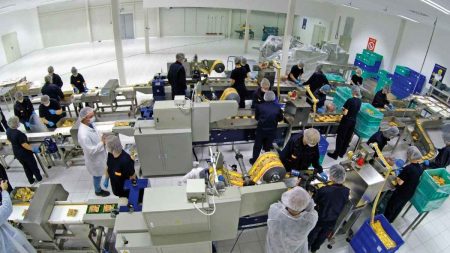
Innovation, the final stage, is the hardest. It asks a country to move from copying others to creating its own solutions. Nepal possesses $90bn in hydro-electric potential yet 85% of its energy consumption still comes from traditional sources like wood and dung. A massive transmission bottleneck means that while power is generated in the mountains, it fails to reach the factories in the plains. Breaking the cycle calls for a shift in focus from exporting cheap raw power to using that energy to fuel high-value domestic manufacturing.
The stakes are seen in the population pyramid. By 2060 the number of people aged over 65 will reach 5.6m. Without a robust tax base from a high-income economy, the cost of supporting these elderly citizens will bankrupt the state. A contribution-based social security system is now being made mandatory, but such schemes fail when the ratio of workers to retirees collapses. The current youthquake is a fleeting windfall, a high-interest loan from the future that must be repaid with interest.
The Shah government must now discipline the incumbents—the business dynasties that have controlled the economy for decades—to allow smaller and innovative firms to compete. This means using MRI-style diagnostics to identify where market power is being abused. Meritocracy in the civil service must replace seniority if the state is to handle the complex transition from a low-income to a middle-income economy. If these changes fail to take root by 2030, Nepal will become an aged nation with a middle-income wallet, a fate that is as avoidable as it is looming.
Mastering the transition from a remittance-led economy to one driven by innovation is the only way to beat the clock. The alternative is a permanent state of stagnation, where the only growth is in the number of pension claims. As one official in the finance ministry puts it, the country is currently running a race against its own biology. In this marathon the prize for second place is a decade of decline. ■