IMAGE: SHUTTERSTOCK
CONSIDER A country where the top 50 taxpayers deliver some 46% of all revenue. Where the shadow economy swallows half of output. Where tax collectors chase the same compliant firms year after year while millions of businesses operate entirely unseen. This is not some failed state. It is Nepal, whose tax system has become a masterclass in how to punish formality and reward evasion.
The headline numbers look reasonable. A 25% corporate rate (30% for banks, telecoms and insurers). A 13% value-added tax. Concessions for manufacturing, agriculture and, recently, information-technology firms. These figures compare decently with South Asian neighbours. India’s new corporate regime runs to 22%. Bangladesh’s tops out at 27.5%. Sri Lanka’s stands at 30%. In theory Nepal competes.
But that is where the logic stops. The effective burden on formal businesses is painfully heavy. A typical Kathmandu small-to-medium enterprise with 20 employees spends around Rs600,000 a year just on compliance, from external tax fees and internal paperwork to the occasional penalty. That sum surpasses the annual income of many Nepalis. It is a fixed cost that falls hardest on the very firms the government claims to want more of. No wonder the informal sector accounts for 51% of GDP, according to EY’s 2025 Shadow Economy Report. That is more than double India’s estimated level and three times Vietnam’s.
The upshot is a tax system that works the opposite of what you would expect. High statutory rates on a tiny base. Generous exemptions for politically favoured industries. Weak enforcement punctuated by arbitrary scrutiny. The banks, the most transparent sector, pay 30% and complain, with justice, that they are penalised for their own honesty. The top 50 taxpayers—mostly financial institutions, telecoms and large trading houses—carry a fiscal burden that should be spread across millions. When a single large bank contributes more than a billion rupees in taxes (Nabil Bank, for instance, reported paying Rs11 billion over five years), the system has stopped taxing economic activity and started taxing a small list of convenient targets.
That arrangement creates perverse incentives everywhere. The VAT registration threshold of Rs5m for goods and Rs3m for services (raised from 2m in the 2025-26 budget) acts as a ceiling and not a floor. Small businesses deliberately stay below it. Some split operations into smaller units. An unknown number of VAT-registered firms have vanished from the rolls—though the often-cited figure of 100,000 is unverified by official sources, the phenomenon of abandonment is real. The progressive personal income tax, which reaches 39% above Rs5m, encourages business owners to disperse income across family members and entities. The 5% dividend withholding tax, low by global standards, does little to stimulate equity investment when corporate governance is weak and market depth is shallower than a mountain stream.
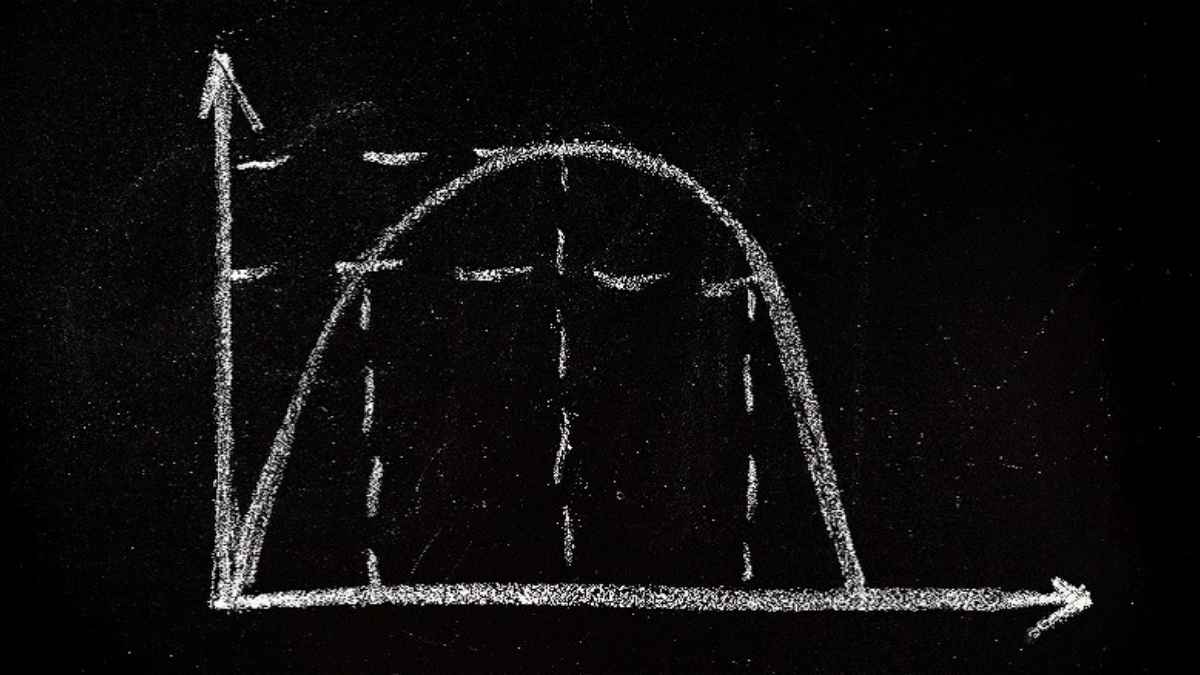
None of this would surprise Arthur Laffer, an economist. The curve that bears his name describes a simple relationship: at very low rates revenue falls; as rates rise revenue increases, up to a point; beyond that point higher rates reduce revenue by discouraging work, investment and, crucially, compliance. Nepal sits on the wrong side of that peak. The effective marginal rate on formal activity, once compliance costs are added, exceeds the level that maximises voluntary tax payment. The rational response for a small trader or a medium-sized manufacturer is to minimise formal footprint. Stay small. Stay cash. Stay off the radar.
Behavioural economics reinforces the point. Tax morale—the intrinsic willingness to pay—collapses when taxpayers perceive the system as unfair. In Nepal perceptions are not wrong. As one private sector representative put it, “we pay taxes that should not have been paid by mistake, there is no mechanism to return it.” That asymmetry between taxpayer and government poisons the social contract. Why comply when the state can take your money and never give it back, even when it admits the error?
The government knows the diagnosis. Its Domestic Revenue Mobilisation Strategy for 2024-25 to 2028-29 targets a rise in the tax-to-GDP ratio from 16.2% to 20.9%. The Finance Act of 2025 introduced a five-year full tax holiday for startups with turnover up to Rs100m, up from Rs10m previously. It removed the concept of Digital Permanent Establishment, which had threatened to impose a taxable presence on foreign tech firms. It expanded e-filing and promised to “free honest entrepreneurs from unnecessary hassles”.
Yet these reforms nibble at the edges. The budget for 2025-26 contained no concrete plan to formalise the informal economy. The VAT threshold stayed put except for the service increase to Rs3m. The corporate rate remained unchanged, because, as one official at the finance ministry said, political constraints ruled out rate reform. The High-Level Economic Reform Commission’s report, which noted that 40% of the economy operates outside tax purview, saw its recommendations largely ignored. The top 50 taxpayers still deliver nearly half of all revenue, a concentration that creates fiscal vulnerability and political leverage for a handful of firms.
The regional comparison is brutal. Vietnam, with a 20% corporate rate and a shadow economy of 15-20% of GDP, collects taxes more efficiently and attracts investment that Nepal cannot touch. Vietnam offers generous incentives, too—typically four years of tax exemption followed by nine years of 50% reduction for qualifying projects—backed by reliable power, ports as well as policy stability. Nepal offers five years in special economic zones, followed by a return to the same unpredictable enforcement and discretionary interpretations that drove firms informal in the first place. The loss carryforward of seven years is adequate but compares poorly to jurisdictions with unlimited provisions. The definition of a “startup” remains at the discretion of the Inland Revenue Department, a recipe for the very uncertainty that kills risk-taking.
The solution may seem counterintuitive to finance ministers who see rate cuts as revenue loss. But the Laffer curve is not a theory: it is an observation of how human beings respond to the price of formality. Nepal has set that price too high. The only way to raise more revenue is to lower it. ■