IMAGE VIA IRRI
THE RICE CROP failed. Not catastrophically but enough to matter. Drought gripped Madhesh during the June and July transplantation season, one of the provinces that grows the most paddy. Then the October harvest drowned. Output fell by 4.2 per cent to 5.71 million tons, the first decline in four years. The fields yielded less per hectare than they had in a decade. Farmers were already leaving for jobs abroad, and those who stayed had less help. Agricultural growth slowed to 1.6 per cent, down from 3.0 per cent a year earlier. That alone knocked more than half a percentage point off the national growth rate.
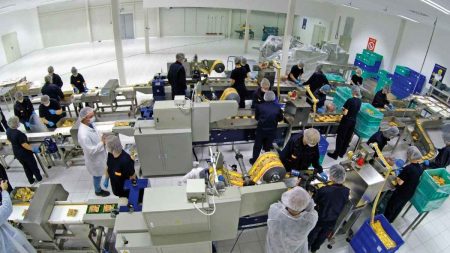
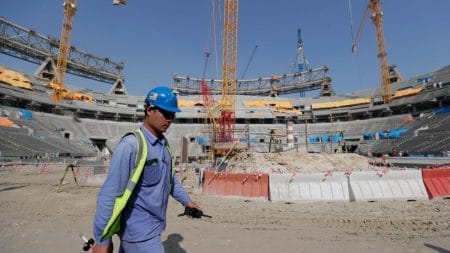
The rest of the economy did not collapse. Real GDP grew by 3.9 per cent last fiscal year, reckons the World Bank, down from 4.4 per cent the year before, but the headline belies. Industry accelerated to 5.7 per cent. Hydropower did the heavy lifting. Nearly 516 megawatts of new capacity came online, with independent producers building most of it, selling to India and Bangladesh. Construction grew at twice its previous rate, fed by dam projects. Manufacturing edged up, though textiles remained sluggish; non-hydropower investors sat on their hands after the September 2025 unrest, when mobs damaged large businesses. Edible oil production for re-export to India kept the factories busy, but the wait-and-see mood was hard to miss.
Services grew by 4.2 per cent, slightly slower than before. Insurance was the star: premiums rose by double digits in both life and non-life segments, as hydropower builders bought property and liability cover. Transportation and hotels did less well. Fuel prices climbed, bus fares followed and tourists spent less each day even as more of them arrived. The Middle East conflict pushed up oil prices, and Nepal’s hotels paid more for imported food and energy. A bird flu outbreak raised the price of chicken and eggs. Fruit became dearer after India restricted banana imports and erratic weather hurt domestic orchards.
The money that kept the lights on and the shops busy came from abroad. Remittances reached a record 35.8 per cent of GDP, up eight percentage points in a year. The current account surplus widened to 14 per cent of GDP. Foreign exchange reserves covered nearly 20 months of imports, more than double what the central bank requires. Fewer Nepalis went abroad to work, though. Migration to the Middle East fell by nearly 40 per cent, as Saudi Arabia and the UAE tightened visa rules and Nepal briefly suspended approvals after tensions escalated. Workers turned to Europe instead, where wages are higher. Migration to Malaysia rebounded sixfold after recruitment resumed. The Nepali rupee weakened against the dollar, following the Indian rupee, which made remittances worth more at home. Digital wallets and mobile banking brought more of the money through formal channels, reducing the old informal hundi networks. Public investment, however, slumped to a six-year low as the political transition after the unrest delayed capital spending. The government could not build, so households spent what their relatives sent.
Exports grew modestly, helped by electricity sales and soybean oil. Nepal buys crude oil from Argentina, refines it and sells it to India duty-free under SAFTA. That trade reached 2 per cent of GDP and accounted for over 40 per cent of merchandise exports. It is a neat trick, but a fragile one. India charges outside countries 35.75 per cent on refined soybean oil, and Nepali exporters are exploiting the gap. The Nepal Trade Integration Strategy was meant to diversify exports beyond such arbitrage. It has not worked. Exports of the products it targeted stayed flat at 1.3 per cent of GDP, in part because India slapped duties on iron and steel. Coordination between ministries remains poor and policies shift with the political weather.
Imports rose, as they tend to do when remittances flow. Consumption goods, capital goods for hydropower, petroleum products, crude edible oil: all came in larger volumes. The trade deficit widened, but the current account stayed in surplus because the money sent home outweighed the money sent out. The real effective exchange rate depreciated by 4.3 per cent, reflecting higher inflation than in trading partners, though the gap with India has narrowed as both countries have brought prices under control. India accounts for 60 per cent of Nepal’s merchandise trade, and workers cross the border freely, so wages and prices move together more than the aggregate figures suggest.
The year ahead depends on whether the rice harvest recovers and whether the hydropower boom continues. The construction of dams has been a rare bright spot, drawing insurance premiums, capital goods imports and electricity exports. But it will not last forever. Remittances have become the economy’s main engine, financing consumption and plugging the trade gap. That is a cozy position for now, and a precarious one for later. The fields, after all, will not wait. ■