IMAGE VIA SETOPATI
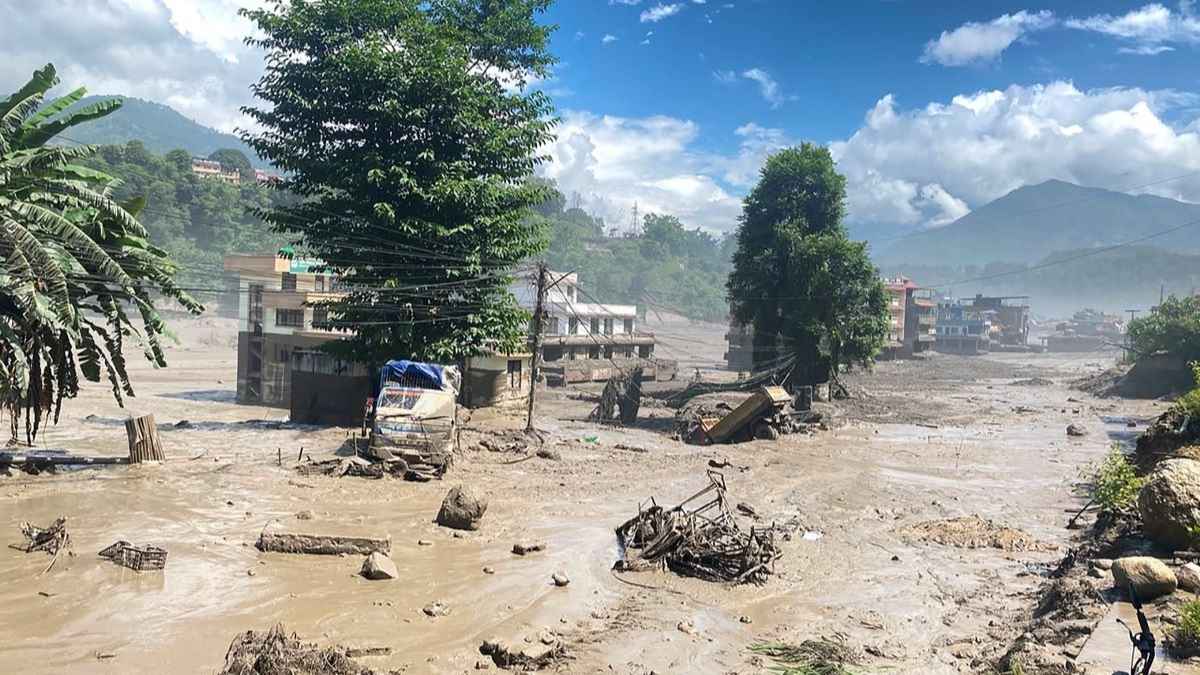
DEEP INSIDE a mountain in Rasuwa district, the powerhouse of the Rasuwagadhi hydropower plant spent most of a year in ruins. A flood on the Bhotekoshi river on July 8th 2025 tore through the headworks, where water is diverted into the plant, and wrecked the underground hall that holds the turbines. Generation stopped. A third of capacity, 37MW, came back in December. The full 111MW was reconnected to the national grid in early July 2026, after repairs costing more than Rs 3.5bn ($26m). A few weeks later, in August, another flood struck Nepal.
The World Bank points to Rasuwagadhi as an illustration of what such damage costs in time and money. The new flood hit hydropower and solar plants, some producing electricity and some still being built, as well as the transmission lines that carry it and the roads that carry everything else. The Bank expects growth to slow to 3.7% in the fiscal year that began in July, down from an estimated 3.9% last year, and to recover to 5.2% the year after. The recovery depends on spending that has yet to happen. Public money for reconstruction should start to flow this year, but the bulk of it is not expected until the next.
Industry feels the blow most sharply. Factories need power and roads, and the flood took both. Builders of hydropower plants in areas that escaped will probably carry on, though they may find insurers charging more, lenders asking fresh questions and costs creeping up.
Private construction outside hydropower was weak already. Many buildings in Nepal are insured only in part or not at all, so owners who lost walls and roofs often have little to pay for new ones.
Services suffer along the same broken roads. Damaged border corridors slow the trade that crosses them. Hotels, restaurants and the trails used by trekkers and pilgrims have been hurt in the worst-affected areas. Tourists may avoid places the water never reached, since news of a flood travels further than the flood itself. Banks and insurers must cope with closed businesses and a long stretch of poor trade.
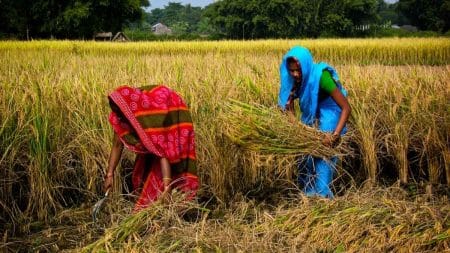
Farmers, oddly, have had a better year. A good monsoon pushed paddy planting to 98% of the target area last fiscal year, up from 96.1% a year earlier, with Madhesh making the largest gain. The flood nonetheless took about 7,685 tonnes of paddy and vegetables and 252,444 head of livestock. Because the losses fall on a few districts, the national harvest will scarcely notice. The families who lost their crops and animals will notice a great deal. The Bank expects the share of Nepalis living on less than $8.30 a day to fall to 40.7% by 2028, from 44.8% two years ago, but it concedes that such averages hide places where fields, workshops and access to markets have been set back.
Prices may also rise in those places. Lost crops and cut roads tend to make food dearer and poorer households feel that first. Inflation is forecast to climb to 5.3% this year, close to the central bank’s medium-term target of around 5%, before easing a little. A decent paddy crop, cheaper commodities worldwide and calmer prices in India should keep it from running further.
Rebuilding changes what Nepal buys from abroad. The country has lately run a large current-account surplus, meaning it earns more from the world than it spends there. This year that surplus narrows because Nepal sells less: some 60MW of hydropower capacity that supplied electricity for export was damaged, and nervous tourists spend less.
Foreign reinsurers, which back Nepal’s insurers, will pay claims, and that counts as an export of insurance services. Sales of IT services, helped by changes in the last budget, continue to grow. Next year the surplus narrows for the opposite reason. Cement, steel, machinery and equipment for rebuilding will pour in, even as tourists return and repaired power plants sell electricity abroad again. Foreign-exchange reserves are still expected to stay comfortably above the minimum that regulators require, helped by steady remittances from Nepalis working overseas.
The government feels the strain first. It must pay for relief and for the first repairs to roads, bridges and power lines while collecting less tax, having granted relief to the affected, with imports sluggish and business disrupted. The deficit is projected to jump from 1.7% of GDP to 3.9% this year and to stay near that level in the next. Public debt would rise to 47.9% of GDP by 2028. The Bank assumes that Nepal will borrow within the domestic ceiling set by its natural resources and fiscal commission and within the external limit in its public debt law, and on that basis it still rates the risk of debt distress as low. Once rebuilding fills the ports with imported materials, customs receipts should rise and ease the burden.
The Bank describes the risks as tilted to the downside. A long conflict in the Middle East could cut tourist arrivals and remittances. Shortages of fertiliser would raise farmers’ costs, and shortages of fuel would hold back investment. At home, slow relief and repair would prolong the damage to roads, power plants and business, and the many uninsured assets would send more of the bill to the state. Banks are fragile, and a further rise in bad loans would choke credit to firms. Nepal’s place on the grey list of the Financial Action Task Force, an international watchdog on money laundering, makes sending money across borders costlier and riskier. Better news could come from politics: a steadier government and progress on reforms might coax investors back and speed the rebuilding. Rasuwagadhi took a year to mend and it was one plant. The forecasts give the whole country two. ■