There is a moment in Éric Rohmer’s Claire’s Knee (1970) when the protagonist, a diplomat on summer holiday, becomes fixated on the curve of a young woman’s knee. It is not lust that drives him, but something more elusive: the aesthetic of “real yet undefined desire” itself. The film, like so many of Rohmer’s, is a study in yearning. Not for grand passions, but for the unspoken possibilities of life. Watching it, you begin to wonder: do I want her, or do I want to be the kind of person who notices such things?
That is the quiet power of movies. It does not merely entertain. It imprints upon us visions of life so vivid they become aspirational blueprints. The clothes we wear, the way we love, the homes we dream of. So much of what we desire is borrowed from a screen, whether you realize it or not. From the sun-drenched languor of Call Me by Your Name (2017) to the recklessness of Scarface (1983), films present us alternate selves, versions of existence more intoxicating than our own.
French cinema, particularly the works of the New Wave, excels at that seduction. Rohmer’s films—My Night at Maud’s (1969), Autumn Tale (1998)—are masterclasses in restraint. His characters do not chase dramatic climaxes. Rather, they meander through conversations about philosophy and love, as though life’s meaning could be uncovered in the cadence of a sentence. Watching them, you are tempted by a different existence: one where time moves slowly, where desire is intellectualized, where a glance across a café table carries the weight of a soliloquy.
With equal power, Jean-Luc Godard’s Pierrot le Fou (1965) rewires your sense of what life could look like. Ferdinand (a disillusioned former television executive bored with his life) and Marianne (a free-spirited, mysterious woman) incinerate their lives, trading the emptiness of bourgeois existence for a riot of primary colors, stolen cars and poetry scrawled in gunpowder. The movie makes you wonder if your routines are a form of imprisonment. Its chaotic freedom seeps into you, making the ordinary feel intolerably scripted. The world seems too tidy, too coherent after seeing it.
Whereas French movies explore emotional and intellectual tension, American classics embrace grand ambition. The Westerns of John Ford—The Searchers (1956), Stagecoach (1939)—depict a world of rugged individualism, where men define themselves against the vast, indifferent frontier. There is a reason they endure: they speak to a primal fantasy of self-reliance, of being unbound by society’s constraints. Even now, the silhouette of a cowboy against a blood-orange sunset evokes something deeper than nostalgia: it stirs the part of us that craves solitude, freedom, the open road.
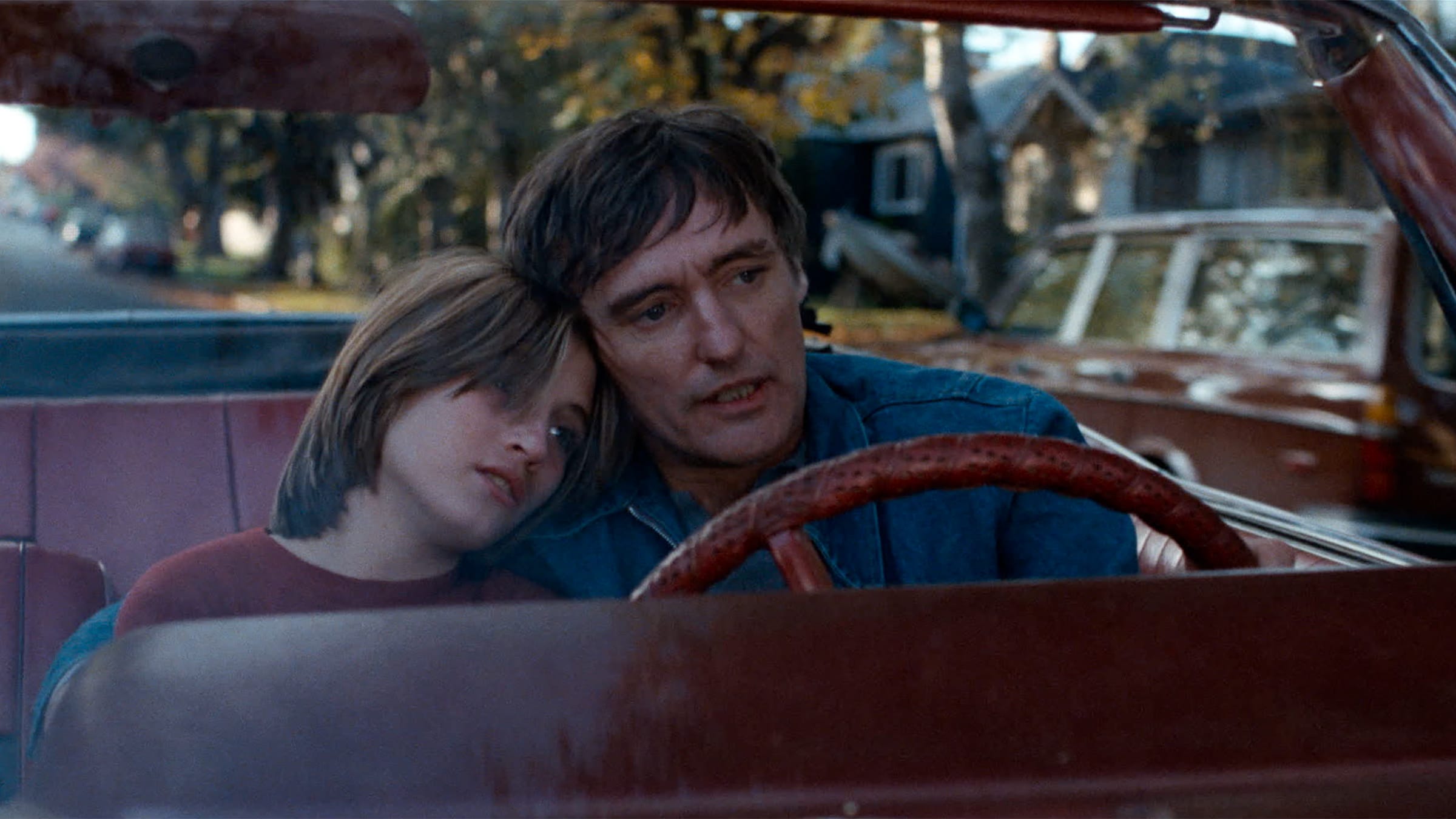
Dennis Hopper’s Easy Rider (1969) turns a motorcycle odyssey into a mythic quest. Every highway, every desert sunrise, drenched in the restless freedom of the open road. The film’s raw, improvisational energy does not distance us. Rather, it makes rebellion feel sacred, man. Yet its ending—abrupt, violent—leaves a bruise: the promises hollower, as though freedom were always just out of frame.
Then there are the urban legends of Scorsese and Coppola. The Godfather (1972) is not only a crime saga. It is a meditation on power, family and the cost of ambition. Michael Corleone’s descent into ruthlessness is tragic; yet perversely magnetic. How many young men have walked out of that film half-wishing they, too, could command a room with a single glance? Even The Wolf of Wall Street (2013), for all its grotesque excess, seduces with its velocity, its unapologetic hunger. You may condemn Jordan Belfort’s morals, but part of us thrills at the sheer audacity of his life.
Movies shape who we want to be, and tell us where we belong. The sprawling wheat fields of Days of Heaven (1978) transform rural America into a Terrence Malick psalm, all golden light and whispered voiceovers. And who, after watching The Talented Mr. Ripley (1999), does not ache for the sun-bleached villas of coastal Italy, where the air smells of salt and betrayal?
These places exist in reality, of course. But they are mythologized onscreen, rendered more potent, more possible than they have any right to be. You may want to visit them, but you also want to inhabit them, to live inside their frames, to become the kind of person who belongs there.
Escape from the mundane
Perhaps this is movies’ greatest gift: that it provides an escape from daily life. For two hours, you can trade your office desk for the smoky jazz clubs of Round Midnight (1986), your commute for the transcontinental train ride of Before Sunrise (1995). Even the melancholy of Cinema Paradiso (1988)—with its bittersweet ode to lost love and flickering projectors—feels richer, more meaningful, than our own unresolved heartbreaks.
In the end, cinema is more than entertainment. It is a curator of identity, a silent architect of our desires. As Ralph Lauren says, we borrow from what we see—not only the clothes, the settings, but the very essence of how one moves through the world.
The next time you find yourself aching for something you can’t quite name, pause and ask: which film planted that longing? The answer might surprise you. Because the life you yearn for—the one that feels just out of reach—may have started long ago, with a movie that quietly suggested: this could be you.