Image: The New York Times
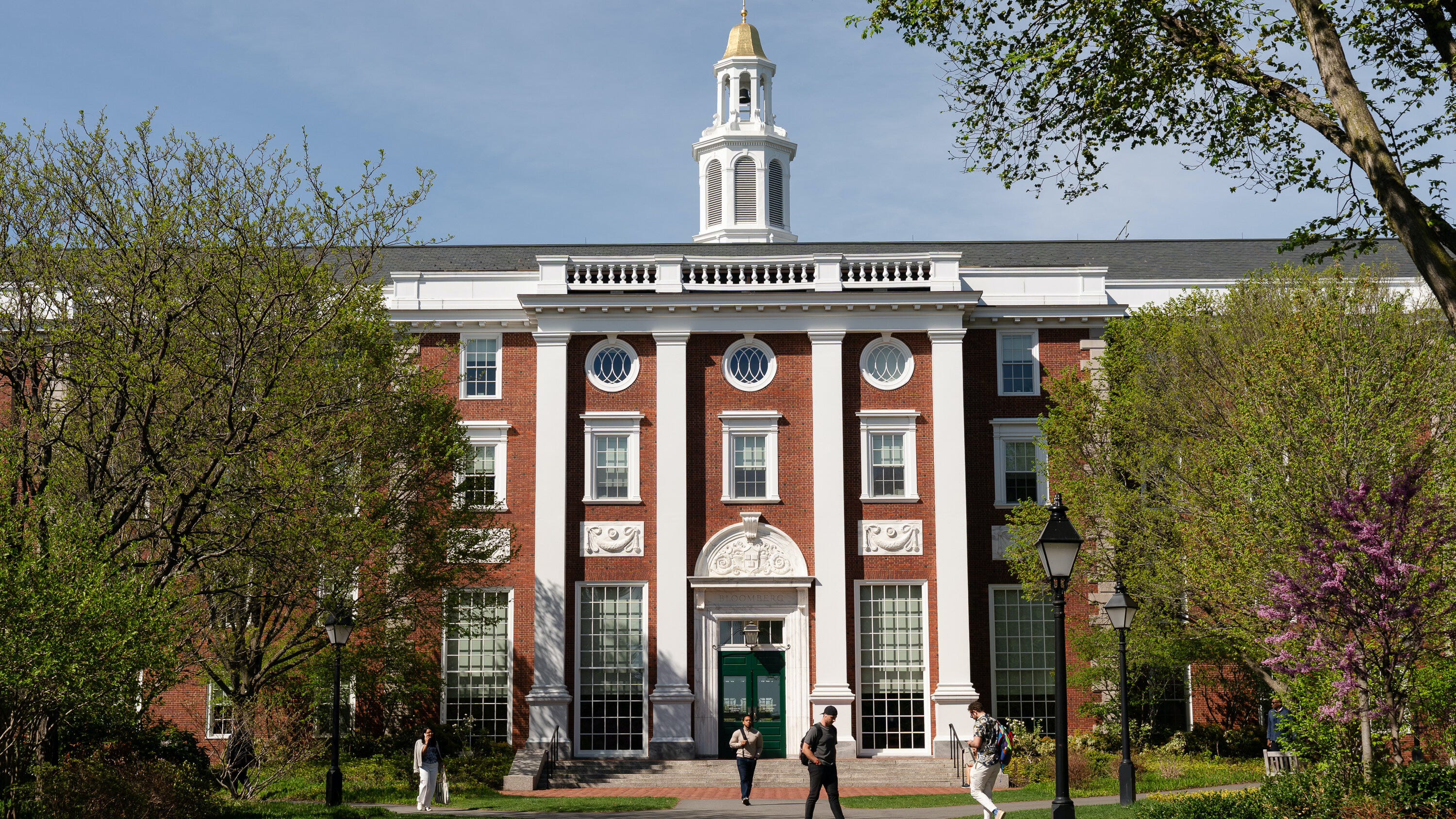
A superpower that discourages smart foreigners from sticking around is like a factory that tosses out its best tools. Yet that, in effect, is what the United States is doing. On May 22nd the Trump administration abruptly barred Harvard University from enrolling new foreign students. A court intervened the next day. But then came another bureaucratic blow: on May 27th the State Department suspended all new visa interviews for international students, citing a review of social-media screening procedures. The pause, officials say, is temporary. The perception abroad may not be.
For decades America’s universities have been a magnet for global talent. Now they risk becoming a case study in self-sabotage. Foreigners make up nearly 6% of students in American higher education, which has doubled over the previous two decades. In elite institutions their presence is more pronounced. At the dozen so-called “Ivy-plus” universities—including the Ivy League, MIT and Stanford—they account for 28% of enrolment. At Harvard, one of the main targets of recent political ire, they make up nearly a third.
That presence is not evenly spread. Public universities, which lack the mighty endowments of their private counterparts, have grown increasingly dependent on the higher fees that foreign students pay. These institutions now face a double risk: a fall in headcount and a fiscal squeeze. With international interest waning a reckoning looms.
According to Studyportals, an international directory for higher education, American programmes have seen a sharp tumble in attention. Since January interest from India—America’s second-largest source of foreign students—has fallen by 40%. Overall global clicks on U.S. courses are at their lowest since the depths of the covid-19 pandemic. By contrast, interest in British and Canadian universities is holding up or even rising. The “brain drain” may now run in reverse.
The economic cost is not trivial. In the 2023–24 academic year international students added $43.8bn (nearly the size of Nepal’s economy) to the American economy, largely concentrated in blue states. They help fund universities, but also spend on housing, healthcare and burritos. Yet the deeper damage will be to America’s intellectual ecosystem. Around three-quarters of international PhD students want to stay after graduating. Many do. Their contributions ripple through research labs, startup incubators and boardrooms.
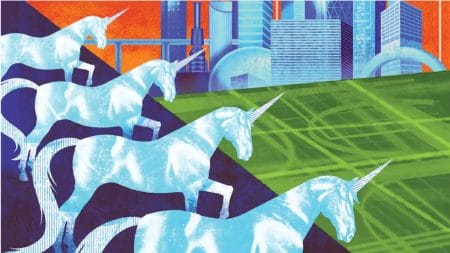
Indeed some of America’s most dynamic firms owe their genesis to such students. Elon Musk arrived from South Africa to study physics. The Collison brothers moved from Ireland to attend MIT and Harvard before launching Stripe. Satya Nadella (Microsoft), Sundar Pichai (Google) and Jensen Huang (Nvidia) also came as students. The National Foundation for American Policy finds more than half of the country’s unicorns—startups valued at $1bn or more—had at least one immigrant founder. A quarter had a founder who came as a student.
Blocking the pipeline will not only punish elite universities. It will chip away at the country’s long-term edge in science and innovation. China is pouring resources into its own institutions. Europe, though slower to adapt, is more welcoming. Even Canada has crafted immigration pathways that steer foreign students into permanent residency. America, by contrast, seems caught between paranoia and political posturing.
The logic behind the visa pause—scrutinising applicants’ social-media posts—is also questionable. The screening process is already robust; adding more filters may do little to enhance security while increasing uncertainty. The net result is to make a high-risk, high-cost degree even less appealing. For the brightest minds there are now easier places to shine.
America’s loss may well be the world’s gain. Countries that once fretted about their best students absconding to American campuses are now offering them reasons to stay closer to home—or head elsewhere. In the past a stint in America conferred prestige, connections and a springboard to success. Today it comes with a side of political risk.
The land that built its supremacy on attracting global talent is now squandering that inheritance. Immigration debates will come and go. But once top students look elsewhere they rarely return. ■