You can always be thinner, look better
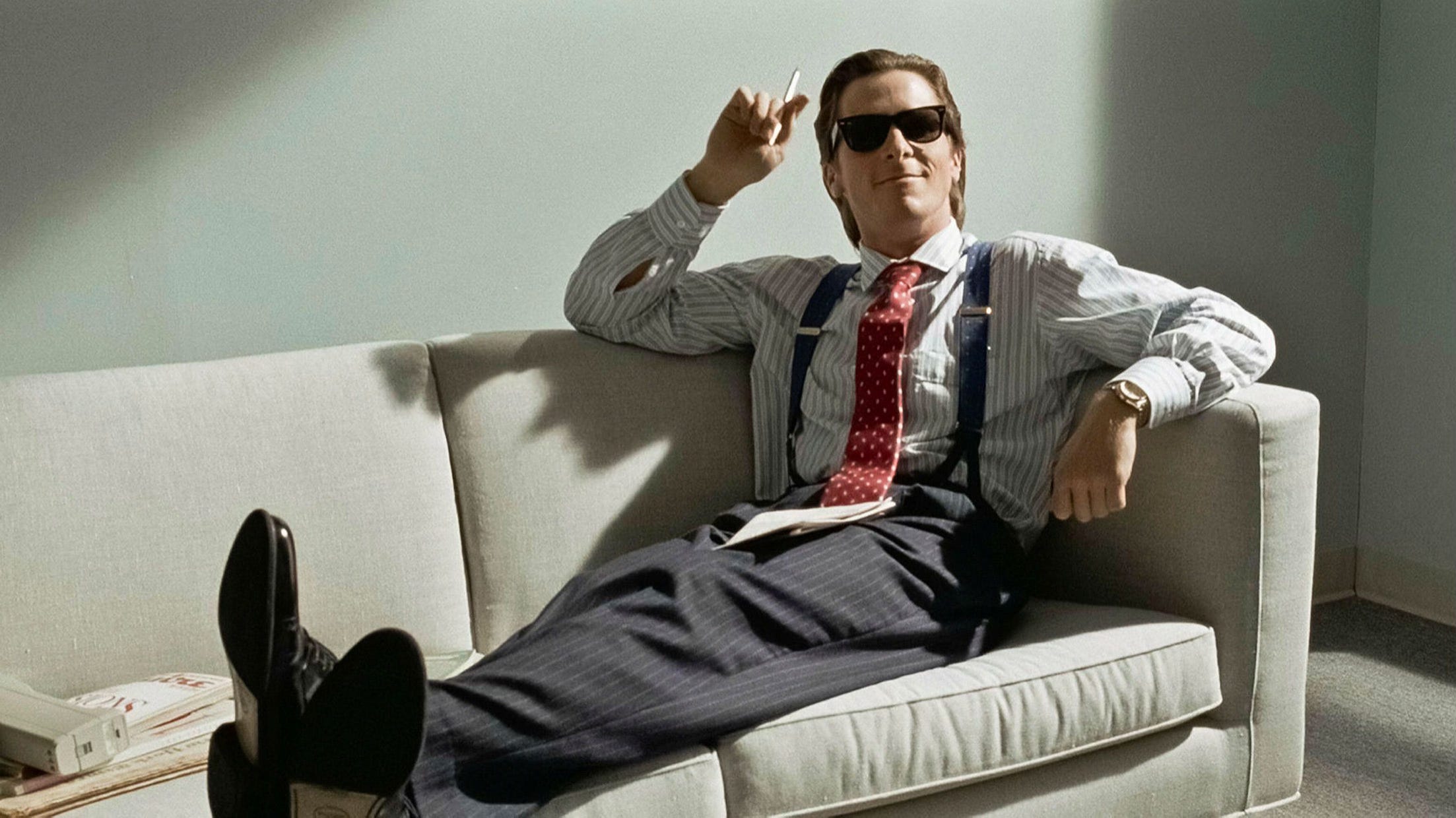
He appears promptly at 10:58 a.m., two minutes before the NEPSE opens. Not because he needs to trade but because the opening bell is “ritual energy”, bro. Dressed in a knock-off Patagonia vest over a wrinkle-resistant polyester shirt he hasn’t washed in a week, he slides into a corner table at a minimalist café in Jhamsikhel that serves cold brews named after some cryptocurrency.
His MacBook Air is open, plastered with stickered tickers: CHCL, NIFRA, NLIC, HIDCL. Companies he has held “long-term” for about three weeks.
He’s a self-described macro guy: “not into small caps. I look at fundamentals”. Big picture. His big picture, however, is an elaborate tangle of vibes, Telegram tips and something he once heard on a TikTok live hosted by “AlphaManNepal”, a 21-year-old from Itahari who overlays trading signals on astrological charts.
He scrolls through his Telegram groups: NEPSE Whales, Liquidity Kings Nepal, Buy the Dip – NRN Edition. There’s chatter about the new budget, a screenshot of a minister saying “capital mobilisation will increase”, followed by 37 messages screaming: “BULLISH AF”. He nods sagely, half-whispering to no one: “Fiscal year end, capital formation is about to explode. It’s a pre-monsoon rally”.
He believes this. Like he believes tax season is bullish because “people are literally paying taxes, bro; confidence level ta hera!” To him, every economic event is a bullish signal. Inflation up? “More money in the system.” Interest rates down? “Liquidity injection.” Interest rates up? “Market discipline, bullish again.” Trade deficit? “Means people are consuming. Consumer confidence. Macro ka lagi that’s very healthy.”
He thinks foreign reserves are GDP. When remittance ticks up by 3.5%, he posts a story: “Nepal = Next Singapore #liquiditydriven #GDPbooming #taperingdone”
When the reserves swell from a delayed IMF tranche, he explains it as, “This is smart money entering the system. IMF ho ni, not retail. It’s basically a carry trade effect without the foreigners.”
He hasn’t read a book in three years but owns a SmartDoko-purchased copy of Warren Buffett’s 7 Secrets that sits on his desk, next to a Red Bull and a stack of stock certificates he refuses to demat “for legacy reasons”. He has a subscription to The Wall Street Journal, not for reading but for Instagram. He screenshots the homepage, posts it with the caption “Sentiment shift incoming”, and never makes it past the headlines.
His MacBook wallpaper is a NEPSE candlestick chart from the 2021 peak, annotated with phrases like “Double Bottom = Destiny”, “Liquidity = Freedom” and “Volatility = Opportunity”. His AirPods are always in, not necessarily playing anything. He just likes the aesthetic. When asked what podcasts he listens to, he says “Whatever Dalio’s saying these days”, but quotes a YouTube comment from an Indian penny stock trader instead.
He’s religious about the U.S. Federal Reserve. He watched Jerome Powell’s last press conference live, muted, just to analyse the man’s facial expressions.
“Did you see that micro-nod at minute 17? That’s classic dovish signalling.”
Ask him what “dovish” means and he’ll pivot: “Look, the bond market already priced it in. That’s why you gotta be ahead of the macro, not behind it.”
Every NEPSE tick is a sign. Red candle? “Healthy consolidation.” Green wick? “Institutional entry confirmed.” Low volume? “Smart money accumulating.” High volume? “Retail frenzy, exit point nearing.”
He can’t stop talking about hydropower. “Hydro is the new oil. I’ve been saying it since Kabeli B hydro came out.” His portfolio contains 60% Chilime, 20% NRN Infrastructure and 20% “experimental plays”, usually suspended stocks or wildly illiquid microcaps.
When the market falls, he posts Ray Dalio quotes about cycles and pain. When it rises, he posts Warren Buffett quotes about patience: even though he sold everything last month and re-entered the same stocks 12% higher. He believes he’s early not wrong. Always early. The market doesn’t understand his vision—yet.
He tells anyone who will listen the NEPSE today is India in 2003 or Vietnam in 2010. “We’re in phase one of a structural bull market, fuelled by remittance liquidity, policy clarity and domestic capital.” He says this with the tone of a man who has personally backtested every macro trend since 1992 on an Excel model that no longer opens due to a corrupted macro.
His group chats are digital graveyards of half-baked charts, garbled economic logic and hot takes like these. “Monsoon delay means more generator sales—bullish for hydropower.” “China-Nepal trade deficit narrowing = risk-on sentiment.” “NIFRA is Nepal’s version of Blackstone, just waiting to pop.” “Budget le boost dincha. Always does. Budget is the real FOMC here.”
He’s been averaging down on the same four stocks since 2022 and now considers this “deep value investing”. When friends ask if he’s made any real profit, he says “I don’t trade for gains. I’m building generational wealth. Vision 2030”.
He shows up at investor events in sunglasses, taking selfies with the NEPSE’s LED ticker board like it’s the Nasdaq. When the NRB releases any kind of statement—about gold reserves, inflation targeting or even weather forecasts—he floods comment sections with terms like “hawkish tone”, “yield curve inversion”, “secular rotation”. No one is quite sure what he’s talking about—including him.
But that’s not the point.
The Nepali Finance Bro doesn’t need to be right. He just needs to sound right. Loud enough, long enough and with just enough Ray Dalio quotes to drown out the truth.
And when the market dips again next week—and it will—he’ll just shrug and say: “Cycle ho. You either have conviction or you work a 9-to-5”. Welcome to the gospel according to the NEPSE. ■