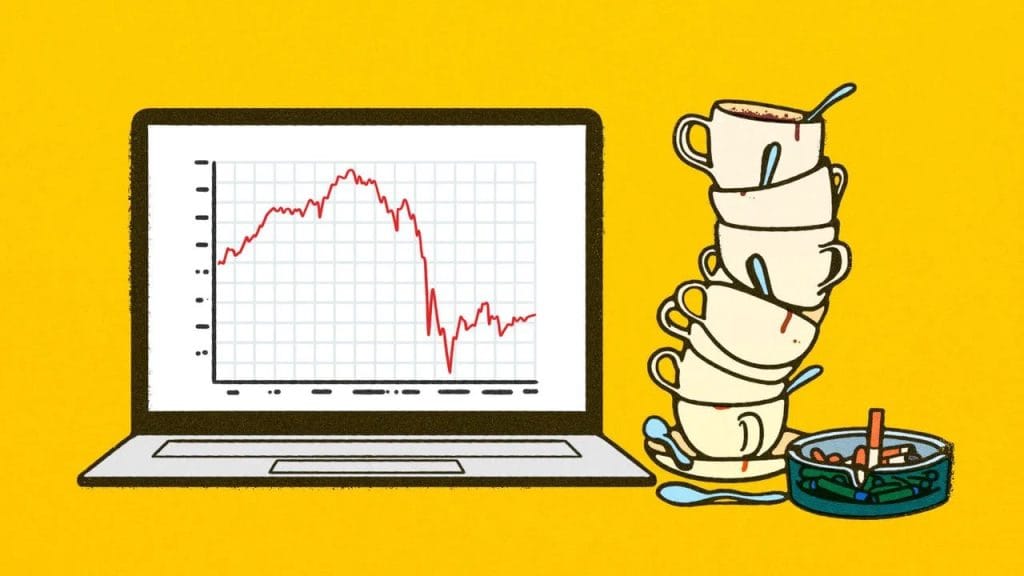
In theory a stock exchange is a matchmaker for capital, bringing together savers and seekers of funds. In practice Nepal’s bourse, the NEPSE, is still a timid intermediary. Its market capitalisation relative to GDP lags far behind regional peers, and turnover is anaemic. Liquidity, the lubricant of any vibrant market, is thin. Most of the action—if one can call it that—comes from individual investors dabbling on the side.
Retail investors dominate the NEPSE, accounting for nearly all its trading volume. That sounds promising until one notes the numbers. North of 3m Nepalis have opened Demat accounts, up from 1.7m in 2019. But fewer than one in five of these accounts sees regular use. Meanwhile, institutional investors—pension funds, insurance firms, asset managers—are largely missing in action, stymied by regulatory molasses and risk aversion. The fallout is a market that is shallow, volatile and prone to retail stampedes rather than sober price discovery.
Widening retail participation would help: not only to deepen the market but to broaden the public’s stake in the country’s economic future. But doing so will require more than sermons about the virtues of equity ownership. Three reforms stand out: spreading brokerage access outside urban enclaves; expanding investment vehicles like mutual funds and index products; and, most critically, boosting financial literacy.
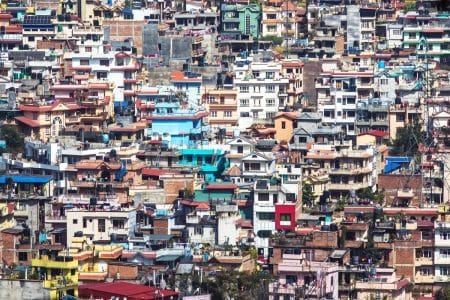
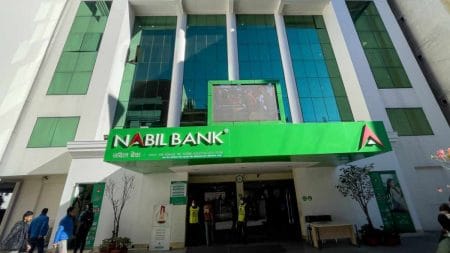
Start with access. Brokerage services are heavily clustered in Kathmandu and a few other cities. For a country with difficult terrain and limited transport links, this centralisation is exclusionary by design. Most potential investors simply lack a way in. One solution is to licence banks, whose branches already snake across the country, to provide basic brokerage functions. If you can deposit your savings in Humla, why not also invest them?
Technology, in theory, ought to level the playing field. The NEPSE’s Online Trading System, launched in 2018, allows for digital trading from anywhere, so long as “anywhere” has a reliable internet connection and a decent understanding of the system. A dedicated mobile trading app could make a difference, as could user interfaces designed with the novice in mind. But digital infrastructure is still patchy in rural areas, and technical glitches are still common enough to inspire social-media lamentations. Connectivity is no substitute for trust.
Then come products. Collective investment schemes—mutual funds, systematic investment plans (SIPs), even introducing nascent exchange-traded funds (ETFs)—give small investors a way to access the market without needing to pick individual stocks. They also diversify risk, smooth volatility and create reliable inflows. So far these instruments reach a small pool of investors (bar ETFs). Banks and financial firms should have every incentive to promote them more aggressively. After all, educated customers are recurring ones.
Education is where the biggest gains could be made. Most Nepalis still prefer land, jewellery or hard cash over equities. Not irrationally: these assets are tangible, familiar and less prone to disappearing in a crash. But with inflation eroding returns on cash and the real-estate bubble looking precarious, the time is ripe for a cultural shift. Teaching people about compound interest, diversification and long-term gains is not mere public service: it is market-building.
The Bombay Stock Exchange presents a useful model. It runs thousands of investor outreach events each year from urban seminars to rural roadshows. The NEPSE could emulate this, perhaps with the Securities Board of Nepal (SEBON) partnering with international standard-setters like IOSCO to build capacity and credibility. Financial literacy, unlike most public-policy goals, pays dividends—quite literally.
Still, a word of caution. Retail enthusiasm tends to bring with it a whiff of mania. Unsophisticated investors, armed with apps but little analysis, can inflate bubbles just as quickly as they burst them. The stock market has seen swings more reminiscent of a casino than a capital market. Encouraging retail participation without adequate guardrails risks replacing one bottleneck with another.
Moreover domestic savings alone will not suffice. Nepal’s capital needs are vast: from infrastructure to industry, the appetite for investment outstrips what its citizens can supply. At some point the market must court foreign investors, both direct and portfolio, notwithstanding the risks of “hot money” inflows. That will require regulatory reform, currency stability and a credible exit mechanism. For now such talk remains aspirational.
Still, one has to start somewhere. The stock market need not be the preserve of the few or the brave. It could become, with the right reforms, a pillar of inclusive growth: a place where ordinary citizens, not only elites, can share in the nation’s economic fortunes. After all, if the government expects the private sector to carry the development load, it might begin by making the stock market feel less like a club and more like a public square.
Ain’t no mountain high enough
Most Nepalis in the meantime will continue to save in gold. But should the country get its reforms right, it might one day swap its reputation as a land of mountaineers for one of market makers. After all, even Everest was once unclimbed. ■