If pharmaceuticals are the playground of regulators and rogue athletes, the supplement aisle is the domain of dreamers. Most pills sold under the banner of wellness provide hope rather than help. Creatine is an exception. First embraced by weightlifters and sprinters seeking brief bursts of explosive strength, the powder has slipped beyond the gym and into more surprising territory: nursing homes, laboratories and academic lectures on neuroscience.
That shift is more than vanity marketing. The global market for creatine supplements was $1.1bn in 2024. It is forecast to nearly quadruple by the end of the decade. A boom driven not only by bodybuilders seeking biceps but also by pensioners seeking to preserve their memories.
Creatine is a simple compound that the body produces in the liver and stores in muscles. It helps generate adenosine triphosphate (ATP), the molecule that fuels everything from sprinting to synaptic firing. When a cell needs energy in a hurry, creatine steps in. The body makes about one to three grams of it per day and can absorb more through meat and seafood. Vegetarians get less, which partly explains why supplementing it appears to offer them greater cognitive gains.
The effect on muscle performance is well established. Numerous studies suggest creatine supplementation boosts strength by about 10-20% during short, high-intensity exercise. It allows an extra few repetitions in the gym or a second more at sprint speed. It is legal, cheap and appears safe even with long-term use. There is no known test that can distinguish natural creatine from the powdered kind. Anti-doping authorities are unbothered. The most serious known side-effect is mild water retention.
Unlike anabolic steroids, creatine does not build muscle directly. It enables the work that does. It helps the user do more not become more. This subtlety is its superpower, and may explain why its appeal is spreading well outside sport.
Evidence is emerging creatine could help shore up the brain as well as the biceps. Though most research has been conducted on men and muscle, a growing number of studies suggest cognitive benefits too. Neurons, like muscle cells, require energy to function. The brain comprises roughly 2% of body weight but consumes around 20% of its energy. In moments of metabolic stress—sleep deprivation, depression or neurodegenerative disease—the system can falter. Creatine appears to help plug the gap.
Trials on cognitive performance in young adults have yielded modest but intriguing results: improved memory recall; faster reaction times; and better mental stamina under fatigue. In animal models, creatine appears to reduce the damage caused by concussions by half. Research on Alzheimer’s patients hints at cognitive gains, though the evidence remains tentative.
Women may derive particular benefit. Female bodies synthesise 20-30% less creatine than male ones. Postmenopausal women, who face accelerating bone and muscle loss, may benefit from pairing creatine with resistance training. It will not rebuild skeletal mass but it might slow the decline. This is no miracle cure. It is a biochemical nudge in the right direction.
Seniors too are being recruited. Studies suggest creatine supplementation, when combined with strength training, improves mobility and lean mass in older adults. There are early signs of gains in memory and executive function. In an ageing world, this has implications that go well beyond the fitness industry.
Regulators remain cautious. Some doctors advise adolescents against creatine, citing limited long-term research. But even here the evidence is hard to ignore. Competitive teenage athletes using creatine tend to perform 5-15% better in high-intensity sports. The risks appear minimal. The rewards, in narrow settings, are measurable.
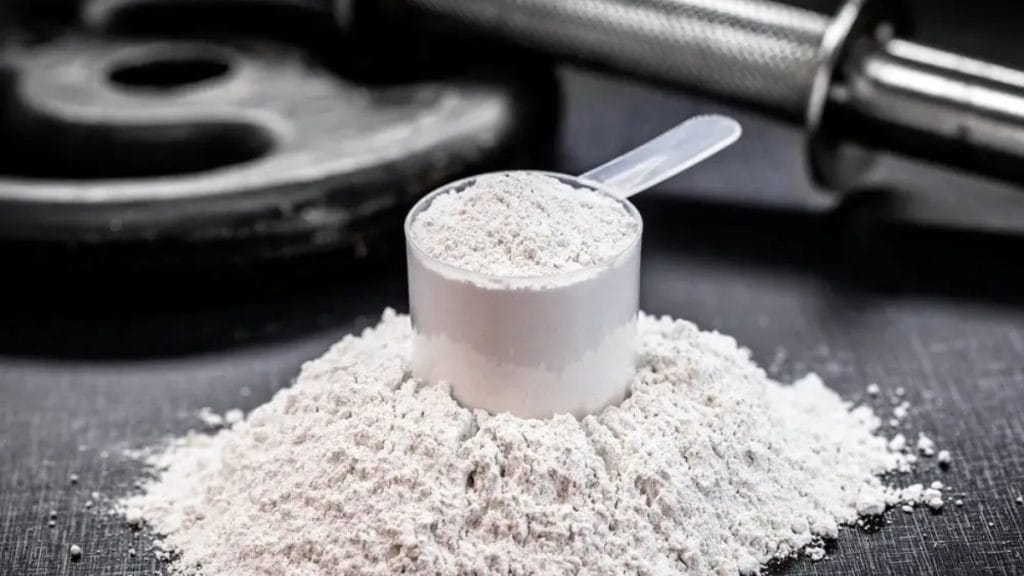
As with any supplement, purity is not guaranteed. In America and many other places creatine is not tightly regulated. Reputable manufacturers submit to third-party testing to ensure their powders contain neither heavy metals nor banned additives. Most experts recommend sticking to creatine monohydrate, the cheapest and most studied form. A daily dose of 3-5 grams suffices for most, though some researchers take twice that.
Sceptics remain. Eric Topol, a respected physician and researcher, dismisses the supplement industry as scientifically hollow. Yet even he concedes creatine may be the lone exception: largely harmless and backed by a growing base of real data.
The caveat is creatine still pales beside the fundamentals. No amount of powdered ATP precursor can compensate for poor diet, lack of movement or chronic sleep deprivation. Supplements, as ever, supplement.
Still, in a world where so much medical advice amounts to pious repetition—eat less sugar, move more, sleep better—it is rare to find a pill that actually delivers. Creatine might not sharpen your mind like a scalpel or strengthen your limbs like a squat rack. But it is an ally. A pinch of phosphagen for the energy-starved modern life. ■