Image: Skanda Gautam
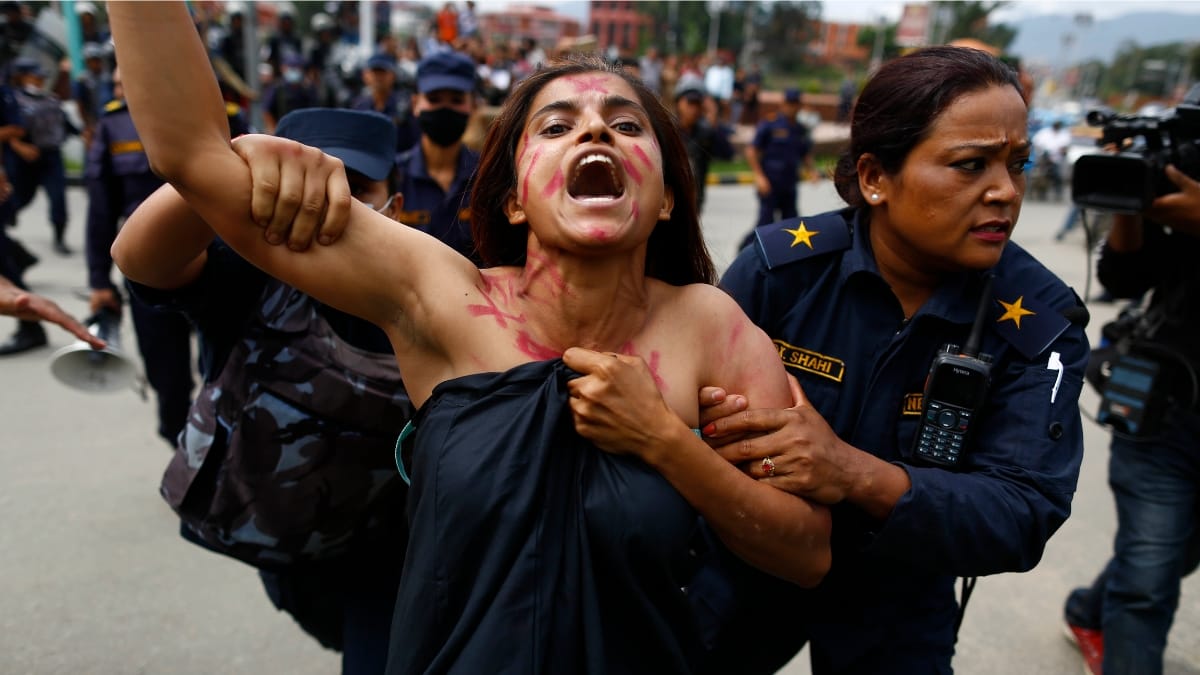
The protests have lasted longer than some cooperative boards. Since June 2023 thousands of aggrieved depositors have been on the streets, clutching passbooks that might as well be scrap paper. They have staged sit-ins, chained themselves into human rings, gone without food and, in one memorable turn, stripped down in Maitighar Mandala. Their demands are simple to state and apparently impossible to meet: freeze the assets of errant cooperative directors, recover the missing billions and set up a body with real power to enforce both.
The government has agreed three times, but has done nothing each time. The most substantial step came in December last year, when an ordinance birthed the National Cooperative Regulatory Authority (NRA). It was a body meant to monitor and supervise cooperatives, plug them into the deposit-protection architecture and even keep a credit history of borrowers. Yet the authority was created with more pomp than power. It can recommend fines but not seize assets. It can receive complaints but not return savings.
The Supreme Court intervened, ordering the fulfilment of victims’ demands “through legal means”. The government complied minimally: it opened an office in Pulchowk, appointed a chair and left two of five board seats vacant. NRA officials admit they are still in the “initial regulatory stages”, meaning it is doing little.
Meanwhile the hole is vast. By some estimates, more than NPR 3.5bn is stuck in around 500 troubled cooperatives. The National Campaign for Protection of Cooperative Savers counts 357 in distress and more than 1.4m victims. A parliamentary inquiry into just 40 of them found obligations totalling NPR 87.89bn.
The deposit-protection scheme provides scant solace. It will cover only future-registered cooperatives, leaving existing victims stranded. A planned Credit Information Centre, meant to blacklist dubious borrowers, exists only in outline. The Debt Recovery Tribunal, tasked with clawing back loans, is hamstrung. Directors have vanished. Debtors are broke. And few cases have been filed. Victims allege the tribunal bends over backwards to protect operators.
The law does in theory prioritise returning up to NPR 500,000 to each saver before larger sums are repaid proportionately. But the committees handling restitution ignore that, distributing funds uniformly. Assets rarely match liabilities, so everyone gets less—and the poorest lose most.
Critics see deliberate torpor. They accuse the state of shielding politically connected directors, arresting them briefly only to release them unpunished. Kushal KC, who leads the savers’ campaign, says every agreement has been breached. Gauri Bahadur Karki likens the government’s efforts to “pruning weeds, not fixing roots”. Officials retort the reforms will prevent future crises, an argument that sounds suspiciously like telling the drowning that lifeguards will be better trained next year.
The co-operative model promised grassroots finance and local empowerment. In Nepal it has too often delivered Ponzi economics with a handshake. Without powers to seize property and prosecute fraudsters, the NRA risks becoming another arm of the state that monitors collapse rather than averts it. As savers grow older, poorer and angrier, the government’s incrementalism begins to look less like prudence and more like complicity. The protests will eventually end. The memory of being swindled under official watch will not. ■