IMAGE: THE KATHMANDU POST
Governments fall not only because they are weak but because they are stupid. Nepal’s leaders have managed both—with a generous dose of corruption. In an attempt to muzzle dissent, and citing the failure of social media platforms to register in the country, the government banned 26 platforms. The move, seen widely as a cover for endemic graft and elite impunity, provoked a protest movement that spilled across Nepal.
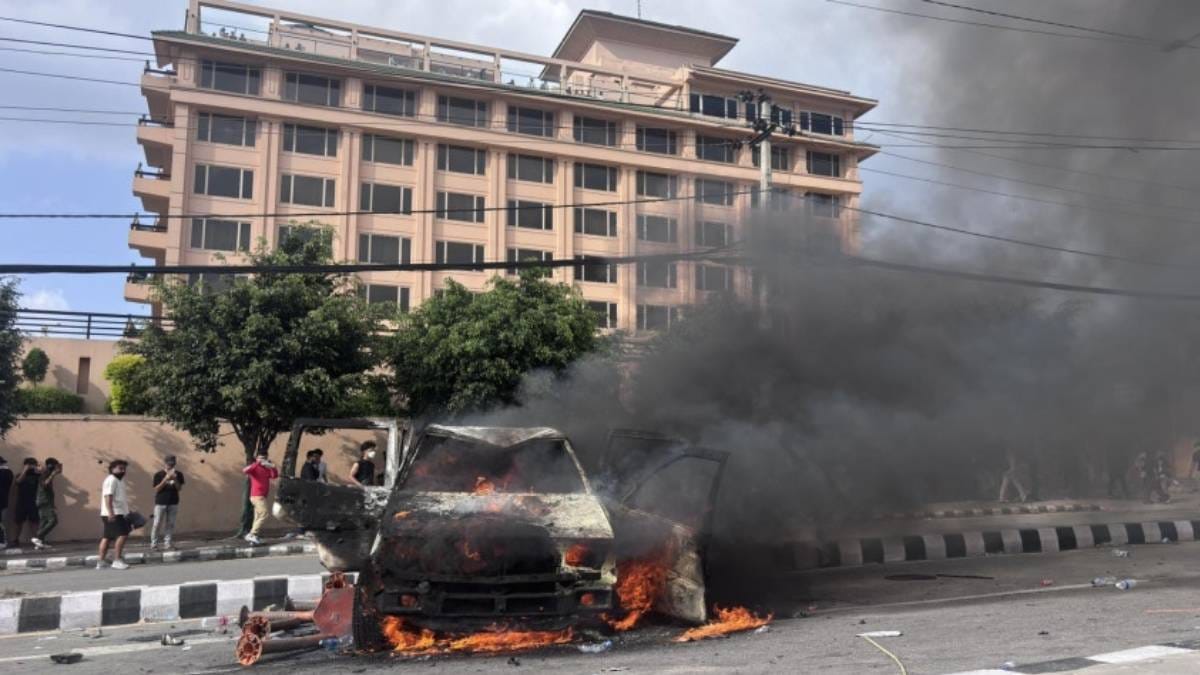
Police responded with live rounds, killing at least 19 people, including 16 in Kathmandu, and injuring hundreds. The dead now stand as mute testimony to a government at war with its own citizens—and to the delusion that censorship can suppress a generation demanding accountability.
Suppressing free expression is rarely costless. In a country where corruption has corroded institutions for decades, social media had become not only a diversion for the young but an outlet for political frustration. Blocking platforms on grounds of “national security” or “social stability” is a trick familiar from more authoritarian capitals. Yet in Nepal the manoeuvre backfired instantly. Rather than muting anger, it amplified it, drawing thousands into the streets outside Parliament.
The immediate blame lies with the police, who deployed tear gas, water cannons and ultimately bullets. Lethal force against demonstrators—many of them students—raises questions of proportionality that no official communiqués can evade. Yet the deeper responsibility sits higher. Ministers endorsed the ban. They then sanctioned the crackdown. Their fingerprints are all over the carnage. To argue that protesters who stormed barricades bear equal guilt is sophistry. Disorder on the streets is no licence for the state to gun down its citizens.
The government’s legitimacy is draining away fast.A cabinet that treats free speech as contraband, and citizens as insurgents, has little claim to democratic authority. Resignation would be the honourable course; instead leaders cling to power as if it were private property. This stubbornness has invited international condemnation. Rights groups will demand accountability. Foreign governments will frown. And Nepal’s fragile reputation as a parliamentary democracy will suffer another blow.
Some argue for reform rather than resignation. That means more than platitudes. The police chain of command must face scrutiny. Ministers who approved censorship and bloodshed should step aside. An independent inquiry—ideally with outside observers—must establish facts that no state-run commission can whitewash. Unless these steps are taken, the protests will return, angrier and more organised.
Nepal’s tragedy is familiar across the world. Technology has created publics that governments can neither fully control nor entirely ignore. To ban the platforms where a generation speaks is to court rebellion. To meet that rebellion with bullets is to invite collapse. The dead outside Parliament were not enemies of the state: they were its future. If Nepal’s leaders cannot grasp that, then the future will do without them. ■