IMAGE: THE KATHMANDU POST
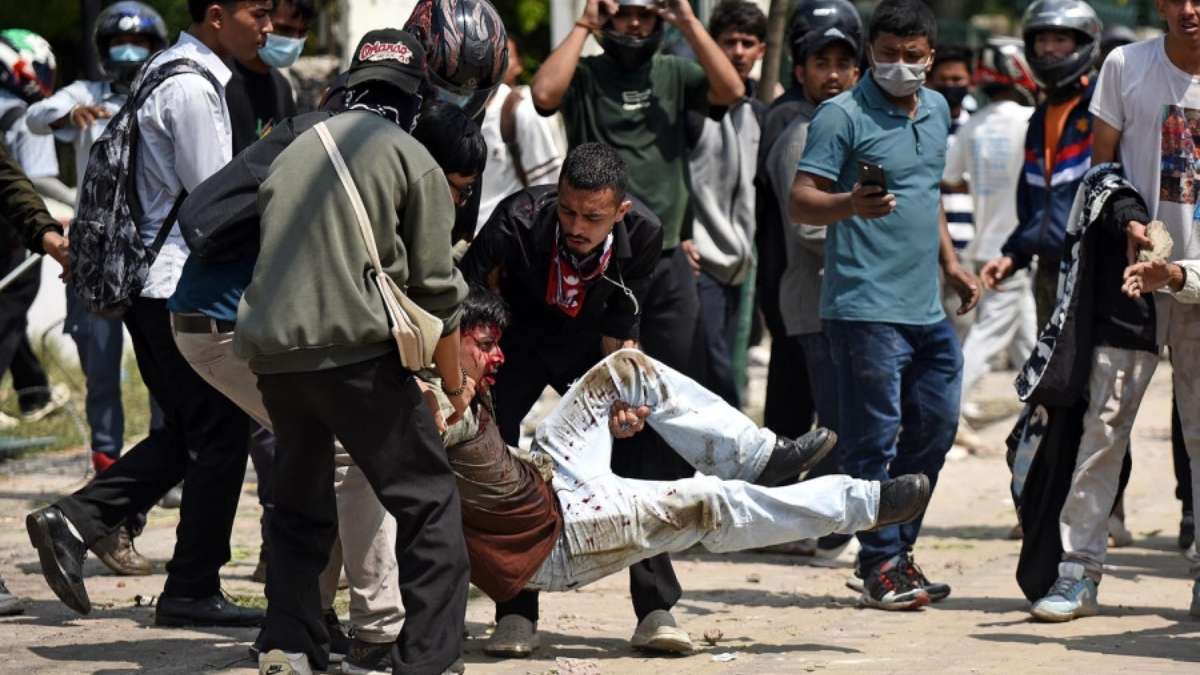
On September 8th security forces in Kathmandu and Itahari opened fire on student demonstrators demanding reform and accountability. Nineteen young people were killed. Hundreds more were wounded, many with bullets to the head and chest. Some were dragged from hospitals and homes and beaten again and even shot. This was not a breakdown of order. It was a calculated decision.
The order to shoot came from Kathmandu’s chief district 0fficer, a bureaucrat empowered by law to safeguard “peace and security”. It was executed under the political watch of Ramesh Lekhak, the home minister, who resigned after the bloodshed. Resignation is not justice. Authorising lethal force against unarmed civilians is not governance. It is a crime.
Nepal’s rulers have grown used to escaping consequence. Wartime atrocities remain untried. Transitional justice is a theatre of delay. Corruption is rarely punished. The killings on September 8th mark a darker turn: the state itself killing its children in broad daylight, with cameras rolling and witnesses watching.
The demonstrators were not insurgents. They were young Nepalis demanding jobs, transparency and a future at home rather than abroad as cheap labour. The regime answered their aspirations with bullets. Videos show officers aiming directly at schoolchildren. Eyewitnesses report plainclothes agents hunting organisers. Hospitals became extensions of the battlefield. Nothing in this chain of events can be squared with democracy.
Accountability cannot be fobbed off on street-level police. The official who signed the order to fire must be prosecuted. Senior commanders must be named. Files in the Home Ministry must be opened. Political leaders who condoned or concealed the decision cannot hide behind party lines. Nepal’s judiciary, if it wishes to preserve even a shred of credibility, must act swiftly. Delay will corrode what little trust remains.
Western donors and multilateral agencies have invested millions in Nepal’s democratic transition. Their silence is telling. Expressions of “concern” will not suffice. If Iran or Myanmar had slaughtered schoolchildren, condemnations would already be thundering in parliaments. Nepal’s rulers should not escape scrutiny because they speak the idiom of democracy while practising repression. Visa bans, aid freezes and targeted sanctions must be considered. Otherwise, donor-funded governance programmes risk looking like subsidies for murder.
The line that cannot be erased
To fire on unarmed protesters is to fire on the future. It is proof that the old guard fears its own citizens more than it fears collapse. Nepal’s youth are the country’s only path to renewal. Killing them is not only a crime but an act of national self-destruction.
If the world tolerates this, other fragile democracies will learn the same lesson: that bullets are cheaper than reforms. The choice before Nepal’s leaders is clear. Face justice—or be remembered as the rulers who tried to kill their country’s tomorrow. ■