Image: Google
FROM THE HIMALAYAS, it is an easy assumption that Nepal’s energy fortune lies in its water. The steep rivers tumbling from the roof of the world have been harnessed into hydropower dams that provide almost all the country’s electricity. Yet a new study suggests this mountain kingdom is sitting on another, even more abundant resource.
Detailed mapping shows that Nepal could generate 45 times its current electricity needs from solar power alone. For a landlocked nation striving to modernise, that is an enviable position.
Nepal’s energy mix is dominated by biomass. Fuelwood and animal dung account for nearly two-thirds of total energy use. Commercial fossil fuels make up a quarter. Electricity, almost all from hydropower, supplies just 10%. Although 99% of the population is connected to the grid, consumption per person is a meagre 400 kilowatt-hours per year. As the economy grows and demand increases by 11% a year, the country must choose how to power its future.
Hydropower, though clean, has limitations. Most plants are run-of-river, dependent on seasonal water flows. Climate change brings erratic rainfall and droughts, making supply less reliable. Large dams also provoke social and environmental disputes. Curiously, government policy restricts solar development to no more than 10% of installed hydro capacity. The rule seems born of habit rather than analysis.
A fresh assessment using geographic-information system (GIS) technology—layering data on sunlight, land use and slope—shows how misplaced that caution is. Nepal receives strong, consistent solar radiation, between 3.6 and 6.2 kilowatt-hours per square metre per day. This places it in the global sunbelt. By avoiding forests, steep terrain and urban centres, the study identifies vast tracts suitable for solar panels. It calculates a technical potential of 552 terawatt-hours per year. Current generation is 12.3 terawatt-hours.
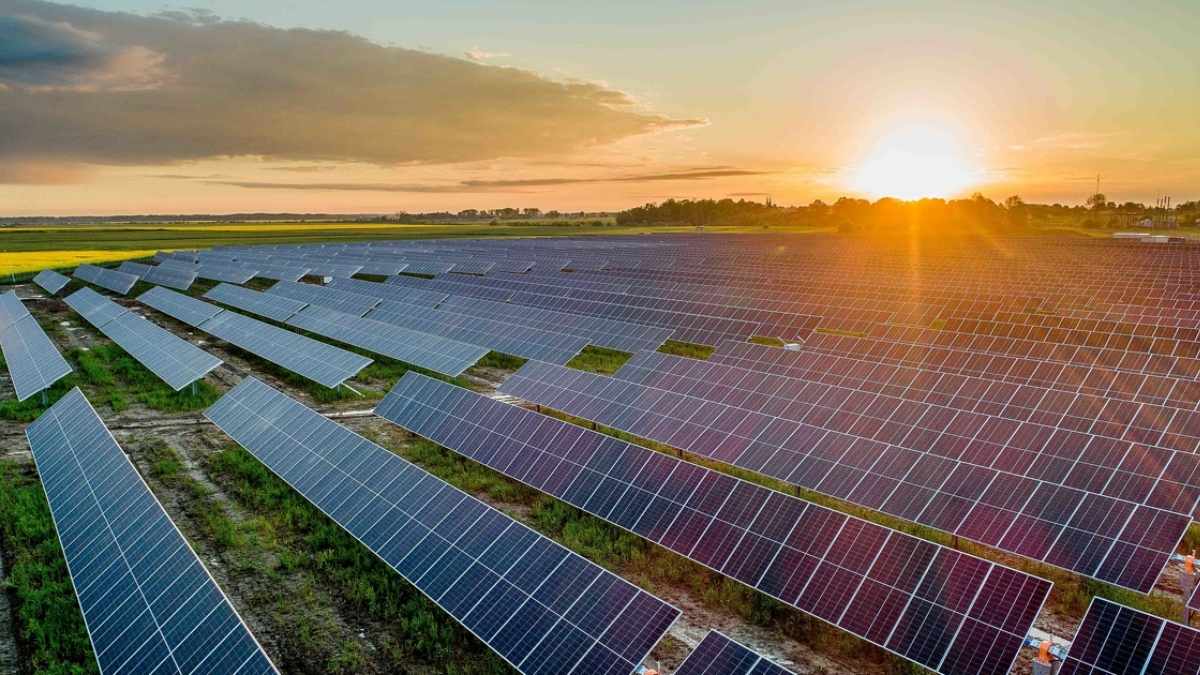
The analysis explores three approaches. Rooftop panels could turn buildings into power generators. Ground-mounted solar farms could occupy barren land. Most ingenious is “agrivoltaics”, where panels are raised high enough for crops to grow beneath. Shade-tolerant plants such as pulses and potatoes can thrive there. With three-quarters of Nepal’s agricultural land cultivated, this dual use could transform rural incomes. Farmers would harvest food and electrons simultaneously.
Sadly, realising this potential means policy reform. The 10% cap on solar must go. Grids need reinforcement to handle variable power flows. Investment, both domestic and foreign, should be encouraged. The International Solar Alliance already rates Nepal as moderately attractive for solar investment. The ultimate prize could be exporting clean power to energy-starved neighbours India and Bangladesh. Hydro and sun together would offer a more resilient supply.
Nepal has pledged to reach net-zero emissions by 2045. Its great hydro projects were the first step. Tapping the boundless sunshine above them is the logical next one. The Himalayas will always define the nation’s geography. But it is the sun that could power its future. ■