Image: Shutterstock
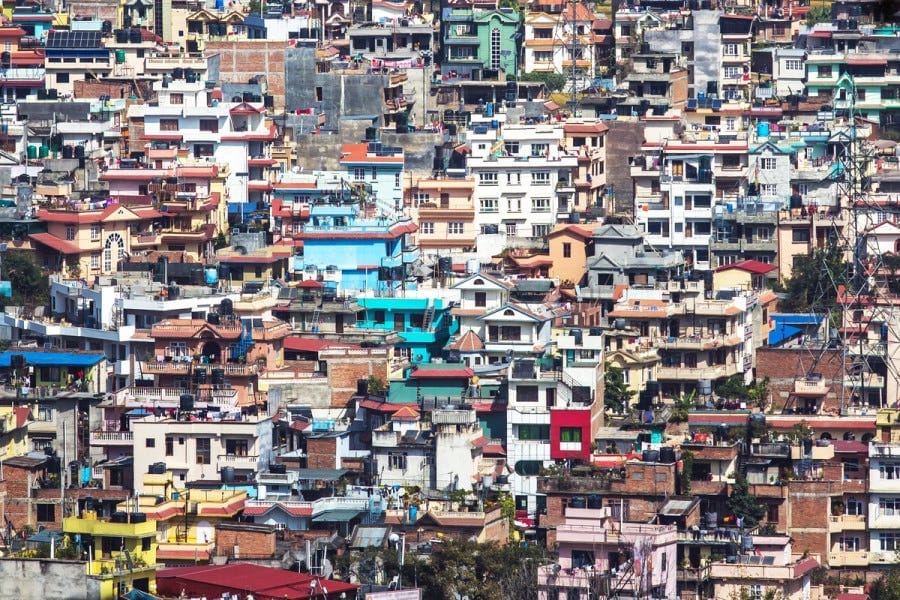
THE ROOF OF the world now rests on a strange base. In Kathmandu, Nepal’s jammed and dusty capital, the average family home costs about $274,000. On its own, that number means little. Set against local pay, it is absurd. A Nepali civil servant earns roughly $270 a month. A modest two-bedroom flat in Hatiban costs the sum of 20 years of their total wages. A small plot of land costs 37. The price of housing is 36.6 times income, making Kathmandu the second least affordable city in Asia, beaten only by Colombo and far ahead of Beijing, Shanghai or Hong Kong. In one of Asia’s poorest countries, property has become a rich man’s toy.
That would be odd but harmless if it stopped there. It does not. Nepal’s income per head is just $1,447. The economy survives on money sent home by workers abroad, which adds up to a quarter of GDP. Yet those same remittances have helped inflate a housing market that floats free of logic. Rent on a prime Kathmandu property yields just 1.7% a year, among the lowest in Asia. Mortgages cost 8–12%. Buying to rent makes no sense. Buying to flip does. “People don’t buy for income,” says one agent. “They buy because prices always rise.” And rise they have—by nearly 28% a year, almost four times faster than pay.
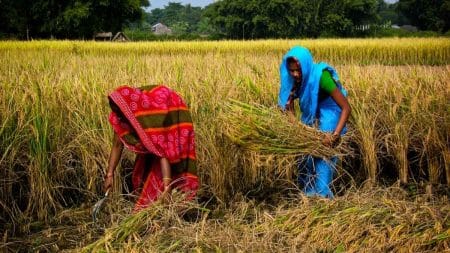
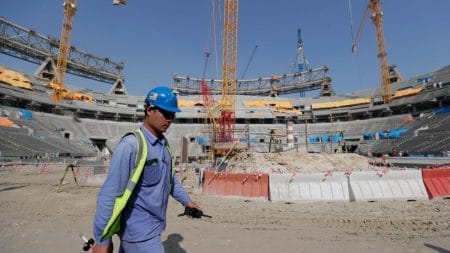
The reason is not hard to find. Each year $9–10bn pours into Nepal from migrants working in the Gulf and Malaysia. The pattern runs like this. “Money comes in, the family buys land, maybe builds a house,” says a banker. “It’s safe. It shows success.” This demand lives in a world apart from local wages. It answers to no pay slip and no rent cheque. The market follows its own rules. A plot in Bhaktapur is said to have gained 7,000% in value over two decades. Land in Tinkune has reportedly quadrupled in six years.
Such gains feed a fever. Land is no longer shelter. It is the main bet. Shares are risky. Bonds pay little. Property, by contrast, has never let anyone down. The tax system cheers it on. Capital-gains tax on property drops from 7% to 5% after five years. Income tax can reach 39%. “Why build a business,” asks a former government economist, “when you can make more money trading land?” The answer explains why so few try.
Banks are both cheerleaders and hostages. About 12% of all lending—some Rs427bn—is tied to property. More than two-thirds of loans rest on land as security. Prices rise, collateral swells, banks lend more, prices rise again. It is a loop that feeds on itself. The central bank has tried to slow it in the past, by forcing bigger down-payments and capping property loans. “It’s like stopping a landslide with a shovel,” says a former official.
The damage spreads. Public projects buckle under land costs. At Bhairahawa airport, the state spent over Rs20bn on land—three times the cost of building the airport itself. Money that could back factories, skills or schools is locked into dirt. Fortunes are made not by effort, but by inheritance and timing. Gaps widen. And remittances that might fund firms or fees instead chase a fixed supply of land, pushing prices ever higher.
Politics makes it worse. Scandals such as Lalita Niwas, where public land was shifted into private hands, point to troubling rot. Many in charge have a stake in rising prices. Journalists who probe too hard hear from lawyers and thugs. In other words, the game is stacked to keep the boom alive.
Young couples in Kathmandu give up on owning a home before they begin. New flats sit half-empty, bought by migrants who live abroad. The city spreads, chewing up fields as builders hunt cheaper plots. The bubble is now so big that bursting it would hurt everyone. And so it stays aloft, held up by money from abroad, silence at home and the shared hope that prices will never fall. ■