Image via Google
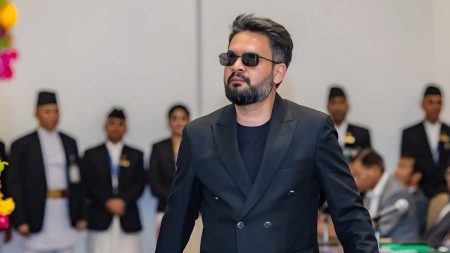
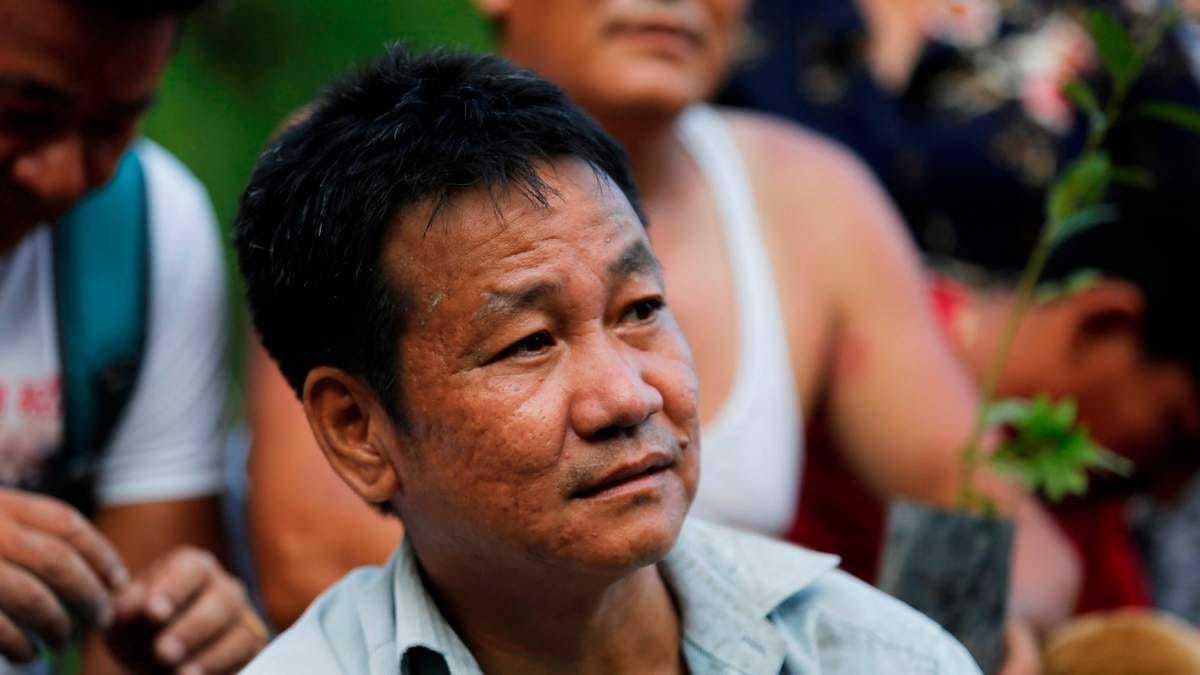
POLITICS IN KATHMANDU is mostly a matter of words: grand speeches, convoluted coalition talks and unread manifestos. In Dharan, a city in Nepal’s eastern hills, it is about fixing broken water pipes. The mayor there, Harka Sampang, a former migrant worker, founder of the Shram Sanskriti (Labour Culture) Party, is running for prime minister. His platform is built on physical labour and a blistering critique of the country’s ruling elite. In a system dominated by hereditary party bosses, his rise is a rebuke. It is also a sign that disillusioned voters are hungry for something new. The old guard and the legacy media would be foolish to ignore him.
For decades power has alternated between the Nepali Congress and an assortment of communist parties. The result has been a predictable cycle of graft, as well as dysfunction and empty promises. The country suffers sluggish growth and an exodus of its youth. Meanwhile its leaders bicker over the division of ministerial spoils. Mr Sampang offers a brutal contrast: action. After years working abroad, he returned to Dharan to find a city plagued by water shortages and corruption. He organised citizens, blocked illegal mining operations and demanded transparency. His hands-on approach won him the mayor’s office in 2022. Now he proposes to apply it nationally, arguing that Nepal is built by sweat rather than slogans.
His appeal lays bare three failures of the political class. The first is a total collapse of trust. When Mr Sampang calls ministers “political thugs” who take a cut from every project, he is merely voicing a widespread belief. Corruption is so endemic it is taken for granted. The second is a culture of helplessness. The country has long been a playground for foreign donors, creating a dependency that Mr Sampang rejects. His call for self-reliance—“We have the rivers, the stones, the youth; why can’t we build our own roads?”—resonates deeply. He views foreign aid and investment, such as America’s Millennium Challenge Corporation compact, with suspicion, as new forms of imperialism.
The third, and most potent, failure is inertia. Mr Sampang scorns an education system that produces graduates who cannot perform basic tasks, and politicians who think development means photo-ops at ribbon-cuttings. His “labour culture” is a practical programme as well as a moral stance: dignity comes from work, sovereignty from productivity. It is a direct challenge to a ruling elite that has perfected the art of talking while doing nothing.
Yet for all its power, Mr Sampang’s philosophy faces serious practical tests. Running a city is not the same as running a country of 30m people. Nepal’s ethnic divisions, rugged geography and entrenched interests cannot be overcome by volunteerism alone. His scepticism of foreign engagement risks tipping into damaging isolationism. A landlocked, poor country cannot thrive on autarky: it needs investment, technology and trade. National pride cannot engineer a dam.
Moreover his movement is built intensely around his personal integrity and charisma. Politics, even of the clean variety, calls for compromise, coalition-building and bureaucratic skill: unglamorous work but crucial. Can “labour culture” be institutionalised or will it be a personality cult?
The establishment’s instinct may be to dismiss him. That would be a mistake. Mr Sampang speaks for millions of Nepalis, especially the young, who are tired of the old parties’ empty theatrics. He channels the frustration of the migrant who has seen how other countries function and wonders why his own does not.
Nepal does not need to become a nation of ditch-diggers, shunning the world. But it desperately needs to inject his ethic of accountability and concrete action into its corroded system. The real trouble is synthesis: can the energy of this bottom-up, action-oriented politics be combined with the complex machinery of modern statecraft?
Mr Sampang may not win power, but he has already changed the question. In Nepali politics he has made what you do more important than who you are. For a country fed on empty words, that is a revolution in itself. ■