IMAGE: TJT
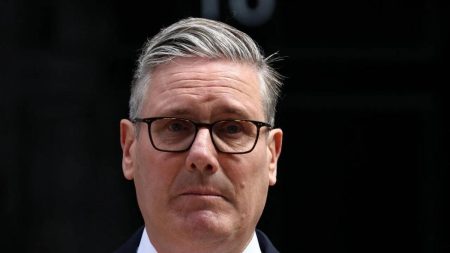
A SNAP GENERAL election on February 8th is expected to return Japan’s ruling coalition with an expanded majority. The result is not in serious doubt. The real story is the woman who will lead it. Prime Minister Sanae Takaichi, who took office in October 2025, is the most distinctive political figure to emerge from the long shadow of Shinzo Abe, former prime minister who was assassinated in 2022.
Her background is unconventional, her style is direct and her vision for Japan is bold. She promises a more powerful nation, unapologetic about its interests and proactive in its economic statecraft. The gamble is if the country’s fragile fiscal foundations and patient institutions can withstand the force of her ambitions.
Her political identity is full of contrasts. The daughter of a police clerk and an auto-parts dealer from Nara prefecture, a historically significant region in Japan’s Kansai area, she financed her own education through long commutes and part-time work. She once played drums in a heavy-metal band. This blue-collar biography informs a campaigning persona that is fiercely relatable.
Yet her philosophy was forged in the austere discipline of the Matsushita Institute of Government and Management, a leadership school founded by Konosuke Matsushita, Panasonic’s creator. The institute drilled into her a core mantra: manage the state like a company. Growth must be pursued but the books must eventually balance. She absorbed, too, the lessons of Margaret Thatcher and a fellowship in Washington with a Democratic congresswoman, Patricia Schroeder. The blend is a belief in strong leadership, tempered by a nagging fear of fiscal overreach.
In the office that blend produces constant tension. Ms Takaichi advocates what she terms responsible expansionism. Her government funnels money into state-prioritised growth sectors like artificial intelligence and semiconductors. She talks of adjusting sales taxes on essential items, a pledge that sent a brief shiver through bond markets. The architect of Japan’s economic-security framework during a previous ministerial post, she views technology and supply chains as arenas of strategic competition, primarily with China. Defence spending has climbed, justified by an unflinching link drawn between Japan’s security and stability in the Taiwan Strait. Her alliance with America is muscular, including an early and conspicuously smooth engagement with Donald Trump.
All this heralds a new tone and tempo. Japan’s postwar policy has generally leaned towards cautious reaction and its leaders referees of bureaucratic consensus. Ms Takaichi operates as a lone wolf. She devours policy briefs alone, arrives at decisions and announces them. Supporters call it firmness. Critics complain about a lack of consultation, a risky trait in a consensus-based system. Her popularity, particularly among voters under 30, suggests the public yearns for clarity and direction after decades of deflationary torpor. They see a leader who gets things done.
The question is where she will drive the vehicle of state. Japan’s debt mountain, at 230% of GDP, is the highest in the developed world. The Bank of Japan is gingerly normalising interest rates after years of extraordinary stimulus. Ms Takaichi’s growth agenda depends on spending and confidence. Her fiscal rectitude depends on restraint. Dealing with those will demand a surgical precision that her bold public pronouncements sometimes lack. A clash with the central bank over the speed of monetary tightening seems inevitable. Her foreign policy, while aligning with bigger regional unease about China, carries the perpetual risk of miscalculation. A planned spring visit to Seoul, intended to build personal rapport with South Korea’s President Lee Jae Myung, will test her diplomatic deftness.
Ms Takaichi’s rise reflects a Japan increasingly willing to project strength. Her tenure will test whether its institutions can channel that strength without breaking. She wants a Japan that is respected, secure and growing. The ministries, the central bank and the factional threads of her own Liberal Democratic Party must now translate presidential-style vision into sustainable policy. The election will reaffirm her mandate. The years that follow will reveal whether the lone wolf can lead the pack or if the pack will finally slow her down. ■