IMAGE: PRIME MINISTER’S OFFICE
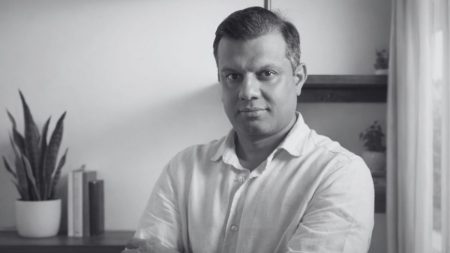
BALENDRA SHAH, a rapper who stormed to power last month, has spent his first weeks as Nepal’s prime minister dodging the world’s microphones. On April 8th he summoned 17 ambassadors (from Delhi, Beijing and other countries to lesser missions) for a brisk group huddle, skipping the usual one-on-one fawning. It was a snub packaged as diplomacy, a signal that this 35-year-old upstart means to shuffle the giants on his borders as deftly as he bulldozed corrupt contractors and vendors in his time as mayor of Kathmandu, the capital.
His Rastriya Swatantra Party (RSP) crushed the election on March 5th with a near two-thirds majority, sweeping away the tired duopoly of the Nepali Congress and communists who had churned through a dozen governments in 17 years. Gen Z voters, sick of nepotism and corruption, handed Mr Shah—the “Balen” of viral TikToks—a blank cheque for his 100-point reform blitz: slash ministries from 22 to 15; ban party hacks from civil-service jobs; probe politicians’ loot since 1991. Passports by post, they have promised, and factories for foreigners. Nepal, landlocked and leaky, might at last get its act together.
A breath of fresh mountain air, then. Technocracy has trumped tribalism; a doer displaces the demagogues. Progress, surely. The truth is uglier.
Mr Shah’s signature move is silence: giving neither interviews nor press conferences, He built his brand on megaphone populism—rapping against the elite and smashing illegal billboards with a wrecking ball—but now, in power, he mutes the fourth estate. Journalists who sniff too closely get a cold shoulder; his team shrugs. This is not shy leadership. It is control: curate the message and sidestep the scrutiny. In a neighbourhood where India blockades roads at whim and China dangles debt, such insulation invites trouble.
Consider the sacking of his labour minister, Dipak Kumar Sah, on April 9th. Mr Sah, a fraud convict from a decade ago, lasted a fortnight before party boss Rabi Lamichhane fingered him for nepotistic meddling. Mr Shah axed him sharpish, to cheers on social media. Responsive, yes, but it betrays a frantic vetting failure in a party still stuffing its ranks. The RSP’s supermandate means scant parliamentary pushback; checks and balances look as wobbly as a landslide survivor. What starts as street-powered purge could curdle into one-man rule, with Mr Shah as judge, jury and viral judge.
Worse, his quiet spells peril abroad. Nepal sits smack between Mr Modi’s muscular nationalism and Mr Xi’s creeping cash, with Donald Trump’s gangster-style America eyeing the ring for a counterpunch. Mr Shah’s opener, ie: lumping envoys together, was cheeky, dodging Delhi’s seniority. India, which pumps Nepal’s power and trade, frets over his old “Greater Nepal” map-waving and film bans. He has shelved a Chinese factory park near India’s Chicken’s Neck to soothe them, but Beijing, used to communist chums, now faces a prickly technocrat who once ditched a trip over border gripes. The Americans like his anti-graft guts and tout “clean” cash to dodge debt traps. Yet Mr Shah’s past F-bombs at Uncle Sam may cramp deal-making.
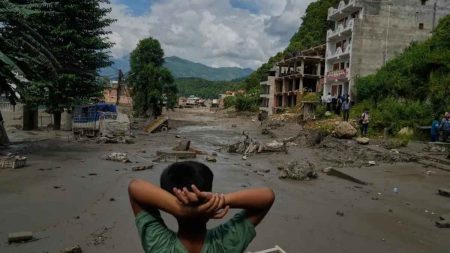
This balancing act demands gab instead of ghosting. Nepal quits least-developed status this year, losing cheap aid; glaciers melt, floods brew, jobs hang by a thread. Mr Shah’s green pitch such as climate cash and resilient growth needs megaphones in Davos and Delhi. Mute the man and the money dries up. Who pays? The porters and farmers watching their valleys drown.
The trade-offs bite hard. Mr Shah’s digital dodge kills gatekeeper bias but breeds echo-chamber blindness: his clean-slate crew delivers fast but risks crony seepage. Radical reform such as depoliticising schools and digitising public services could cut bureaucracy nearly in half, but it would also mean job losses and spark anger in entrenched party strongholds. Foreign cash beckons if laws loosen, but locals lose if Chinese grants turn to loans. Incentives rule: Gen Z propelled him for results, not ideology, but their short fuse punishes slips. If streets that cheered now jeer the cycle restarts.
The West cheers disruptors, and Nepal needs delivery. Mr Shah should talk to journalists. Face the BBC, brief the press corps, let barbs fly. It would blunt autocrat whispers, as well as woo wary donors and prove his reforms stick. Equidistant diplomacy works only if neighbours trust the referee; silence reads as sly. On corruption, investigate thoroughly but report transparently: name those involved, freeze their assets and swiftly jail the guilty. Trim ministries, yes, but retrain the sacked, lest idle hands riot. Court investors with tax breaks and sign American pacts for roads that last.
Human nature loves a wrecker. Mr Shah’s rapper fire lit the fuse; now his hush risks snuffing the spark. Nepal has seen saviours before: bold bids, broken promises, back to the bazaar. This quiet man must roar or his loud neighbourhood will roar louder—and swallow him whole. ■