IMAGE VIA MONEY CONTROL
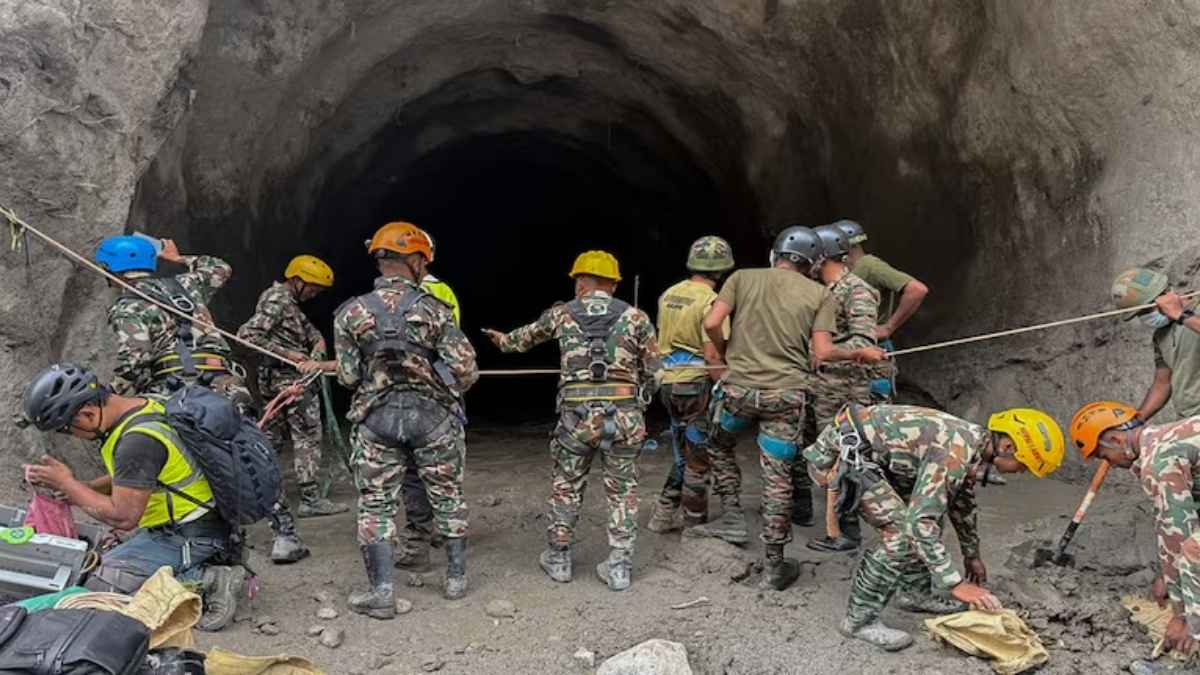
THE FIRST 48 hours after a disaster are when the living are found. After that rescue becomes recovery. By the time Nepali soldiers began blasting through hillsides to reach the hydropower tunnels, that window had long closed.
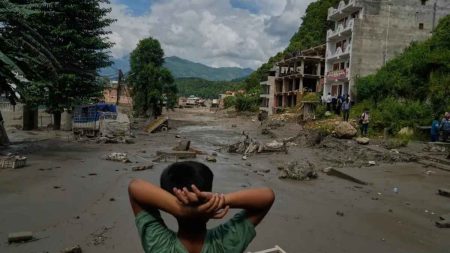
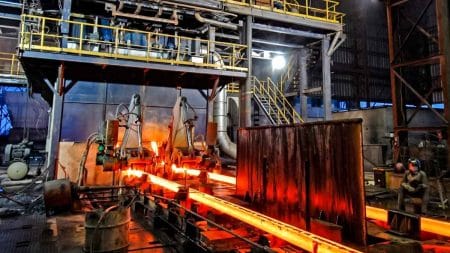
The glacier collapse on the Nepal-Tibet border on August 26th sent a wave of freezing water, rocks and debris down the mountains. It smashed into villages, wiped out roads and bridges, and buried workers inside hydropower projects along the Trishuli and Bhotekoshi river corridors. As of September 1st, the confirmed death toll in Nepal stood at 939. More than 4,200 people remained missing. Among them were 933 workers at 11 hydropower projects or so. Hundreds were trapped inside tunnels.
The Nepali Army has rescued some 279 people from the hydropower sites. Two hundred and fifty-four came from Upper Trishuli-1 alone. Nine from Mailung Khola. Two from Rasuwagadhi. Two from Upper Trishuli-3B. That is 279 lives spared.
But 573 workers at Upper Trishuli-1 alone remained out of contact as of Monday evening. The tunnels that were supposed to carry water now carry mud. The army has used controlled blasts, excavators and searchlights to clear the debris. They have pulled three bodies from two tunnels. The rest remain buried. This happened because the government put pride ahead of speed.
On August 28th, two days after the floods hit, Nepal turned down offers of search-and-rescue teams from India, China, the United States, Britain, Japan, South Korea, Sri Lanka and Bangladesh. The foreign ministry spokesperson said the country’s security agencies were capable of handling the operation. The decision, officials later explained, was influenced by the 2015 earthquake, when 76 international teams created coordination headaches. Kathmandu’s airport became congested. Some teams took days to land. That was a valid concern in 2015. It was not a valid reason to refuse help in 2026, when hundreds of men were entombed in concrete and steel.
The government eventually relented, allowing Indian and Chinese tunnel specialists to assist. An Indian team conducted reconnaissance at the Chilime project and brought pumps and excavators. Chinese teams joined the search at Upper Trishuli-1. But the decision came late. The first 48 hours were gone. The international teams arrived not to rescue but to dig.
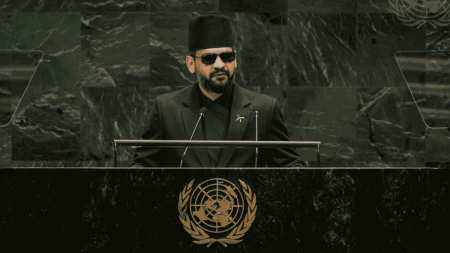
Balendra Shah, a former rapper who swept to power on a wave of Gen Z discontent, has called the floods “unimaginable and heartbreaking”. He has said the country is moving forward “with determination”. He has mobilised nearly 21,000 security personnel.
On paper the response looks substantial. On the ground, it has been slow. Former prime minister Madhav Kumar Nepal, no friend of the current administration, put it like this: the government is not moving fast enough. “There is a complaint that the government is not moving fast in many of the things,” he said. He pointed to the lack of administrative experience among the new ministers. That inexperience has now cost lives.
Some rescues have offered brief relief. A six-year-old girl, trapped in mud with only her head above the surface, was pulled out on Friday and reunited with her parents. A hydropower worker named Shibu Giri was rescued after a helicopter crew tried three times to pull him from the waist-deep mud. But these are exceptions. For every Giri, there are hundreds who have not been found.
The bodies that have been recovered are being buried in mass graves after DNA sampling. Mortuaries are overflowing. More than half the bodies in Chitwan district are “beyond recognition”. The unidentified dead will wait for families who may never come.
The government’s refusal of foreign help in those first days was a display of vanity. The 2015 earthquake offered a lesson, but Shah’s government learned the wrong one. The lesson was not that foreign teams cause chaos: the lesson was that Nepal needs a system to coordinate them. Instead the government chose to go it alone and the trapped paid the price.
More than 10,000 people have been rescued from the flood-hit region. That number deserves recognition. But 4,247 are still missing. The rescue operation continues. The army is still blasting. The tunnels are still blocked. And the first 48 hours, the hours that mattered most, belong to a prime minister who said no. ■