
IMAGE: BIKRAM RAI
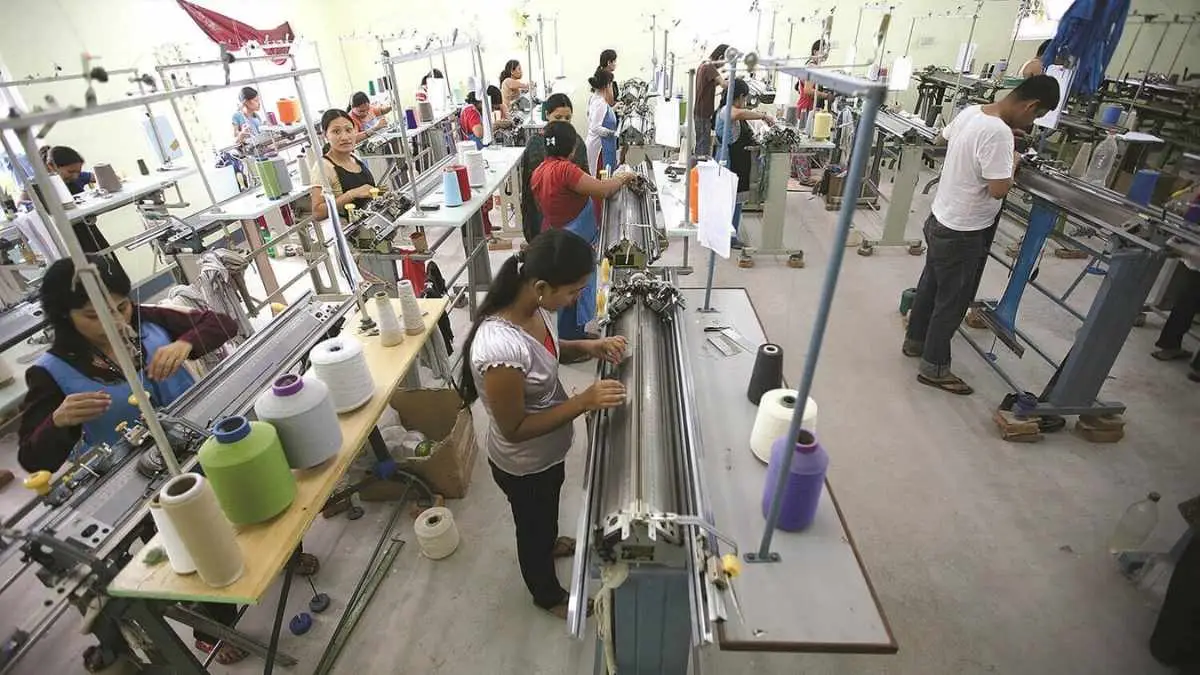
THE HETAUDA textile mill is a monument to a path not taken. For 26 years it sat dead, a hulking corpse of state enterprise, while the Nepal Army now runs test batches through its dusty looms. In that empty building you can read the whole sorry tale of a country that went from farms to shops, hotels and lorries without ever standing on a factory floor. Manufacturing has been shrinking for two decades. Industry is about 12% of GDP. The good news, if you want it, is that the factory floor is shut to everyone.
That is the convenient narrative now peddled by development economists: countries can pull in modern plants, plug into global supply chains and sell abroad without hiring the crowds. Mexico is a manufacturing beast wired into North America, yet the gains inside its export plants have barely leaked out. Ethiopia chased factories hard and got more manufacturing jobs, but in small, weak firms, not the giant transformation that built East Asia. Dani Rodrik spent years telling countries to build factories. Now he says stop. Improve the shops, the buses, the hotels, the building sites. That is where the jobs are. Fine. Then comes the sum nobody wants to do.
A sector’s headcount is a race between how much each worker makes and how many people want to buy the thing. Productivity is not a jobs policy. A shop that doubles its takings per assistant and keeps the same queue of customers ends up with fewer assistants. That is no theory. That is a rota. Factories did something extra: they made customers. When millions left low-yield farms for a wage, they bought shoes and bus tickets. They rented rooms, paid school fees, ate in cafés and fixed bicycles. The wage paid inside the factory became custom outside it. Shopkeepers, drivers and mechanics who never touched a machine lived off that money.
The trick needed four things at once: big markets, fast output growth, steady wage work for people with little schooling, and demand yanking up with output. Knock out one leg and the whole thing falls over. Services might pull the same trick. A modern restaurant that pays better than the street stall it replaced puts more money in a pocket, and some of that money goes on other modern services. Matthew Schwartzman has written up that loop. Nice. The problem is starting it.
A government cannot decree that shops get better. It can pay for training, cheap credit, management advice or a platform. Twenty years of testing says the returns are dismal. Training helps a bit and mostly helps the people who were already good. Microfinance lifts profits for businesses that were already profitable, then drags in new ones that are not. Small shopkeepers who get more productive rarely hire anyone, because most of them are behind the counter for want of a better wage, not because they are hiding a business plan. Nepal’s Educated Youth Self-Employment Loan is exactly this. By mid-May 2025 it had reached 75 people. It handed out Rs36.22m. About a third of it has not come back.
Artificial intelligence might make a nurse or a shop worker produce more. Whether it puts more people on the payroll depends on whether the money turns into demand. A fat share of the winnings from the models, the servers and the data will land with owners abroad. That kills the channel early. Robots tell the same story. Tasks get shuffled. Total jobs barely move.
So change the question. Stop asking which sector employs the most people today. Ask which activity drags everyone else up with it. Premium farm exports are one answer. Uruguayan beef sold to China in the 2010s made work for truckers, warehouses, banks and repair crews. Firms that never sold a kilo of beef made the most money. Nepali hill produce sold as a certified premium crop would need cold stores, testing labs, credit and freight before it could do the same. Fancy manufacturing can do it too without hiring many people. A drug plant may never employ thousands, but it buys engineering, haulage and parts from people who do. The point is what the business spends instead of how many badges it hands out at the gate.
Nepal already has a giant pile of demand: money wired home from abroad. It keeps the shops open and the currency steady. Then a fat slice of it flies straight back out as imports, because Nepal does not make what its own households buy. The cash lands. The jobs land somewhere else. Delivery matters too. The Nagdhunga–Sisnekhola tunnel opened after 80 months. It was supposed to take 42. A country that cannot finish a tunnel on time cannot run a cold chain or a freight corridor. Same offices, same habits, same result.
So the fight about whether Nepal can skip the factory is a waste of breath. Nepal did not skip it. Nepal never turned up. The question that matters is which business can raise output, pay a wage and turn that wage into custom for other Nepalis. Until something does, the queue at the labour office will keep moving. Last year it stamped 792,187 approvals. That is not a jobs strategy. That is a departure lounge with a queue. ■





