IMAGE: ALDAR
ABU DHABI has spent decades accumulating wealth. It is now finding ways to persuade the people who own it to live there. In the first nine months of 2026, foreign direct investment in its property market reached AED17.22bn, already more than double the AED8.2bn recorded during the whole of 2025. The investors came from 121 nationalities. For a city built on oil revenues and sovereign capital, the arrival of private international money marks a change in its ambitions.
Britain, China, Russia, America, France and Germany were the leading sources of investment, according to the Abu Dhabi Real Estate Centre (ADREC). The wider property market recorded AED171.26bn in transactions during the same period, a 76.1% annual increase. Foreign investment in designated investment zones reached AED86.11bn, up 131% from a year earlier. These figures measure different categories of investment and should be treated separately. Together, they show how rapidly international capital is entering the emirate.
The appeal begins with the tax system. The UAE levies no personal income tax, giving entrepreneurs and investors an attractive place to establish a residence. Individuals holding property as a personal investment generally fall outside the federal corporate-tax regime on their real-estate investment income. Tax obligations in their home countries can still apply, depending on their residency status and national rules.
Residency is another attraction. Abu Dhabi’s Golden Visa programme offers qualifying property investors a ten-year residence permit, subject to ownership and eligibility requirements. The ability to establish a long-term home for a family adds practical value to a property purchase. For wealthy individuals who divide their time between financial centres, Abu Dhabi offers a base in a country with extensive international connections.
The city is also giving them a reason to conduct business there. Abu Dhabi Global Market (ADGM), the financial free zone covering Al Maryah and Al Reem islands, has expanded rapidly. In the first half of 2026, its assets under management grew by 54% year on year. Its workforce reached 49,027, while active licences climbed to 13,974. The number of fund and asset managers increased to 190.
These figures matter to the property market. Financial institutions bring bankers, lawyers, investment professionals and senior executives, many of whom need homes close to their workplaces. Some rent initially; others buy once they establish roots. The expansion of ADGM is creating a pool of potential buyers with international incomes and considerable purchasing power.
Abu Dhabi’s sovereign wealth institutions add another source of economic activity. The Abu Dhabi Investment Authority, Mubadala and ADQ manage or deploy capital across international markets. Their investments help attract businesses, technology firms and specialist workers to the emirate. The city is gradually turning its position as a global capital allocator into demand for housing.
Its residential market offers several propositions. Saadiyat Island attracts buyers seeking beachfront homes close to the Louvre Abu Dhabi and the Cultural District. Knight Frank recorded average apartment transaction prices of AED43,100 per square metre there in June, following annual growth of about 21%.
Yas Island appeals to families and investors drawn to entertainment and waterfront living. Apartment prices increased by approximately 18% in the year to June, according to Knight Frank. Al Reem Island offers a different proposition: proximity to ADGM, established residential towers and access to the city centre. It recorded AED29.86bn in property transactions during the first nine months of 2026, the highest value among Abu Dhabi’s districts.
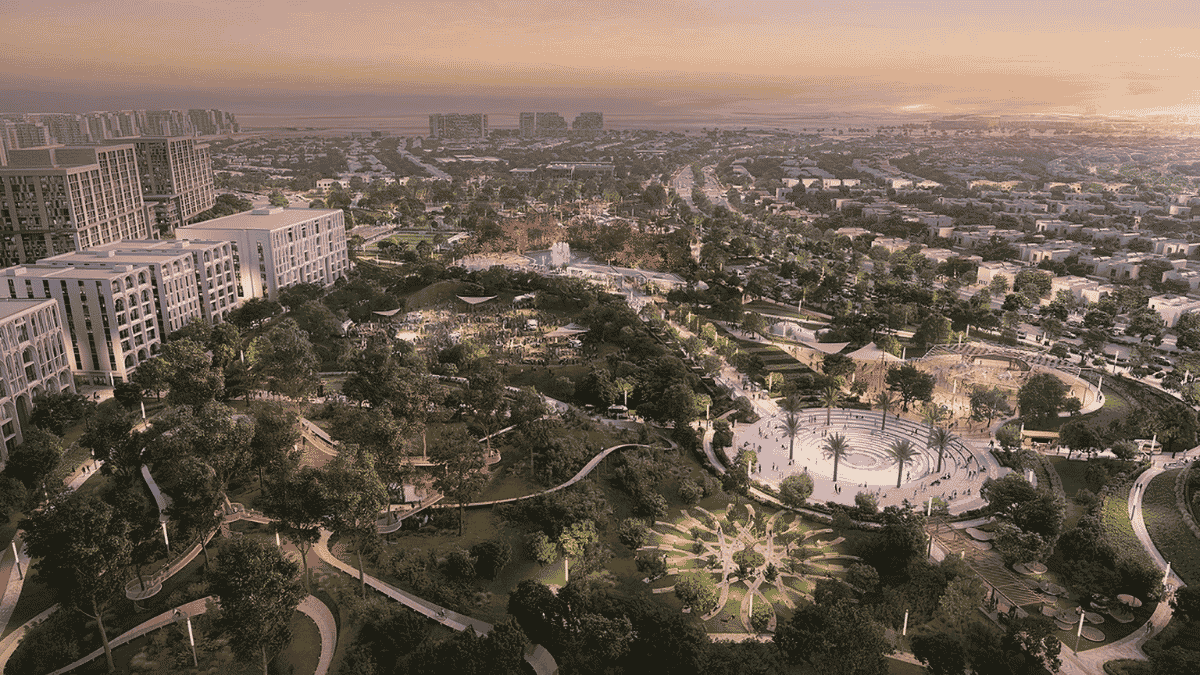
New developments are extending the choice. Modon’s Hudayriyat Island is attracting attention through its residential, sporting and leisure facilities. Aldar’s Fahid Island is being developed around beachfront living and wellness. Saadiyat and Yas are also receiving fresh residential supply, giving international buyers access to new homes with contemporary facilities and established developers.
Price is another consideration. Knight Frank, a British property consultancy, estimated that Abu Dhabi residential prices were, on average, about 10% below Dubai’s in its summer 2026 review. That difference gives buyers an alternative to Dubai’s established luxury market, while Abu Dhabi offers access to government institutions and financial services, as well as a growing cultural scene.
The boom carries its own risks. Knight Frank estimates that approximately 36,900 homes are under construction for delivery between 2026 and 2030. Apartments account for 66% of the pipeline, with Yas Island alone expected to receive around 7,700 units. If supply arrives faster than population growth, investors could face greater competition for tenants and resale buyers. A prestigious address and a successful launch offer little protection against an unsuitable purchase price.
Abu Dhabi has also improved its property-market transparency. JLL’s 2026 Global Real Estate Transparency Index placed the emirate 33rd worldwide, eight positions higher than in 2024. Better access to market information and stronger regulation will matter as overseas buyers commit larger sums.
Abu Dhabi has spent decades accumulating wealth. Its next ambition is to make the owners of that wealth feel at home. ■