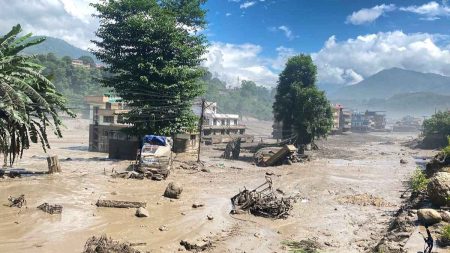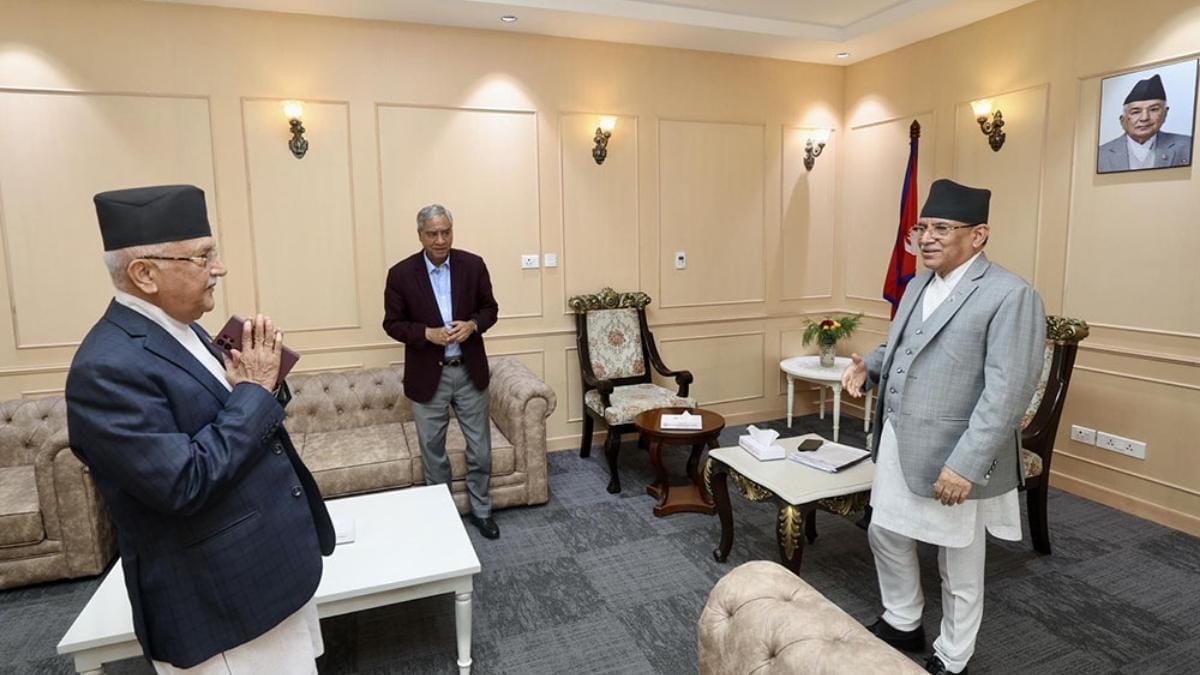
On September 8th and 9th, police under the authority of KP Sharma Oli’s government fired live rounds into a crowd of mostly young demonstrators near Nepal’s federal parliament. Nineteen were killed that day; the toll rose to 75 as chaos spread. The protests had begun peacefully, focused on corruption and censorship. The decision to use lethal force—condemned by the National Human Rights Commission as avoidable and poorly managed—has set in motion a chain of accountability measures without precedent in Nepal’s democratic era. A judicial commission has now frozen the passports of Mr Oli and four senior officials, confining them to the Kathmandu Valley while investigators probe their role.
Simultaneously, the Department of Money Laundering Investigation has opened files on two other former prime ministers, Sher Bahadur Deuba and Pushpa Kamal Dahal, as well as a former energy minister, Deepak Khadka. Their houses were ransacked and set ablaze during the protests, and viral videos appeared to show bundles of cash going up in flames. For years allegations of unexplained wealth had swirled around both men. Deuba’s family has been linked to contract manipulation and land deals; Dahal faced charges of embezzling combatant allowances after the Maoist insurgency. None had faced sustained investigation until now.
These two cases—deadly repression on the streets and unexplained riches in the homes of political grandees—are different faces of the same crisis. They show how impunity has functioned as Nepal’s organising principle since the end of monarchy in 2008. Political leaders traded power through coalition pacts while institutions atrophied. Corruption was tolerated as the price of stability. Protests flared periodically but rarely altered incentives at the top. What distinguishes the Gen Z revolt is the combination of scale, brutality and digital evidence. Smartphones captured both the shootings and the burnt cash, generating proof that is harder to dismiss and a constituency unwilling to forget.
The interim government led by Sushila Karki has sought to channel outrage into institutional processes. It has reattached the National Investigation Department to the Home Ministry and restored financial oversight bodies to the Finance Ministry. It has appointed a judicial commission with sweeping powers. Yet credibility is fragile. Police took three days to secure the torched houses. Forensic teams arrived only after 12 days, raising suspicion of evidence tampering. Past commissions in Nepal have produced reports that gathered dust once political bargains resumed. The risk is that entrenched parties will again blunt accountability by branding it as vendetta, as Mr Oli’s party has already begun to do.
For policymakers, the imperative is to entrench rules before political momentum fades. That means empowering investigators with statutory independence as well as mandating lifestyle audits of public officials and equipping forensic bodies to analyse digital and financial trails in real time. International partners should tie aid and investment to measurable improvements in rule of law rather than rhetorical commitments. Nepal’s political elite has historically calculated that scandal is survivable and exile optional. The suspension of passports and scrutiny of assets must signal a new equilibrium where neither is assured.
The path ahead is treacherous. Overzealous prosecution risks deepening factional divides while timidity will squander the rare convergence of public anger and institutional resolve. Yet the choice cannot be evaded. A republic that fails to account for 75 dead protesters and unexplained fortunes at the top forfeits legitimacy at home and abroad.
A political class that once thrived on impunity is now discovering that its survival may depend on accountability. The state must seize this chance to prosecute the corrupt. ■