PHOTO: JACK TAYLOR/AFP/GETTY IMAGES
SOUTH ASIA’S economies are racing to meet two defining pressures of the modern era: the hunger for vast computing capacity and the shift to cleaner energy. Meeting these goals calls for enormous sums to finance datacentres, solar parks and grid upgrades. Traditional lenders—banks and public markets—struggle to supply funding at the needed scale. Into this shortfall moves the private-credit fund.
Private-credit firms channel money raised from institutional investors, including pension funds and insurers, straight to companies or projects. The sector forms a modest yet rapidly expanding corner of global finance. In Asia assets under management total about $86.5bn, according to the OECD. Only a fraction sits in South Asia, though the headroom is substantial. India-focused private-debt funds already oversee roughly $25-30bn. Infrastructure financing needs across the region dwarf that figure.
The assignment is formidable. Take datacentres. Global technology giants are pouring funds into South Asia. Google has pledged $15bn for an artificial-intelligence hub in India. Such complexes consume huge volumes of dependable electricity and depend on sturdy digital and physical networks. At the same time renewable-energy schemes and grid upgrades press forward with urgency. Analysts at BloombergNEF chart a worldwide rise in energy-transition spending, a surge South Asia must harness.
These ventures share traits that deter conventional lenders. Construction unfolds in phases, with capital injected in tranches over extended periods. Returns accrue slowly. Structures are bespoke, built around intricate contracts for power sales or server capacity leases. Banks prefer standardised loans that can be syndicated. Public markets prize liquidity. Both hesitate.
Private-credit funds prove more flexible. Complexity suits them. They assemble loans with customised repayment timetables and covenants. Their investors—insurers and pension funds—carry lengthy liabilities, allowing managers to supply patient capital aligned with long-duration assets. They act swiftly, giving developers funding certainty. Returns rest on contracted cashflows, such as power-purchase agreements or datacentre leases, providing yields less exposed to stockmarket swings.
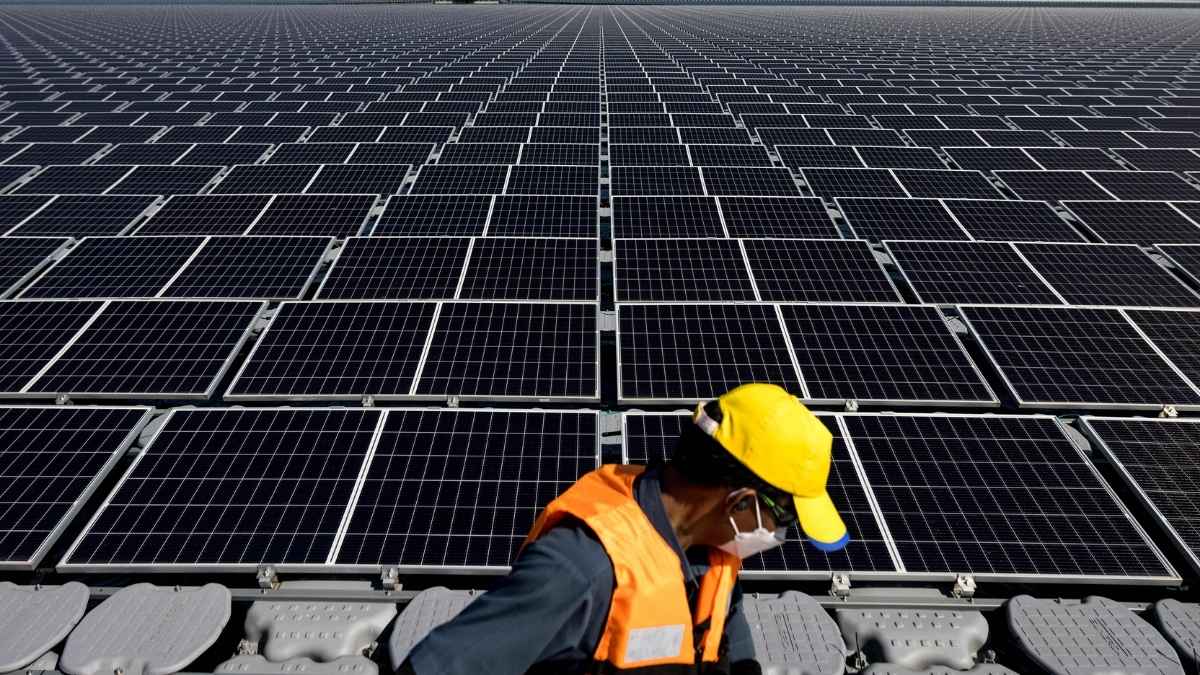
Expansion across South Asia is likely to cluster in several niches. Datacentres top the list. Renewable energy and storage follow, especially smaller projects too intricate for large banks. Grid upgrades and microgrids, each with local revenue streams, present another opening. In these segments private credit can furnish structured finance that carries a project from launch to steady operation.
Capital stands ready. Institutional investors seek income and assets aligned with future payout obligations. Asian money that once travelled to private-credit vehicles in America and Europe increasingly stays within the region. Development-finance institutions and sovereign-wealth funds can deploy blended finance, absorbing the riskiest tranche of debt to entice private lenders.
Hazards persist. Currency volatility can upend project economics. Governments may shift regulations or stall approvals. Cost overruns and delays plague large infrastructure builds. The loans themselves lack liquidity, limiting secondary sales. Hedging tools, political-risk cover and prudent structuring reduce exposure yet cannot erase it.
For private credit to gain firm footing in South Asia, policymakers and investors can pursue practical measures. Fund managers benefit from local teams able to source and supervise projects. Governments and development banks can expand blended-finance programmes to crowd in private capital. Template contracts for standard ventures, such as solar farms, would lower transaction costs. Regulators could encourage domestic pension funds and insurers to allocate capital, aligning local savings with infrastructure investment.
South Asia’s transformation calls for fresh financial muscle. The region must construct assets suited to a more digital and cleaner era. Public budgets fall short. Banks shoulder heavy constraints. A new cadre of lenders arrives with specialised tools. They could supply the bridge the region seeks. ■