Image: Reuters
IN THE FIELDS of Madhesh province, the soil tells a confusing tale. Dig a few inches down and you might find the parched, cracked earth of a historic drought. Look at the surface, however, and you are likely to see the silt and debris of a catastrophic flood. For Nepal’s farmers, 2025 has been a year of whiplash. They have been battered by a climate that has forgotten the meaning of moderation, swinging violently from desiccating heat to drowning deluge. The fallout is a bad harvest as well as the breakdown of an agricultural system that feeds 30m people.
The Terai plains, a strip of flat, fertile land running along the southern border with India, are the country’s grain basket. Historically, they have provided the surplus rice and wheat that power the national economy. But this year the basket is empty. Data from the Ministry of Agriculture and Livestock Development suggest that the region is transitioning from a zone of production to one of chronic insecurity. The crisis is a “silent emergency”, drowned out by political noise in Kathmandu, but the numbers are screaming.
The disruption began with a winter of silence. Between January and May, the western skies, usually the bearer of moisture-laden westerly winds, remained stubbornly clear. In districts like Dang, wheat crops—which sustain families through the lean months—withered in the fields before they could mature. Farmers reported a “failing state” of crops, with stalks drying into straw long before harvest.
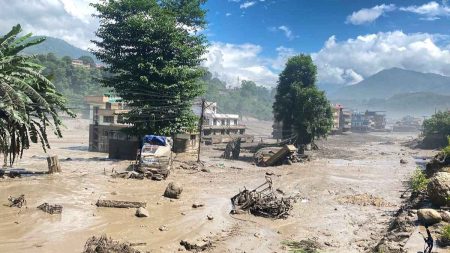
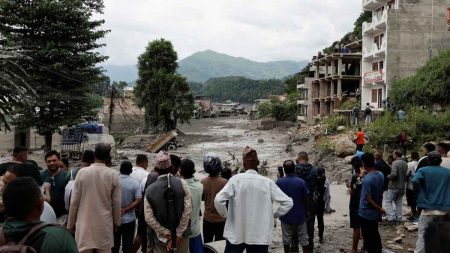
Then came the monsoon, or rather, the lack of it. By July, when the paddy fields should have been lush green carpets of young rice, transplantation rates in Madhesh Province had collapsed to 51.8%, compared with 92% a year earlier. A “slow burn” meteorological drought had taken hold. Just as farmers were abandoning hope, the skies finally opened—too late and too hard. In October, Cyclone Montha, a storm system that had barrelled through the Bay of Bengal, dumped torrential rain on the harvest-ready crops that had survived the dry spell. The government estimates that these unseasonal rains alone washed away Rs3.5bn ($26m) of produce.
The immediate impact is a projected shortfall of up to 450,000 tonnes of rice from Madhesh alone. For a country that relies on imported staples, this shortfall is a disaster. It further forces Nepal to turn to India, its giant southern neighbour, for imports. But India has become increasingly protectionist, imposing tariffs and bans on rice exports to secure its own domestic supply. Nepal is finding that its old reliance on Indian surpluses is a strategy of diminishing returns.
Below the surface, a more permanent crisis is brewing. The Terai’s hydrological buffer, that is: its groundwater, is failing. In agricultural hubs like Barahathwa (a municipality of Sarlahi District), 73% of wells tap into shallow aquifers that are now seasonally empty. Farmers are being forced to drill deeper, often topping 100 feet, which needs heavier pumps and expensive imported diesel. This spike in input costs, combined with crashing yields, has destroyed the solvency of the smallholder. In Sarlahi, farmers who typically sell 70 quintals of rice a year reported zero surplus in 2025. They have become net buyers of the grain they used to sell.
Even the rivers are behaving strangely. The Karnali, a lifeline for the western Terai, is changing its course, drying up its eastern Geruwa branch. This geological twitch has left traditional irrigation intakes high and dry and threatens the biodiversity of the Bardiya National Park. Meanwhile the stress on crops has opened the door to biological invasions. Tuta absoluta, a tomato leaf miner from South America, has devastated vegetable yields in the Kathmandu-Terai supply chain, while invasive weeds like Mikania micrantha are choking the biodiversity that acts as a natural pest control.
The human reaction to this systemic collapse is flight. Faced with the “double burden” of erratic weather and debt, able-bodied labourers are leaving the land in record numbers, for abroad. Villages are being emptied of their workforce, leaving the elderly to tend to fields that require ever more intensive labour to remain productive.
For many decades policymakers in Kathmandu have treated the Terai as an inexhaustible resource. The events of 2025 prove that this complacency is not tenable anymore. Without a rapid pivot to drought-tolerant crops and deep-aquifer management, the “grain basket” risks becoming a dust bowl. The warning signs are no longer just forecasts. They are written in the mud and dust of the southern plains. ■