Image via Nepal News
In Kathmandu bankers are currently suffering from a complaint that is rare in the developing world: they have too much money. For an economy frequently bedevilled by liquidity crunches and balance-of-payments deficits, the figures from the first quarter of the fiscal year are startling.
Foreign-exchange reserves have swollen to record highs, enough to cover more than 16 months of imports—more than double the target. Remittances, the lifeblood of the Himalayan economy, have surged by over 35%. Yet walk into a banking hall in the capital, and the mood is dour. The vaults are full but the lending windows are silent.
Also read: The governor and the economy that forgot how to grow
This trouble defines the current predicament of the Nepal Rastra Bank. The central bank is doing exactly what textbooks suggest when faced with a sluggish economy. With inflation collapsing to a mere 1.67%, well below the 5% ceiling, and food prices actually sinking, the monetary authorities have embarked on a cycle of easing. In its first-quarter review, the NRB slashed its key policy rate to 4.25%, the second cut this year, bringing the total cut to 0.75 percentage points. By making money cheaper, the bank hopes to cajole businesses into borrowing and building.
The economy, however, is not listening. Notwithstanding the central bank’s generosity, private-sector credit grew by a lethargic 1.5% in the first three months of the fiscal year. Year on year growth is at 7.3%, barely half the 12% target. The problem is not the supply of capital but the demand for it. The interbank rate, a gauge of liquidity stress, has drifted down to 2.58%, suggesting that banks are awash with cash they cannot profitably deploy.
Several factors explain this reticence. The first is a crisis of confidence. A wave of “Gen-Z protests” in early September—political unrest driven by a younger generation frustrated with governance—has rattled the commercial sector. Businesses are loath to take out loans to expand when the streets are unpredictable. The central bank has been forced to step in with regulatory band-aids, offering loan restructuring and wage-payment facilities to keep firms afloat until mid-January.
Nature has been equally uncooperative. A delayed and destructive monsoon unleashed floods and landslides, devastating paddy fields and disrupting supply chains. Although this destroyed wealth, it curiously did not stoke inflation, largely because the prices of lentils, spices and vegetables have plummeted from previous highs. But for an agrarian economy, the damage to the harvest is a drag on growth that lower interest rates cannot fix.
There is also the matter of fiscal lethargy. In Nepal government spending is the engine that usually pulls the private sector along. When the state builds roads, contractors borrow money. Yet in the first quarter, while the central bank was trying to press the accelerator, the finance ministry had its foot on the brake. Capital expenditure was a paltry Rs1bn, and government revenue growth was flat. Without the stimulus of public spending, the private sector sees little reason to invest.
Consequently, the banking sector’s health is beginning to fray. Non-performing loans have crept up to 5.26%, a worrying tick upward from 4.42% a year ago. The rot is deepest in microfinance, where borrowers are most exposed to the vagaries of agriculture and local markets. The NRB has responded here too, raising loan limits and offering relief to disaster-hit districts, but these are defensive measures rather than drivers of growth.
The one bright spot is the stock market, which the central bank is explicitly trying to woo. By removing caps on share-backed loans and trimming mandatory holding periods, the NRB has signaled that it wants asset prices to rise, perhaps hoping for a wealth effect to trickle down. Hydropower, too, continues its slow march, adding 309mw to the grid, though its financial rewards are seasonal.
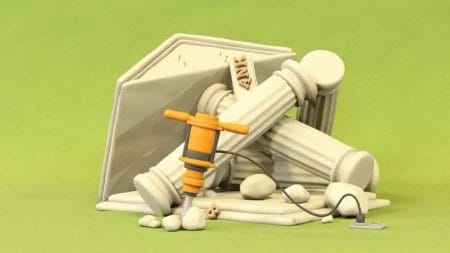
The NRB finds itself in the classic position of pushing on a string. It has successfully secured external stability; the balance of payments is in a healthy surplus. It has tamed prices. But monetary policy is a blunt instrument for fixing structural malaise. Until political stability returns and the government begins to spend its own budget, cheaper money will simply pile up in the vaults. The central bank has opened the door, but it cannot force the economy to walk through it. ■