IMAGE: PAOLO RICCARDO CARRARA
A CENTRAL banker’s life is typically a struggle against scarcity, say, of foreign exchange, or of price stability. In Kathmandu, however, the governor of the Nepal Rastra Bank (NRB) is facing the opposite dilemma: an embarrassment of riches. By mid-December 2025, Nepal’s foreign-exchange reserves had swelled to a record $22.13bn, sufficient to fund almost two years of imports. For a poor economy that usually frets about the dearth of dollars, that is a fortress. Yet within these walls, the domestic economy is barely moving.
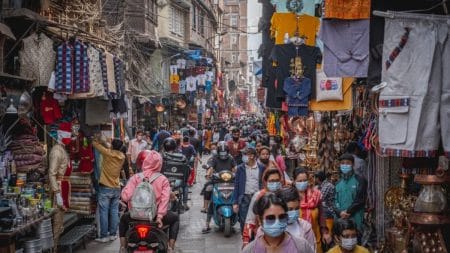
The clearest sign of this domestic lull is the collapse of inflation. A year ago consumer prices were climbing at 6.05%; today they have withered to just 1.63%. Elsewhere, such a fall might be hailed as a triumph of sound monetary policy. In Nepal it suggests trouble. Food prices have tumbled by over 2%, driven by surpluses of vegetables and spices. True this eases the burden on urban households, but it also signals weak domestic demand. When spending stalls, prices stall, too.
- Nepal’s economy braces for another shock, and this time it will pay itself
- Nepal faces economic headwinds in 2026
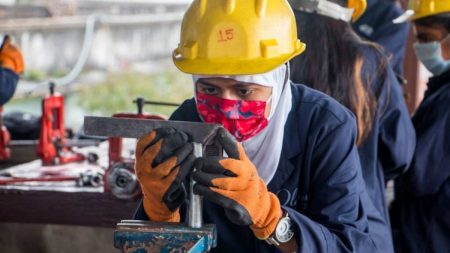
The engine behind that financial abundance is not a factory or a start-up, but Nepali workers abroad. Remittances have yanked up by 35.6% in the first five months of the fiscal year, funneling Rs870bn into the country. This river of cash, largely from the Gulf and South-East Asia, has pushed the current account into a giant surplus of Rs358bn. It is an unusual model of development: Nepal exports its most energetic citizens and, in exchange, imports enough foreign currency to keep its currency pegged and its bank’s vaults overflowing.
The banks, however, are finding it difficult to put this money to work. Interest rates have plummeted but the private sector is not biting. Credit growth is anaemic, expanding by a paltry 1.9% over the last five months. The caution is mutual. While businesses are hesitant to expand, lenders are haunted by a rising tide of bad debts. The non-performing loan ratio has climbed to 5.26%, a level that usually triggers nervous coughs in regulatory meetings. At institutions like Himalayan Bank, the figure has crossed the 7% threshold, reflecting a hangover from a previous era of aggressive lending and perhaps the disruptive impact of the “Gen-Z” protests that rocked the country’s urban centres in September.
Those protests, which inflicted physical damages estimated at Rs84bn, have left a mark on the national psyche. They have also contributed to a fiscal paradox. The government is sitting on a cash balance of Rs253bn at the central bank, yet its capital expenditure (the money meant for the roads, bridges and power lines the country desperately needs) remains stubbornly low. It is a classic case of a state that can collect revenue but cannot seem to spend it efficiently.
Even the bright spots in trade come with caveats. Even though exports have grown by 58%, the gains are concentrated in the re-export of processed oils, such as soyabean and palm oil, which rely on shifting tariff differentials with India rather than a real competitive advantage in manufacturing. Meanwhile, the decline in imports of construction materials suggests that the country’s building sites are quiet.

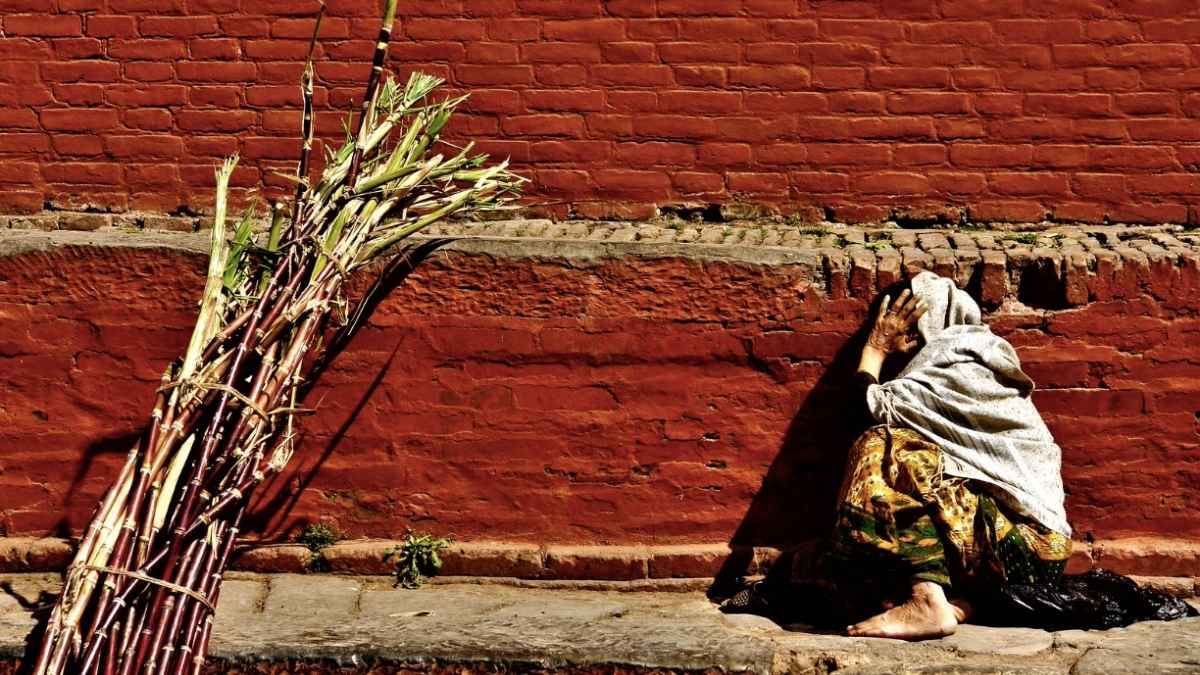
Nepal has successfully built a macroeconomic sanctuary, but a sanctuary is a place where one hides not where one grows. The country has the cash, the low prices as well as the stability to launch a recovery. What it lacks is the domestic confidence to move that capital from the vault to the high street. Growth will slip to 2.1% this fiscal year (see chart), reckons the World Bank, propped mainly by remittances and hydropower. In the meantime the most successful Nepali export remains the one that travels on a passport. Policymakers in Kathmandu may have filled the piggy bank to the brim, but they have yet to find the key to open it. ■