PHOTO: FRANCK ROBICHON
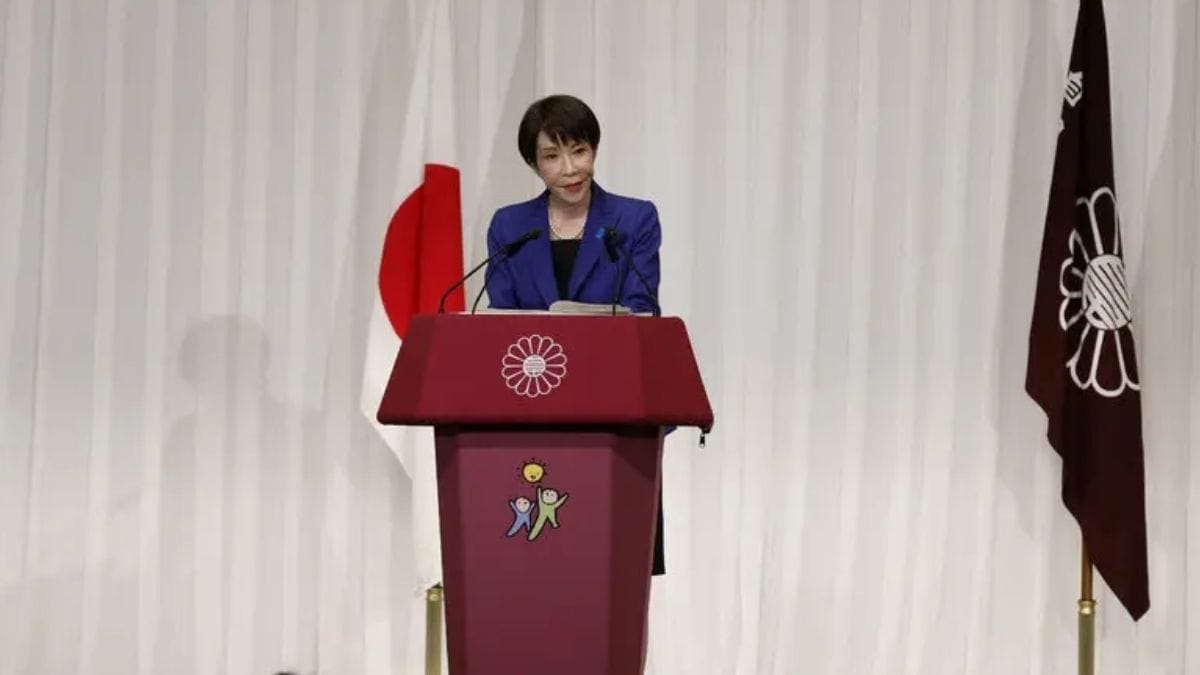
STOCK TRADERS named it after her before she had even won. The “Takaichi Trade”—betting on a weaker yen and booming Japanese shares—kicked into higher gear on February 9th. The Nikkei 225 index climbed nearly 4% after Sanae Takaichi’s Liberal Democratic Party (LDP) secured a stunning 316 seats in the 465-member lower house. Investors read the landslide as a mandate for her economic agenda: ultra-low interest rates, record fiscal spending and state-led creation of corporate “national champions” in strategic sectors like semiconductors and artificial intelligence. Shares in chip-equipment maker Advantest jumped 11.5%. Defence contractor Kawasaki Heavy Industries soared by 15%.
The market’s euphoria shows the short-term consequence of Ms Takaichi’s gamble. Last summer the LDP was adrift, rocked by scandal and stripped of its majority in both parliamentary chambers. Her populist rhetoric on immigration and the cost of living, combined with lavish spending pledges, has resurrected the party. Her personal approval ratings, around 60%, dwarf those of the LDP itself. She saved them. Now she owns them.
That ownership grants her a supermajority powerful enough to override the upper house, where the LDP still lacks a majority. This unlocks two projects. The first is her economic programme. The second, far more consequential, is revision of Japan’s American-drafted constitution, which has never been amended. The document’s famous “peace clause”, Article 9, renounces war and limits military capacity. For decades rewriting it has been a cherished goal for LDP nationalists, including Ms Takaichi’s mentor, the late Shinzo Abe. She now possesses the parliamentary numbers to propose an amendment. A public referendum would still be required but the hurdle has never been lower.
Here lies the tension within her victory. The bond market already twitches at the cost of her ambitions. Yields on ten-year Japanese government bonds touched 2.28% after her win, reflecting unease over fiscal sustainability after she floated a suspension of consumption taxes. Funding a military expansion alongside corporate subsidies and social spending would strain the treasury further. Ms Takaichi speaks of “proactive fiscal policy” as a permanent doctrine not a temporary stimulus.
Her supporters argue that a more robust Japan, constitutionally empowered to act as a full military ally, justifies the expense. Geopolitical anxiety runs high. Donald Trump’s return to the White House has questioned American commitments. China’s foreign ministry, reacting to her win, warned Japan to avoid “repeating past mistakes”—a thinly veiled historical rebuke. Ms Takaichi has already angered Beijing by suggesting a Chinese attack on Taiwan could trigger a Japanese response.
The prime minister’s window for transformative action is open, but not indefinitely. Her popularity is personal rather than institutional. The LDP’s old guard, though subdued, awaits any misstep. Voters who backed her for economic relief may balk at the political upheaval of constitutional change. And the Takaichi Trade itself contains a warning. It assumes a perpetually weak yen, which boosts exporters but impoverishes households through higher import costs. Sustaining it means a constant flow of stimulus, deepening the fiscal hole.
Ms Takaichi has rescued her party from irrelevance. Her test is if she can redirect a nation. The constitution is the ultimate prize. Altering it would redefine Japan’s post-war identity. For a leader who styles herself a pivotal break from the past, that is the only legacy that matters. The markets are watching the money. History will watch the document. ■