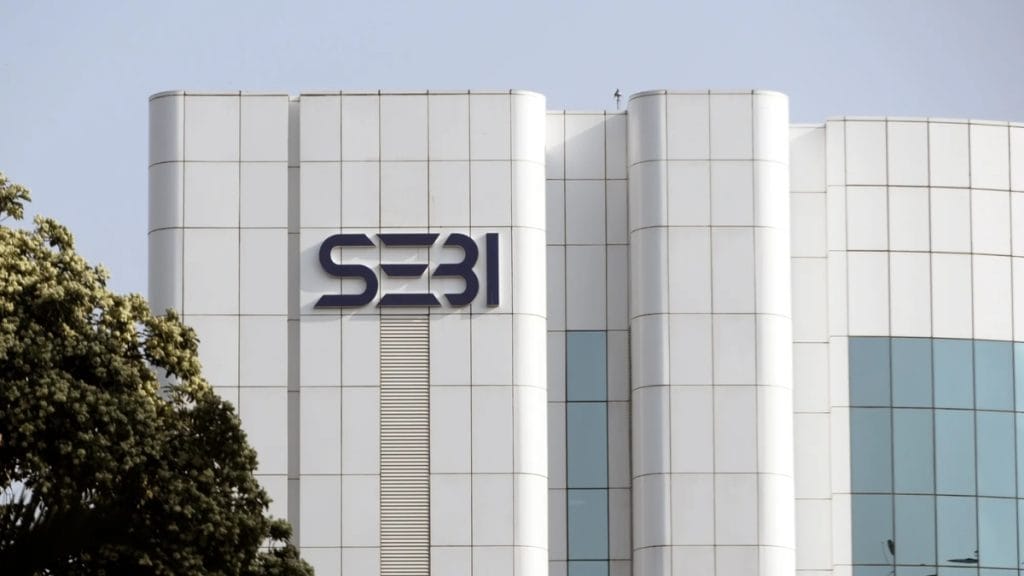
Photographer: Indranil Aditya/NurPhoto/Getty Images
India’s startup ecosystem has become a bright spot in global venture capital, even as the rest of the world cooled. With more than $1bn committed to regulated angel funds, early-stage investing in India is coming of age. Yet the fledgling asset class remains under siege. Policymakers, having buried one regulatory burden, appear eager to birth another.
The so-called angel tax, imposed in 2012 and repealed last year, was a case study in bureaucratic misfire. Ostensibly created to crack down on money laundering, it treated equity investments into startups that surpassed a “fair market value” as taxable income. The fallout was perverse: early-stage founders, whose valuations are based more on potential than present revenue, were forced to hire valuation experts and brace for litigation. The cost of compliance alone could be ruinous, never mind the tax itself. Indian entrepreneurs did not fear failure so much as a summons from the income tax department.
Its abolition is therefore welcome. But before champagne corks could hit the floor, the Securities and Exchange Board of India (SEBI) delivered another regulatory curveball. From 2026 individuals investing in angel funds will need to be accredited, similar to qualified institutional buyers (QIBs). SEBI’s logic is sound in theory. The Companies Act caps private placements at 200 subscribers; treating angel investors as QIBs would exempt them from that limit, allowing funds to scale without a costly shift to public issuance. But the mechanism, requiring investors to get certified by a third party, may achieve the opposite of its intent.
The pool of accredited investors in India is under 700. The figure does not reflect the number of wealthy Indians but rather their reluctance to volunteer documentation that would expose them to further scrutiny. Public memories of overreach like tax notices issued to roadside vendors based on digital payment trails have not faded. In this environment many of those who meet the wealth threshold (20mn rupees in annual income or a net worth of roughly 70mn rupees) would prefer to stay off the radar.
This risks stifling a growing segment of the startup economy. Angel investing is not an elite pastime. It is the risky end of the capital spectrum where personal belief, rather than financial modelling, drives decisions. Unlike public market speculators (nine out of ten Indian options traders reportedly lose money), angel investors contribute capital, mentorship and networks. Many are professionals and second-generation entrepreneurs who see early-stage investing as a means of staying economically relevant. They are not institutions but they are serious.
The regulator does deserve credit in parts. It is mulling changes that would allow funds to increase exposure to promising companies and relax caps on investment size as well as remove restrictions on follow-on rounds. These are structural reforms that could buoy both returns and capital recycling. But the accreditation requirement threatens to narrow the very base it seeks to broaden.
At present angel funds operate under a self-certification model. The thresholds are bearable and disclosure is made only to fund managers. Though imperfect, it has enabled hundreds of investors to participate without undue fear of red tape. Tightening the process may lower instances of under-qualified investors entering risky terrain, but it also imposes a blanket restriction that solves for an ill-defined problem.
India wants to be the world’s startup engine. Yet it continues to treat early-stage investing with the caution usually reserved for speculative gambling. Public markets are rife with retail excess, however it is private risk-takers who face the heaviest scrutiny. The outcome may be an innovation ecosystem starved of its first cheque before it gets anywhere near a Series A. That is a far bigger risk than funding a dud. ■