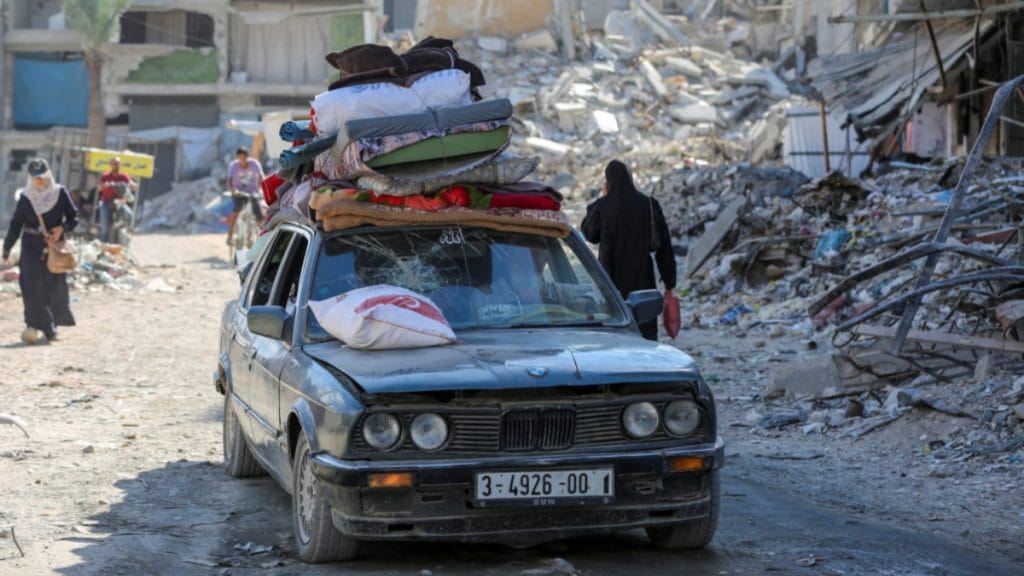
Israel paused its military operations for several hours a day in parts of Gaza and opened a corridor for humanitarian aid. The Israel Defence Forces also air-dropped food supplies, claiming there was no famine, despite acknowledgments from Donald Trump and warnings from the WHO and the UN about severe malnutrition. Jordan, Egypt and the United Arab Emirates joined the effort with their own air-drops. A ceasefire remained elusive.
Britain’s prime minister, Keir Starmer, said his government would recognise a Palestinian state in September unless Israel agreed to a ceasefire and steps towards a two-state solution. Israel’s prime minister, Binyamin Netanyahu, rejected the plan, calling it a reward for terrorism. France, having made a similar declaration, co-hosted a UN conference with Saudi Arabia. The resulting agreement proposed a transitional administration for Gaza under the Palestinian Authority and demanded Hamas disarm. Canada backed the deal. America and Israel declined to participate.
El Salvador’s legislative assembly voted to eliminate presidential term limits, clearing the way for President Nayib Bukele to rule indefinitely. Bukele, re-elected last year and previously set to step down in 2029, has tightened his grip on power by reshaping the judiciary and silencing dissent. Despite concerns over authoritarianism, he retains strong public support.
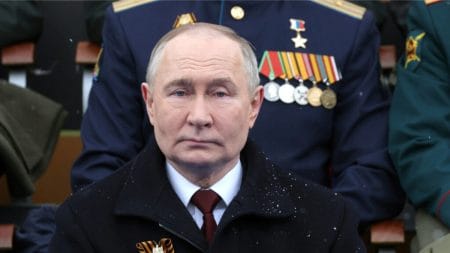
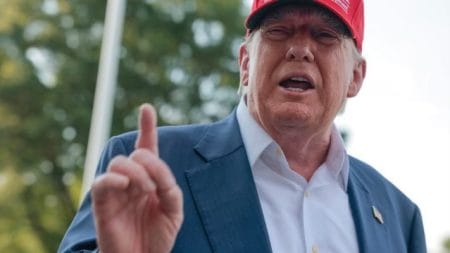
Donald Trump brought forward his deadline for Russia to take steps toward a peace agreement in Ukraine. He warned sanctions would begin immediately unless movement occurred by August 8th. Meanwhile a Russian airstrike on a prison in Zaporizhia killed 16 people.
Elsewhere, Trump escalated tensions with Brazil by imposing sanctions on Alexandre de Moraes, the Supreme Court justice overseeing Jair Bolsonaro’s trial. He also signed an executive order imposing 50% tariffs on Brazilian goods, with key export categories exempted.
Meanwhile America’s Congress introduced a series of bipartisan bills aimed at penalising China for human rights violations, including the repression of Uyghurs and surveillance of diaspora communities. The legislation proposes expanded sanctions and import bans tied to forced labour, alongside new legal tools to combat transnational repression. Lawmakers also condemned the White House’s recent decision to ease restrictions on advanced chip exports, viewing it as a concession to Beijing. A planned congressional visit to Taiwan has further strained relations. While President Trump prioritises trade, Congress is pushing a harder line on China’s human rights abuses and overseas repression.
An earthquake registering 8.8 in magnitude struck off Russia’s Pacific coast, prompting tsunami alerts across the Pacific Rim. No casualties were reported. If confirmed, it will be among the largest earthquakes ever recorded.
Cambodia and Thailand agreed to halt fighting along their shared border after deadly clashes killed over 40 and displaced hundreds of thousands. Each side blamed the other for violating ceasefire terms.
India said its security forces had killed the three men behind the April terrorist attack in Kashmir that killed 26 people. Home Minister Amit Shah said the attackers were affiliated with Lashkar-e-Taiba, a Pakistan-based group. The incident is the deadliest India-Pakistan confrontation in decades.
Taiwan’s president, Lai Ching-te, reportedly postponed a visit to Paraguay after America denied his plane transit through New York. The decision came amid sensitive trade negotiations with China, which strongly opposes any official engagement between Taiwan and America. Taiwan’s foreign ministry denied the trip was planned.
Severe flooding in Beijing killed at least 30 people and displaced more than 80,000. The districts of Miyun and Huairou were among the worst affected. ■