Image: Google
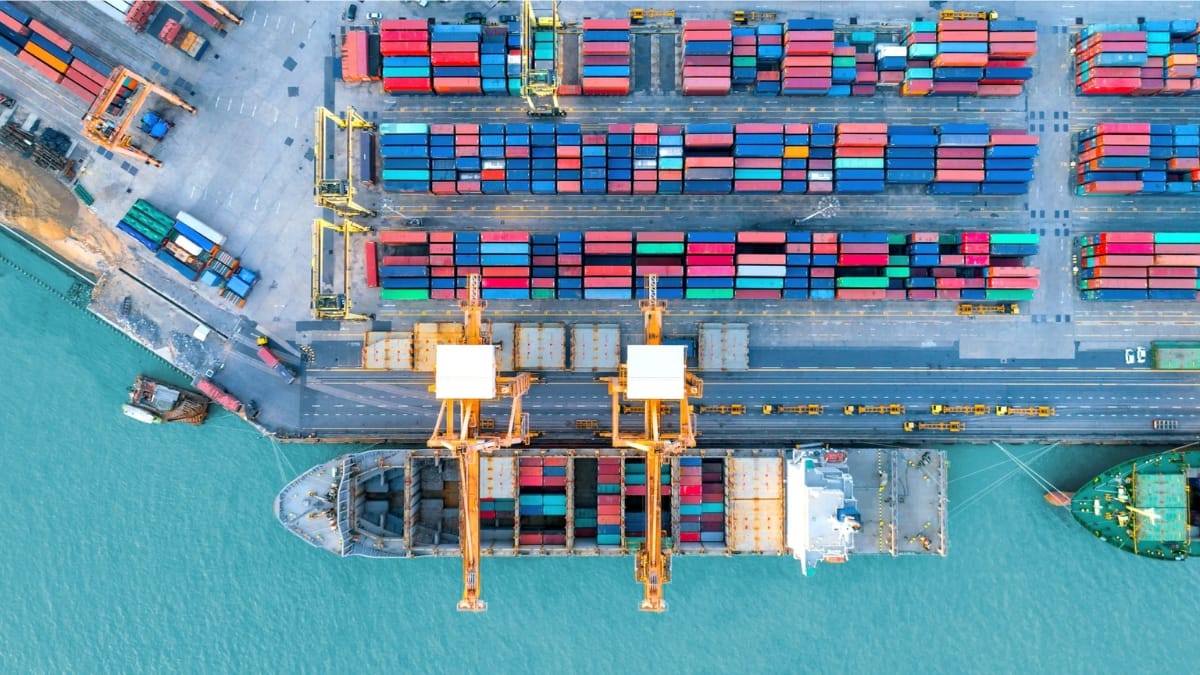
Donald Trump’s expansive tariff increase in nearly a century took effect this week, imposing “reciprocal” duties up to 41% on imports from nearly all countries. India was targeted with an additional 25% duty for purchasing Russian oil, raising the duties to 50%. The measures seek to repatriate manufacturing and leverage trade as a geopolitical tool. Multinationals confront unpredictable, transactional policies that disrupt global supply chains and lift costs for consumers and businesses worldwide.
Meanwhile the Trump administration threatened a 100% tariff on imported chips, with exemptions to firms pledging domestic investment. Apple promptly committed $100bn to U.S. manufacturing. Nvidia also benefited.
OpenAI is reportedly finalising a share sale that would value the company at $500bn, making it the world’s most valuable privately held tech firm. Its annual recurring revenue is $12bn, with projections of $20bn by end-2025. Rival Anthropic, valued at $170bn, is also expanding rapidly, underpinned by rising enterprise AI adoption. Both are lossmaking due to compute costs, but investor appetite remains high.
Palantir posted $1 billion in Q2 revenue, up 48% year on year driven by a 53% bump in U.S. government defence contracts. The company credits AI’s “astonishing impact” on its growth. Its share price has rocketed over 135% this year. Palantir exemplifies AI’s integration into national security and surveillance amid rising geopolitical tensions.
OPEC and allies boosted oil production by 547,000 barrels per day, a fifth consecutive monthly hike. The cartel cited steady global demand forecasts, but oil prices sank as traders doubted growth amid escalating American tariffs. The supply increase, roughly 0.5% of global crude, responds to member fiscal pressures but risks price instability if trade disruptions slow economies.
India’s Securities and Exchange Board (Sebi) demanded reforms after accusing Wall Street firm Jane Street of running a “sinister scheme” in the country’s burgeoning derivatives market. Jane Street was ordered to deposit $560mn pending investigation. Sebi chair Tuhin Kanta Pandey warned of stricter regulations, citing severe retail investor losses despite recent curbs. India dominates nearly 90% of global options volume.
Apollo posted $840bn in assets under management, up 21% year on year, buoyed by market turbulence and investor demand for alternative assets. Fee-related earnings rose 22% to $627bn. The firm attracted $61bn in new capital, capitalising on opportunities from trade war disruptions and inflation. Apollo’s success highlights the expanding influence of private equity and alternative finance as public markets fragment and institutional investors seek stable, diversified returns.
BP announced a major oil and gas discovery at its Bumerangue prospect, 400km off Brazil’s coast. Laboratory analyses will determine commercial viability. The find supports BP’s pivot back to fossil fuels after underwhelming renewable investments. The company also plans to prioritise shareholder returns through cost cutting. Activist investor Elliott Management has pressured BP for sharper focus on hydrocarbons, highlighting tensions in balancing energy transition with financial performance.
Tesla awarded Elon Musk a $30bn stock package conditional on his continued executive role. Musk’s stake rises to 16%. The stock grant shows Tesla’s dependence on Musk despite governance worries. Meanwhile Tesla’s European car sales plunged 60% year on year in July, whereas Chinese competitor BYD leapt. Intensifying competition from lower-cost Asian EV manufacturers is hammering Tesla’s market position and operational stability.
Glencore rejected relocating its primary listing to New York, choosing to remain on the London Stock Exchange. The decision provides a reprieve for the UK market amid a string of recent company departures. The miner also trades in Johannesburg but cited London’s liquidity and investor access advantages. The reaffirmation eases political worries about capital flight, though London’s equity markets face ongoing troubles in attracting and retaining global listings.
Berkshire Hathaway recorded a $3.8bn write-down on its Kraft Heinz investment, the second since 2015. The impairment dented earnings and unsettled investors, compounded by uncertainty over Warren Buffett’s imminent retirement. Berkshire’s shares have tanked nearly 15% since May. Kraft Heinz faces pressure from sliding processed-food demand and margin compression. The write-down exemplifies risks in ageing consumer staples and questions about conglomerate investment strategies in volatile markets. ■