NEPAL DEPENDS on two exports: hydroelectric potential and its people. The first remains latent. The second is embodied in the nearly 2,000 citizens who leave each day to work abroad. Their remittances, worth a quarter of GDP, sustain consumption at home while binding the country to foreign labour markets. It is a model that cushions the present while postponing the future.
Agriculture delivers poor returns. Tourism, though blessed with Himalayan scenery, is throttled by weak infrastructure and climate shocks. Industry is sparse. Nepal finds itself confronting the symptoms of a middle-income trap without having reached middle income. Reform is a necessity. The question is whether a proposed “Vertical Integration Development Framework” can achieve what past initiatives could not.
The idea rests on two convictions. First, that disadvantages like fragile institutions can be recast as strengths. Second, that technology and governance redesign can shore up execution, historically Nepal’s weakest link.
The first phase, running to 2030, centres on credibility. A digital-first state, inspired by Estonia, would automate bureaucracy and trim the petty corruption that vexes daily life. Economic zones, buttressed by independent arbitration and the option of English common law, are created to reassure investors. Fibre-optic networks are to be treated as essential infrastructure. Roads in Nepal can take years to build and minutes to block; broadband promises more resilient connectivity. Turning the country into a data-centre hub may sound implausible. Yet Nordic examples suggest cool climates, combined with clear rules and stability, can lure such investment.
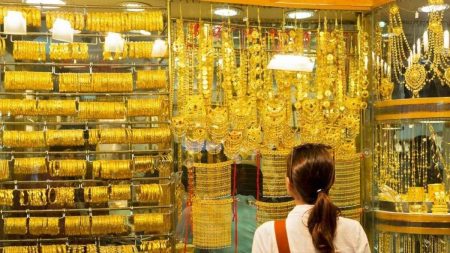
From 2030 to 2040 the framework turns to specialised industries. “Alpine manufacturing” would favour goods where craftsmanship matters more than scale: precision instruments, pharmaceutical intermediates as well as fine jewellery. Research would tackle problems inherent to the terrain: crops that withstand climate change; housing that withstands earthquakes; and pharmacology rooted in local biodiversity. Services would echo this logic. Nepal cannot rival India’s IT industry in scale, but it might entice firms looking for cultural affinity, reliable English or time zones closer to Europe and Africa. With decent telecoms and training, back-office finance, legal outsourcing and creative industries become plausible bets.
Education and healthcare are billed as transformative. International universities devoted to sustainable development or Eastern philosophy would face limited regional competition. Online platforms could extend their reach. High-end medical tourism, particularly in integrative medicine and mental health, could underpin a “Himalayan Wellness Economy”.
By 2040 the plan shifts outward. Nepal would seek to act as a bridge between India and China. A “Himalayan Economic Corridor” promises shorter transit times and thicker trade links, though it will demand deft diplomacy as well as engineering. Kathmandu aspires to financial-centre status, catering to Islamic finance, digital assets and remittance clearing. That will depend on regulatory trustworthiness rather than steel and glass.
Other landlocked states provide lessons. Bhutan has pursued “gross national happiness” by restricting mass tourism while capitalising on hydropower exports, a model that yields stability but caps growth. Mongolia has ridden commodity cycles, swinging between booms and busts tied to copper and coal. Rwanda has marketed itself as a hub for conferences and digital services, proving that a small, landlocked country can leap ahead if governance holds steady. Nepal must decide which blend of these paths is viable.
Closer at hand, the country can monetise its natural endowments. Hydropower could support green hydrogen, energy-intensive data centres and regional electricity balancing. Payments for biodiversity protection and carbon sequestration among others will not match remittances but can provide steady income in line with climate finance flows.
Reaching that stage will mean a reordering of agriculture, manufacturing and urbanisation. Low-yield farming would give way to vertical agriculture, organic branding and biotech adapted to altitude. Manufacturing would concentrate on cultural authenticity from herbal pharmaceuticals to craft metalwork. Cities would grow upward to conserve farmland. Logistics would rest more on aviation and multimodal hubs than endless road-building.
Technology is framed as essential. Internet-of-things supply chains, additive manufacturing and blockchain authentication would allow Nepal to skip stages of industrialisation. Remittance flows, managed through digital wallets and diaspora-focused fintech, could finance domestic credit and investment.
Education and healthcare would double as export sectors. Curricula would stress renewable energy, bilingual services plus health sciences. Universities would link with global peers to generate marketable research. Hospitals would train medical staff for export, integrate traditional therapies and provide telemedicine to remote settlements.
Financing will need to draw on varied instruments: green bonds, diaspora schemes, impact funds, Islamic finance as well as public-private partnerships. The risk is that such plans presume fiscal discipline and capable oversight, qualities not always associated with Nepal’s budgetary process.
Critics point to the gap between ambition and politics. Success would demand stability across governments, insulation from factional disputes and a professional civil service. Supporters counter that Nepal’s small scale permits experimentation. Global trends could provide momentum: appetite for sustainable models is rising, South Asia needs fresh transit corridors and digital services are expanding faster than incumbents can supply them.
Nepal’s wager is on distinctiveness rather than cheap labour. Whether the bet pays off depends on execution, its traditional weakness. If the country can turn altitude into advantage, it may one day achieve what its climbers already have: reaching the summit, and charging for the privilege. ■