
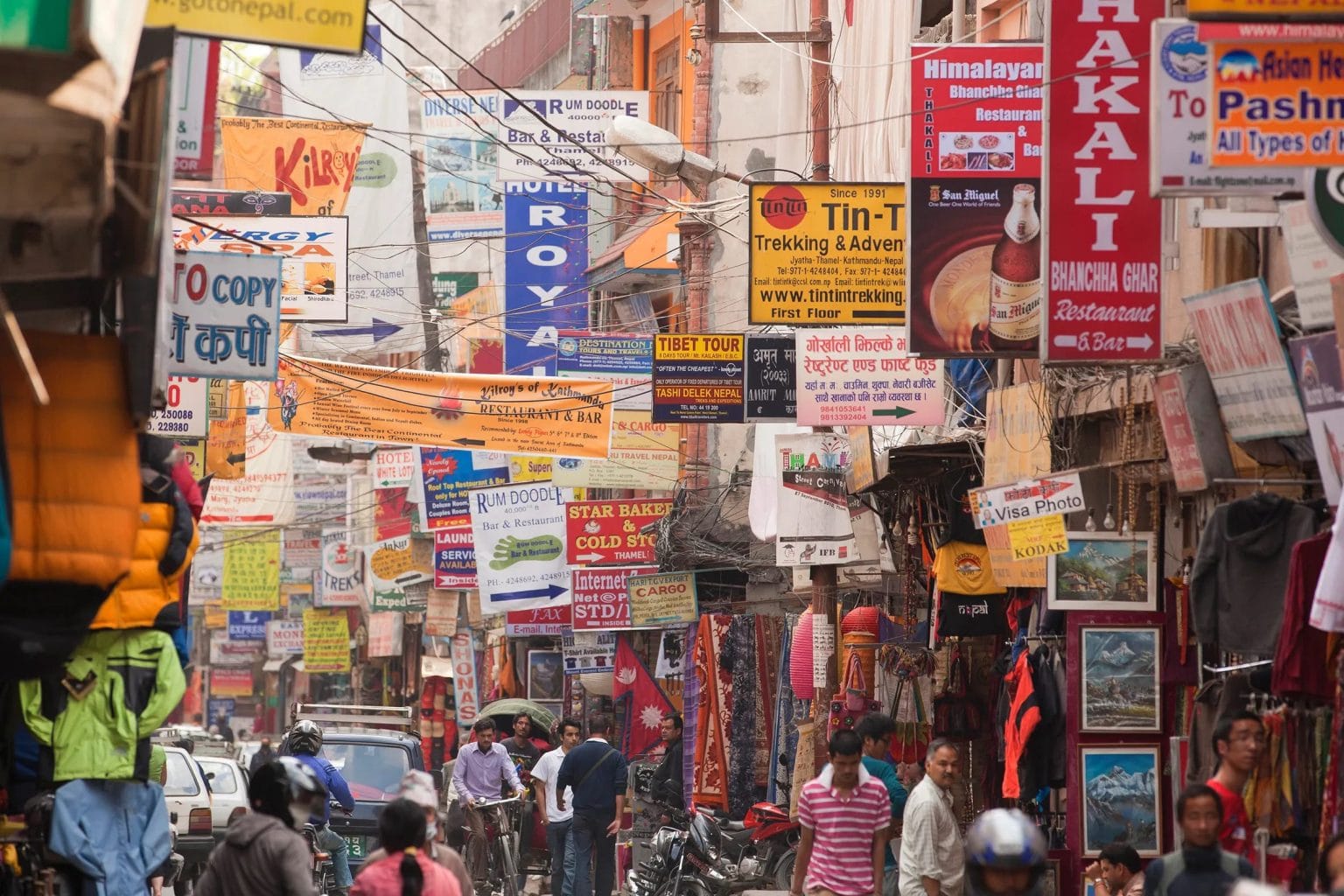
IMAGE: GETTY IMAGES
NEPAL PULLED in 1.162m foreign tourists in 2025. That was 1.29% more than the year before, which is not a boom. The average stay stretched to 16.34 days, a record. The average daily spend fell to $33.09, down 19% from $40.84 and the second-lowest figure on record. A tourist will sleep in Nepal for more than a fortnight and hand over less each day than a meal for two in a middling European city. The mountains are not the problem. The road to the mountains is.
Thailand took 33m visitors and $48.8bn in 2025. Vietnam took nearly 21.2m, up 20.4%, a record. Nepal has the Himalaya and the temples. Thailand has airports that work, roads that move, hotels that answer emails and a tourism machine that treats a visitor as a customer rather than a trouble. The comparison is unfair in some ways. Nepal is landlocked, small and built around trekking. What separates them is the infrastructure behind the attractions.
Start with the road to Pokhara. It is roughly 200km from Kathmandu. The drive takes six to eight hours on a good day. With roadworks, landslides, festival traffic or a bad stretch near Mugling, it takes ten. Buses are packed. Crashes are common enough that foreign governments tell their citizens to avoid night travel and overloaded buses. The Asian Transport Observatory put the cost of road deaths and serious injuries at $3bn in 2021, about 7% of GDP. The death toll is disputed yet the danger is not.
Flying offers little escape. The EU has banned Nepali airlines from its airspace since 2013. The ban is still in force. On October 6th Reuters reported that the government plans to split the Civil Aviation Authority into one body for safety regulation and another for airport operations. That is a sensible fix to a conflict of interest that should have been fixed a decade ago. It also shows how long a known problem can stay there without anyone touching it. Mountains make flying hard. They do not make oversight optional.
The main door into Nepal is Tribhuvan International Airport. Almost every foreign visitor who flies in lands there. Pokhara opened an international airport in January 2023. It has no regular international commercial flights. Gautam Buddha airport near Lumbini has fared little better. Lawmakers held a committee meeting in October to ask why neither airport works. The answer is no mystery. A runway alone cannot create an airline route. Airlines need passengers, reliable conditions and a reason to fly. New terminals without new connections are concrete and glass in a field.
Outside the main trekking routes, the service gets slimmer. Roads wash out. Buses do not run. Sanitation is uneven. A clinic may be a day away. The American embassy warns that mountain airports can shut for days in bad weather, leaving travellers to choose between waiting and a dangerous drive. Adventure tourists accept risk, meaning they will accept danger on a mountain. They are less forgiving of danger on the road.
The spending number tells the story. A visitor who burns $600 on a return flight to Kathmandu, another $200 getting to Pokhara and $300 on a trekking permit has less left for tea, dal bhat, a guide and a bed. Luxury lodges have opened in Mustang and the hills. Expensive rooms cannot fix a broken road or a cancelled flight. Hoteliers say airspace and roads are not safe and, as a result, rich tourists normally avoid visiting Nepal.
The government wants 3.5m visitors a year by 2032. That is roughly triple the 2025 figure in seven years. More hotel beds will not get them there. Trained staff, rescue services, working toilets, signs that make sense, buses that leave on time and a road to Pokhara that does not eat a day each way would help. Marketing cannot repair a road. A slogan cannot reassure an insurer.
Nepal has something Thailand and Vietnam cannot copy. The mountains are real. The temples are real. The silence above the treeline is real. Smaller crowds appeal to visitors who want to walk without joining a queue. Bhutan shows that a country can attract fewer, wealthier visitors and still make money, though its model carries its own costs. Nepal need not become Pattaya. It must stop charging visitors a premium for the privilege of being inconvenienced.
The task is to make adventure a choice rather than an ordeal. That means safer roads, airlines cleared to fly internationally, rescue teams that answer the phone and a ministry that treats tourists as customers rather than paperwork. For now Nepal will continue to attract visitors willing to tolerate the chaos. Persuading them to pay a premium for the experience will prove gruesome. ■




