
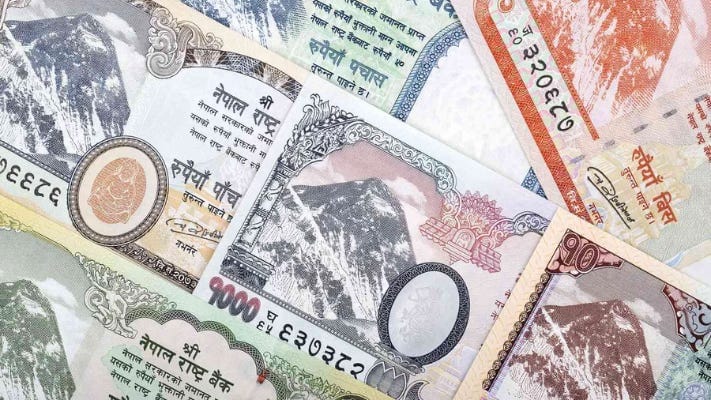
When protesters stormed and set fire to the Kathmandu homes of Nepal’s political grandees recently, it was not the flames that unsettled the public. It was what the fires revealed. Viral videos showed bundles of banknotes, some half-burned, others looted, allegedly found in the residences of Sher Bahadur Deuba, Pushpa Kamal Dahal and Deepak Khadka, all senior politicians and, until recently, senior office-holders. The charred cash reignited long-standing accusations of political corruption, and a new demand: demonetise the Rs500 and Rs1,000 notes.
The central bank has not ruled it out. Neither has the finance ministry. Public anger is potent, and the logic is appealing. If elites hoard illicit wealth in high-denomination notes, then voiding those notes would flush out corruption. But precedent confers little comfort. Done poorly, demonetisation can destroy confidence, disrupt livelihoods and eventually punish the innocent more than the guilty.
Nepal is no stranger to cash. Some Rs655bn ($4.9bn), or 88% of currency in circulation, sits outside the banking system. In the past year alone that figure rose by Rs78bn, suggesting an expanding shadow economy. Financial regulators, such as the Financial Information Unit, require banks to report large transactions—over Rs1m for individuals and Rs2.5m for businesses—and to conduct due diligence on suspicious activity. But the rules stop short of limiting how much cash a person can keep or how long they can keep it.
Much of that cash, by anecdote and institutional habit, flows through informal markets. Real estate deals are habitually settled partly in envelopes. Political campaigns run on untraceable donations. Contractors underreport earnings to avoid tax, and traders avoid banking fees by operating entirely in cash. None of this is unique to Nepal, but the scale, combined with weak enforcement, makes it unusually vulnerable.
The current scandal has only sharpened those concerns. Investigators from the Department of Money Laundering Investigation arrived at the burnt homes 12 days after the violence, by which time evidence had been handled, looted or incinerated. Officials pledged thorough inquiries. Few believe them. The episode has reinforced the belief that Nepal’s political class protects its own, unless public pressure makes inaction costlier than reform.
That pressure is now coalescing into calls for demonetisation. Anil Keshari Shah, a former CEO of Nabil Bank, argues that no rational person keeps Rs1m at home unless they have something to hide. Others claim that invalidating large notes could disrupt illicit election finance ahead of the next polls in March. Both points have merit. But neither guarantees success.
India’s experience in 2016 is the region’s most high-profile cautionary tale. In a surprise announcement, Prime Minister Narendra Modi announced the immediate withdrawal of ₹500 and ₹1,000 notes—then accounting for 86% of the country’s cash by value. The stated aims were to curb corruption, counterfeiting and terrorism. But 99.3% of the cash was returned to banks, suggesting that the black economy adapted faster than the policy did. While digital payments surged and tax compliance improved marginally, the disruption to trade and wages was severe.
Nepal’s economic buffers are weaker. Banking access in rural districts remains limited. Around one-third of adults are unbanked. Digital payment infrastructure is poorly understood outside urban centres. An abrupt invalidation of high-denomination notes would likely paralyse informal trade, especially in agriculture, small retail and daily wage labour. And the well-connected—who can launder cash through property, gold or offshore assets—would once again slip through the cracks.
Even so, the idea need not be dismissed outright. What matters is execution. A credible demonetisation programme would need three things: time, transparency and teeth.
First, any withdrawal of Rs500 and Rs1,000 notes must be phased over 12 to 18 months, rather than imposed overnight. Citizens must have time to exchange cash through banks, declare deposits and justify large sums. Second, the programme must be linked to identity—taxpayer registration numbers and property records—to ensure that deposits trigger follow-up. Transactions above Rs2.5m should prompt automatic audit flags. Finally, the authorities must be prepared to act on what they find. This means shielding tax investigators and financial regulators from political interference and making examples of those unable to explain their cash piles, regardless of status.
Equally important is a push toward formalisation. Digital payments should be mandated for transactions above Rs1m, especially in real estate, public procurement and political spending. High-cash sectors (construction, transport, contract services) should face coordinated tax and anti–money laundering audits. The Nepal Rastra Bank must improve currency tracking, and coordinate with India to prevent the backdoor conversion of Indian notes via Nepali banks, an established risk given the porous border.
There is also an international incentive. Nepal is on the grey list of the Financial Action Task Force (FATF), a global body that monitors compliance with anti–money laundering standards. A structured, verifiable demonetisation effort could signal seriousness and help Nepal exit that list, which currently raises compliance costs for businesses and limits investment appetite.
But demonetisation without institutional reform is a policy stunt. And Nepal has seen plenty of that. If past experience is a guide, a rushed purge will merely shift cash into new forms—gold, crypto or foreign accounts—while fuelling public resentment and punishing small traders. The spectacle will satisfy no one.
Nepal’s problem is not the Rs1,000 note. It is the Rs100m project awarded without oversight, the Rs10m land deal settled in cash and the political system financed in the shadows. Done scientifically, demonetisation could widen the tax net and weaken shadow finance. It would also restore some faith in public institutions. Done hastily, however, it will deepen cynicism, confirming that even in reform the well-connected always find change they can bank on. ■




