Image: Google
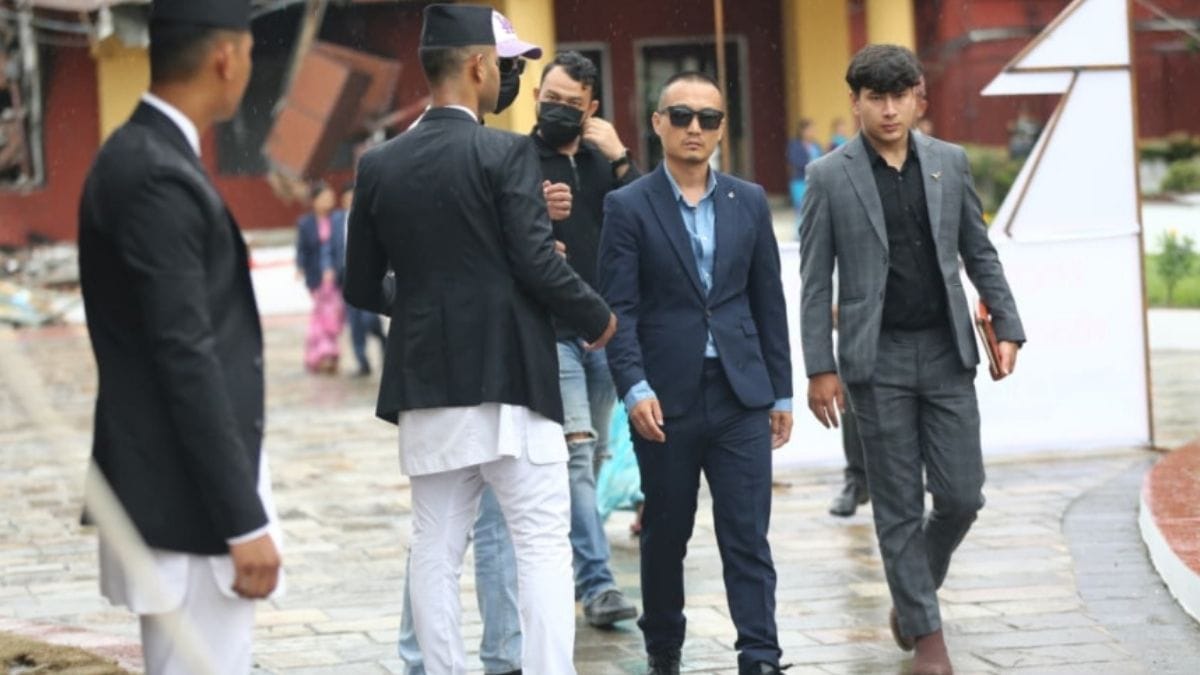
Sudan Gurung holds no public office. Yet in the aftermath of Nepal’s youth-led uprising on September 8-9th, he has become the country’s most powerful figure. A former DJ turned activist, Mr Gurung has issued orders to ministries, reportedly appeared uninvited at cabinet meetings and warned doctors and civil servants to treat his words not as requests but directives. The state, battered and unpopular, obeys. Nepal has cycled through ten prime ministers in 15 years. Today power appears to be drifting, unofficially, to someone with none.
That a protest leader commands more authority than a constitutional government speaks volumes about the state’s democratic decay. Nearly two decades after the end of its Maoist insurgency, and eight years after it adopted a republican constitution, the country is again mired in institutional paralysis. Successive governments, dominated by ageing political dynasties, have presided over economic stagnation and endemic graft. Public trust in the system collapsed when security forces shot dead more than 70 demonstrators in the anti-corruption protests. The government fell within 48 hours. A caretaker administration now clings to power with elections set for March, but no clear vision beyond symbolic investigations.
Into this vacuum has stepped Mr Gurung. Flanked by the so-called Gen-Z Movement Alliance, he claims to speak for the revolutionaries who brought down the old regime. He has demanded sweeping reforms: 50% youth representation in constitutional bodies and embassies; the sacking of the anti-corruption chief; immunity for protesters; and even local administrators appointed “in coordination with Gen-Z”. Most are legally unworkable. Some verge on the authoritarian. But in a polity where formal institutions are distrusted and the rule of law is brittle, Mr Gurung’s extra-constitutional authority has acquired the force of fact.
His supporters invoke moral legitimacy: traditional institutions, they argue, have forfeited theirs through corruption and inaction. The Gen-Z movement merely reflects the will of a generation abandoned by politics. Yet this argument, however stirring, is corrosive. When crowds claim the right to override the law in the name of justice, the state begins to unravel. That a protest leader can publicly call for the arrest of former prime ministers and the resignation of Supreme Court justices—and be taken seriously—says less about democratic renewal and more about the erosion of its foundations.
Nor is Mr Gurung’s movement prepared to govern. Its network is digital and decentralised, organised through platforms such as Telegram and Discord. It crowdsources policy and livestreams debates. But it has no legal authority. Like the youth movements in Hong Kong and Thailand, it channels frustration more effectively than it builds institutions. Mr Gurung’s vow to boycott any election that returns “unreformed elites” suggests not a reformist instinct but a belief that legitimacy flows only from protest. That is not democracy. It is permanent opposition by design.
The regional context is unforgiving. Nepal sits uncomfortably between India and China, two powers whose rivalry runs through its mountains and ministries. Delhi frets over regional security. Beijing sees Kathmandu as a Belt and Road corridor and a staging post in South Asia. Both prize stability over sentiment. Nepal’s current drift towards unpredictability and populist street power is unwelcome in either capital. India has historical influence over Nepal’s politics and economy, but is wary of appearing heavy-handed. China, which backed previous autocratic tendencies in Kathmandu, is keeping its options open. Both watch Mr Gurung warily, unsure whether he represents a moment or a movement.
Western donors are no less troubled. Diplomats in Kathmandu speak openly of unease. A protester dictating disaster response plans and hospital operations is not a sign of democratic vitality. One donor official likens Mr Gurung’s approach to “governing by livestream”. The interim cabinet, caught between confrontation and co-optation, has chosen silence. That is not sustainable.
Mr Gurung says he will form a party and contest elections next year. That is the correct path, if he means it. Youthful anger deserves political expression. But a campaign is not a movement, and governance is not theatre. If Mr Gurung seeks to lead Nepal, he must submit to the same laws and constraints as those he deposes. The institutions he scorns—courts, parliament, bureaucracies—are flawed, but they are necessary. Without them authority flows to whoever can summon the biggest crowd or speak the loudest online.
The political elite bears much of the blame. By enriching themselves and evading reform, they have created the conditions for their own eclipse. But the answer to failed leadership is not vigilantism in the guise of virtue. It is to rebuild the institutional scaffolding of democratic accountability. That means prosecuting corruption and reforming public services; as well as restoring faith in the ballot box. If Mr Gurung’s movement can compel those outcomes, it will have done the country a service. If it substitutes itself for them, it risks becoming the dysfunction it once opposed.
Nepal’s history is littered with revolutions that exhausted themselves in the absence of institutions. Mr Gurung may believe he is different. Unless checked by law and channelled through process, he will not be. Authority without mandate is not a solution to Nepal’s crisis. It is its latest symptom. ■