IMAGE: THE NEW YORK TIMES
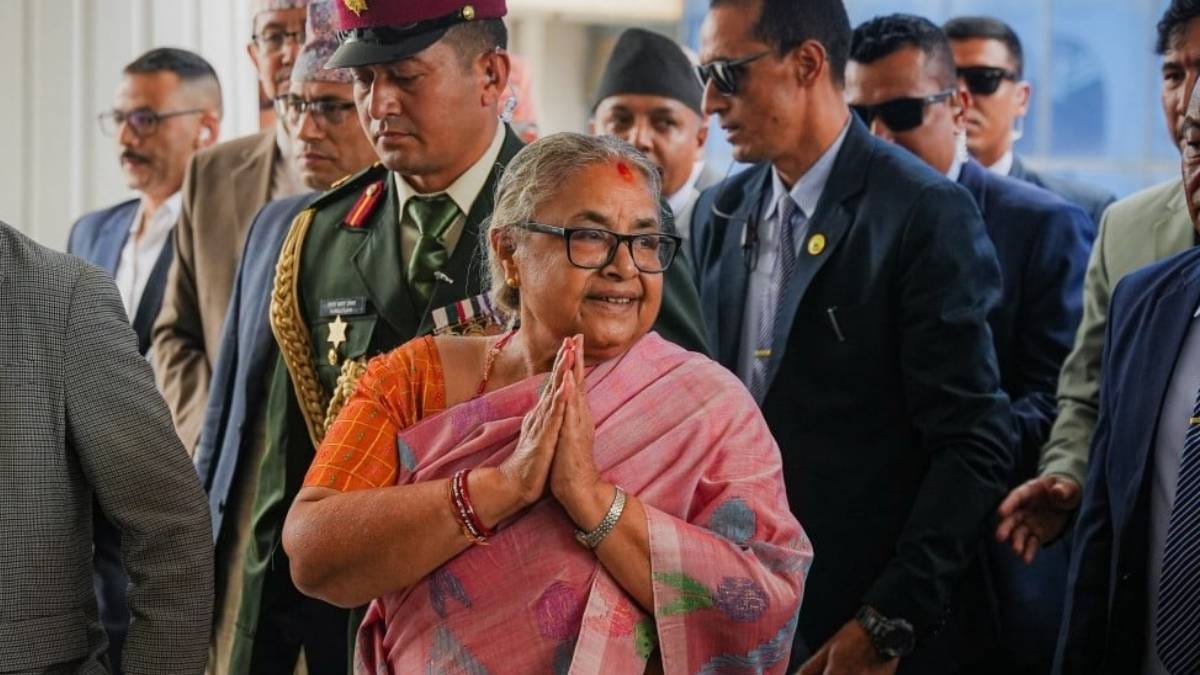
A GOVERNMENT’S METTLE is tested not in calm times but in turbulent ones. For the interim administration led by Sushila Karki in Nepal, turbulence has been the defining feature. It took office after waves of protest and violence swept the country, leaving death, destruction and a deep psychological scar. Now it faces a daunting task: to investigate that violence, address the grievances which fuelled it and conduct a national election—all at once.
The government’s primary mandate is to hold a free and fair vote, scheduled for early March. But the path to the ballot box is littered with obstacles. The recent unrest has left the political atmosphere charged.
The Home Minister, Om Prakash Aryal, who oversees internal security, describes his role as a perpetual balancing act. He must reassure a traumatised public, maintain the morale of security forces, engage with angry protesters and resist pressure from powerful political and business interests—all while preparing for the election. (The international community has offered support for it.)
A centrepiece of the government’s response has been the creation of a high-level inquiry commission. Established under law and led by a former judge, the body has three months to investigate the recent violence. Its mandate is to identify those responsible, from those who executed the violence to those who may have planned it.
The goal, the minister says, is to end impunity. The commission’s findings will lead to recommendations for action. Meanwhile the regular mechanisms of the state—the police and the courts—remain available for victims to seek justice.
On the security front, the government claims the situation is normalising. Mr Aryal speaks of a conscious effort to improve the treatment of security personnel, referring to them as “national servants” to boost morale after they witnessed violence against colleagues and citizens.
Yet challenges remain. Weapons were looted during the unrest, and prisoners escaped. The government has issued directives for their recovery and re-arrest, first by appeal and, if that fails, by “suppression”.
The most delicate part of the balancing act involves the protesters. The government recognises the legitimacy of many grievances, particularly those concerning justice, governance and corruption, raised by indigenous groups and youth movements.
It is engaged in extensive dialogue with these groups, it says, as well as with major political parties, to create a “conducive atmosphere” for the election. The President’s office is helping to facilitate these talks. The government acknowledges that further alienating the protesters risks sparking another rebellion.
Complicating matters is the phenomenon of misinformation, laments the minister. He expresses sharp concern about fake news and disinformation spread through social and mainstream media. He claims to be a victim of a smear campaign, including false reports of his dismissal, which he says damages the morale of state institutions. He warns that such character assassination can lead to social disintegration.
Nonetheless leaders are betting that a combination of legal process, political dialogue and firm security can guide the country to a peaceful poll. It is a high-stakes wager. The alternative to a successful vote is a further erosion of public trust, a prospect the fragile state can ill afford. ■