Image via Yahoo
IT BEGAN WITH almost nothing. When Singapore was expelled from Malaysia in 1965, it was a speck of a nation, poorer than South Africa and smaller than New York City, devoid of natural resources and plagued by high unemployment. Its prospects appeared bleak.
Today it is synonymous with wealth: a $408 bn economy and a global financial hub with managed assets surpassing $3.5 trn. Its rise shows how sound institutions and careful planning, as well as a strategic location, can create prosperity from scarcity.
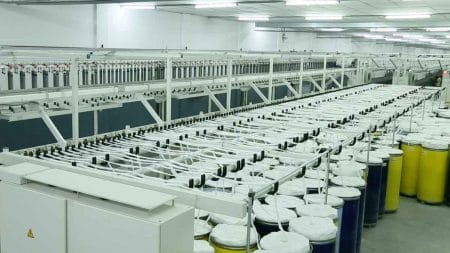
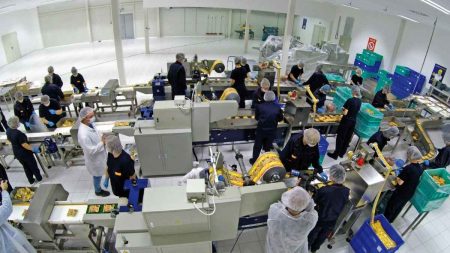
Singapore’s founding fathers, led by Lee Kuan Yew, understood that survival depended on making the world its market. With no domestic economy to speak of, the nation had to export or perish. Its first, urgent task was to create jobs. The government focused on labour-intensive manufacturing, building factories for electronics and textiles. This provided immediate employment and generated precious foreign currency. Yet manufacturing was always a means to an end, a stepping stone to a more sophisticated economic future.
The island’s greatest natural asset was its location. Sitting astride the Strait of Malacca, one of the world’s busiest shipping lanes, it was a natural gateway between the Indian Ocean and the South China Sea. To leverage this advantage, the government built institutional foundations that would become its signature. It established a clean, efficient administration with a powerful respect for the rule of law. Contracts were enforced reliably, and corruption was minimised. Investors, wary of the risks common in many developing economies, found a safe and predictable harbour in Singapore.
By the 1980s, the groundwork was laid for a pivot to high finance. Inspired by London and New York, Singapore liberalised its financial markets. It attracted multinational banks and corporate regional headquarters with a simple proposition: stability and a corporate tax rate capped at a competitive 17%. The strategy worked spectacularly. Finance soon overtook manufacturing as the biggest contributor to GDP. Today more than 4,000 multinational corporations operate from the city-state. Meanwhile billionaires are immigrating to Singapore in droves.
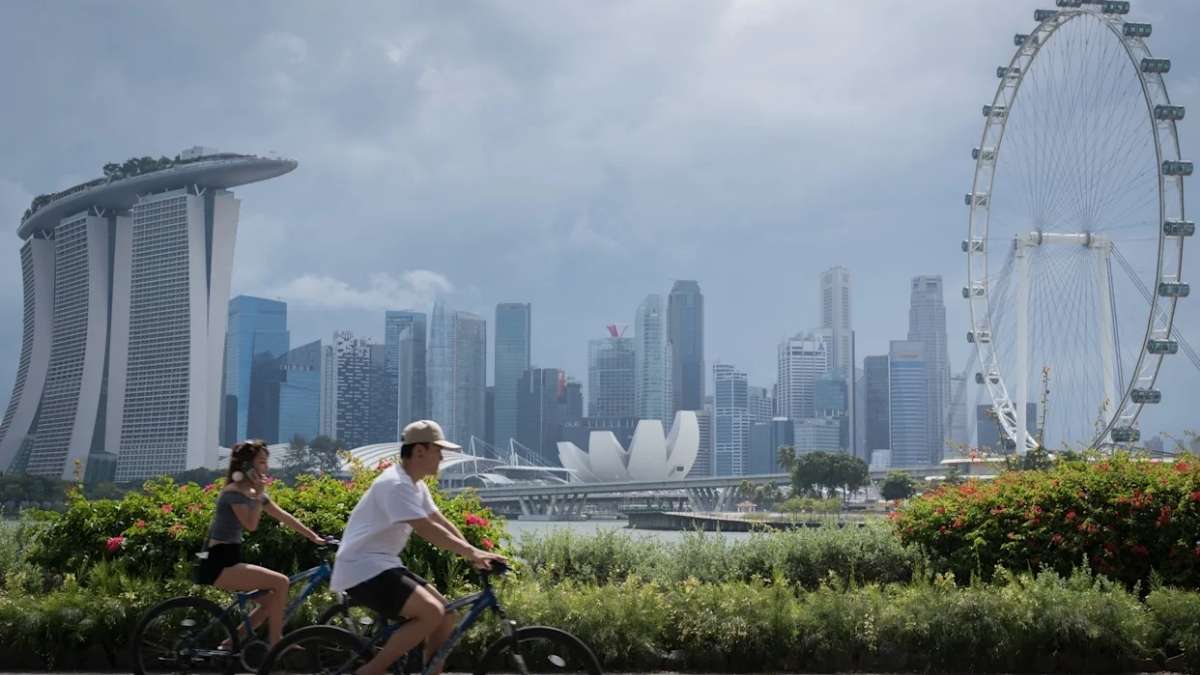
Prosperity was not confined to spreadsheets. Singapore’s limited land area forced innovative urban planning. The government reclaimed land from the sea and built upwards, creating a skyline of skyscrapers and residential towers. It cultivated a lifestyle designed to attract and retain global talent, with world-class amenities, luxury housing, international schools and integrated resorts. The city became a destination and not just a place to work. This focus on liveability complemented its economic ambitions, making it a magnet for capital as well as people.
Timing, too, played a big part. Singapore’s rise as a financial powerhouse coincided with the economic emergence of its giant neighbours, China and India. It positioned itself as the secure, neutral parking place for Asian wealth. Assets under management swelled from under $425bn in the early 2000s to the trillions they command today. The regional boom amplified Singapore’s role, but it was the city’s own stable governance that made it the beneficiary.
This stability came from the uninterrupted rule of the People’s Action Party, which prioritised long-term policy and public order. Critics note that this has involved restrictions on civil liberties and press freedom, creating a climate that discourages dissent. For international investors, however, this trade-off produced a prized predictability. The government’s consistent, long-range planning built a deep reservoir of trust.
The model now faces pressures. Extraordinary wealth has yanked up housing and living costs. Dependence on foreign labour creates occasional social friction. The population is ageing rapidly, threatening the sustainability of its pension and healthcare systems. As a low-lying island, Singapore is also dangerously vulnerable to climate change. The new prime minister, Lawrence Wong, recognised for his competent management of the pandemic, inherits the task of tackling those adversities. His mission is to maintain Singapore’s competitive edge while fostering social cohesion and adapting to existential environmental threats.
Singapore’s journey from colonial port to global wealth hub confers a powerful lesson. It proves that a nation need not be large or resource-rich to achieve profound influence. The formula combined geographic destiny with immaculate institutions, a strategic industrial climb and a bold leap into global finance. It took a vision that was pragmatic as well as long-term, willing to sacrifice certain freedoms for security and growth. For other small states, Singapore stands as a compelling, if singular, testament to what can be built with nothing but intellect and resolve. ■