Image: Golyan Group
Imagine buying a stake in a factory where the lights keep going out. That, in essence, is what Nepal’s stockmarket is asking investors to do. Reliance Spinning Mills, the country’s biggest yarn maker, is about to launch its initial public offering at Rs821 a share, the highest price ever for a domestic stock. It is a bold statement of industrial ambition. But it is also a gamble that Nepal can solve a basic problem: providing reliable power to its manufacturers.
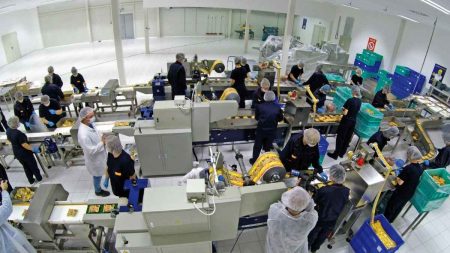
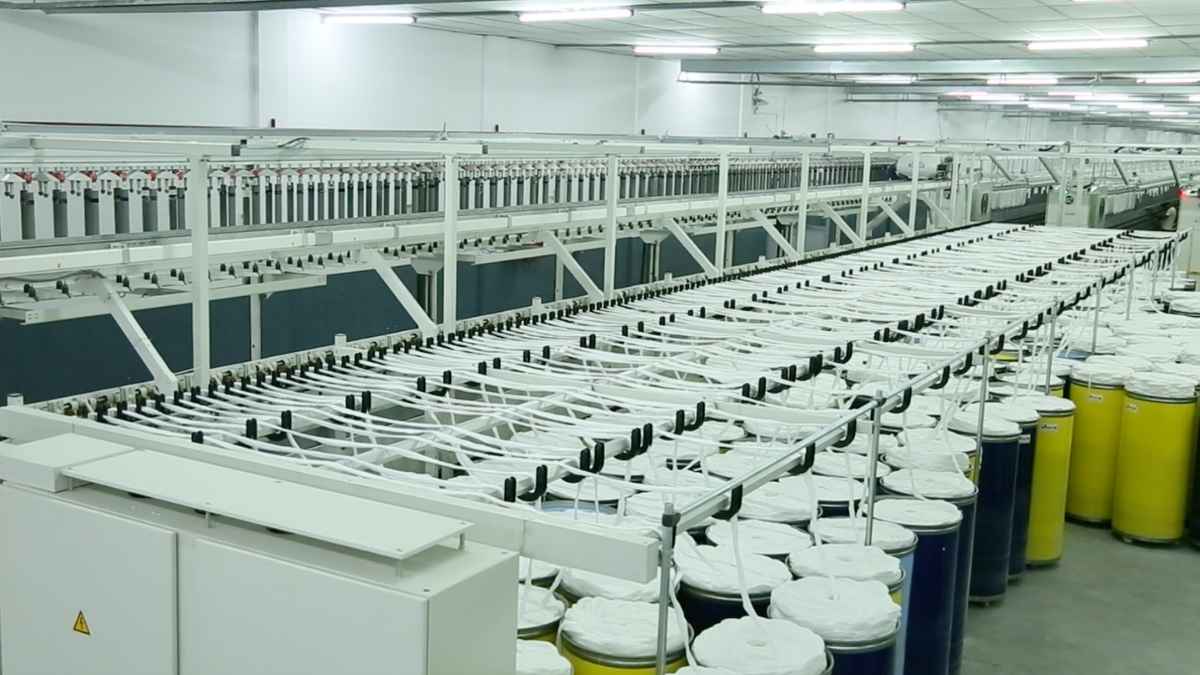
The company is a legitimate champion that spins cotton and synthetic yarn, exporting most of it and earning about 4% of Nepal’s total foreign-exchange from goods. The IPO is meant to fund an expansion that would boost capacity by a third. For a poor country that exports little beyond its people, this should be a moment of pride: proof that its capital markets can fund proper industry, rather than only banks and hydro projects.
But here is the catch. The factory’s earnings have jerked up and down like a broken shuttle, because the electricity fails constantly. Spinning needs non-stop power: even short blackouts ruin yarn and waste material. In late 2023 the state-owned power utility cut off the plant for 21 days straight, then imposed months of rolling blackouts. Output slumped. The company can crank up diesel generators, but that is a ruinously expensive fix. So much for Nepal’s celebrated surplus of hydropower. Solar panels help a bit but not nearly enough. So the entire investment case hinges on a promise: that the grid will get better.
There is a further twist. That same utility claims Reliance owes it some Rs735m in back bills, compared with the Rs1.9bn it is raising. The company has reluctantly started paying this debt (although it retorts that it was billed for round-the-clock power it never actually received), which is sure to decimate a chunk of its net worth—an important consideration for anyone considering buying shares. The state cannot boast about trade deficits and youth unemployment on one hand, and on the other throttle one of its few successful exporters over a contested power bill.
How did the price get so high? Institutions set a cut-off of Rs912 in a book-building process (a novelty in Nepal). Retail buyers get a mandated 10% discount. But to make the numbers work, you have to ignore both the recent bad years and the firm’s official book value. A revaluation of its land and buildings has padded its assets. Strip that paper gain out and the shares are valued at nearly nine-and-a-half times the underlying book value—a huge multiple for a grimy manufacturer.
What’s really on sale then is not the mill’s past performance but a narrative about Nepal’s future. Investors are paying for a new production line to open without a hitch, for global demand to hold up and, above all, for the lights to stay on. It is a vote of confidence in an industrial revolution that has not quite happened yet.
Such confidence is a rare commodity in a poor country. If this bet pays off, it could encourage more factories to list, deepening the shallow stock market. If it fails it will confirm every skeptic’s fear that the country just is not ready for continuous manufacturing. The promoters and the government are asking the public to buy a vision. They should remember that investors can read a prospectus—and it is one where the power keeps cutting out. ■