IMAGE: AFP
EVERY COUNTRY faces a monetary trade-off. You can set your own interest rates, suited to your economy’s booms and busts. Or you can fix your exchange rate, gaining predictability for trade and investment. But you cannot, in the long run, do both. Nepal has chosen the peg. For six decades its rupee has been lashed to India’s, at a rate of 1.6 to one. This has brought low inflation and calm borders. Yet as the Himalayan republic grows up, the arrangement is beginning to look like a straitjacket.
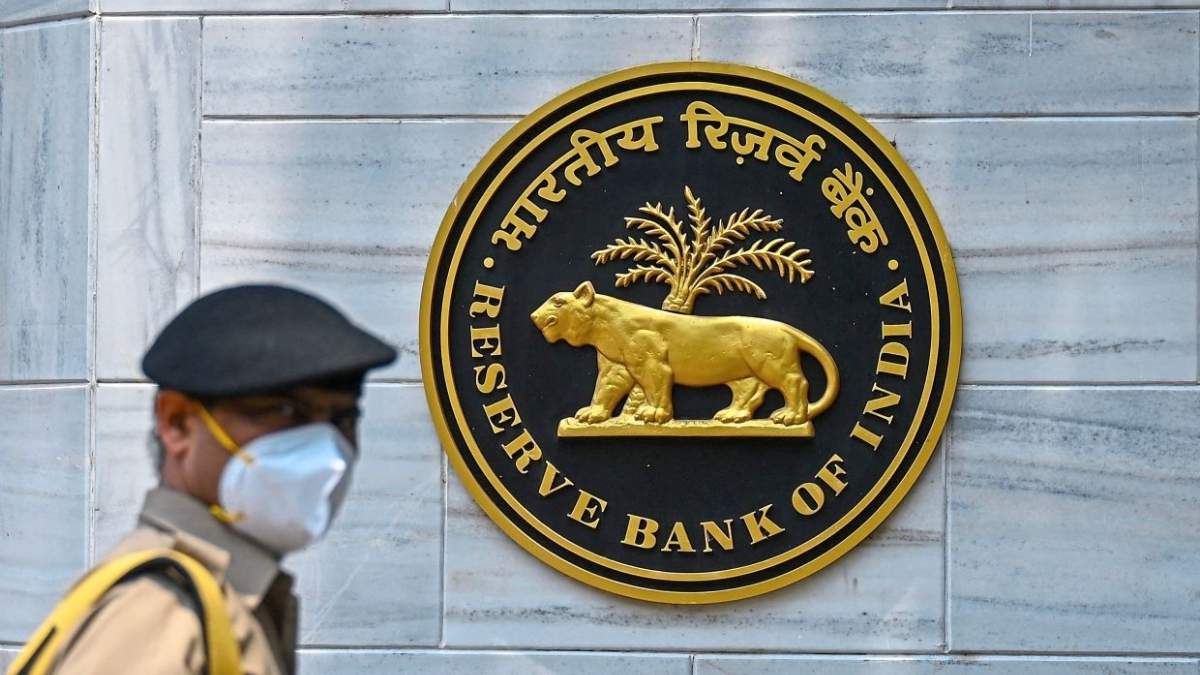
Tying your currency to a bigger neighbour’s is seen as a savvy move for a young economy. It imports monetary credibility, tames inflation and makes cross-border commerce simple. For Nepal the case was overwhelming. It does more than two-thirds of its trade with India. Millions of Nepalis work there, sending home remittances that make up a quarter of GDP. A fixed exchange rate removes a big risk for them and for businesses. Why gamble on volatility when you can borrow the steadiness of the Reserve Bank of India?
Because the steadiness isn’t yours to control. That’s the trouble. When India’s central bank raises interest rates to cool its own economy, Nepal’s must broadly follow. Large or prolonged interest-rate gaps would put pressure on foreign-exchange reserves and the currency peg, even with capital controls in place. Nepal’s monetary policy is thus made in Delhi, even when it’s wrong for Kathmandu. When India tightened after the pandemic, Nepal had to lift rates, too, squeezing credit just as its recovery needed support.
The peg also warps trade. By locking the currency, it can lock in an uncompetitive exchange rate, undermining exports. A cheaper rupee might spur local industry and help narrow the trade deficit. But the fixed rate acts as a permanent subsidy for imports and a tax on Nepali goods. It discourages the diversification the economy badly needs.
So should Nepal cut the rope? Not yet. Its financial markets are too slim and its reserves too scant to handle a freely floating currency. A sudden float could bring a plunge, spooking investors and sending the price of essential imports soaring. In a nation where stability is in shortage, that’s a dangerous gamble. The peg is a useful anchor, at least for now.
But anchors are not meant to be permanent. Nepal’s economy is changing. Trade with China, though still small, is growing. There’s talk of building up manufacturing and agriculture. These ambitions may one day demand a monetary policy tuned to Nepal’s rhythms rather than India’s. The path from a peg to a float is rocky—it needs deeper reserves, stronger banks and clear communication from the central bank. Now is the time to start building those buffers.
The politics are delicate, too. The rupee peg is a symbol of an exceptionally close relationship. To drop it could be seen in Delhi as a nationalist snub. Yet true sovereignty means being able to set your own course. Nepal shouldn’t rush for the exits, but it should stop thinking of its monetary policy as a permanent guest in someone else’s house. Start preparing for a future where Nepal’s rupee stands on its own. The time to plan for independence is while you still have a powerful friend next door. ■