Image: NPL
Only a few months ago the road to Kathmandu’s main landfill at Bancharedanda was regularly barricaded by residents protesting against the stench and the dumping. The garbage would pile up in the streets of the capital, showing governmental dysfunction. Today the trucks are running again. This small victory is one that Kulman Ghising—overseeing a vast portfolio of energy, transport and urban development—cites with some pride. He marks his first 100 days in office with a list of 101 specific tasks his sprawling ministry has tackled. The clearance of the landfill blockade is on it, as is the reopening of a key trade road to China and the resumption of water from the Melamchi project to Kathmandu’s taps. Mr Ghising describes those achievements as proof that the state can work if it chooses to.
His governing style puts citizens first and excuses last, with no tolerance for corruption or negligence. He says he acts as a public servant, claiming to operate without bowing to vested interests or political interference. The rhetoric is typical for a new minister. The actions, however, are not.
Mr Ghising, who previously earned public trust by ending chronic electricity blackouts as head of the national utility, has diagnosed the country’s development paralysis with candour. The problems, he says, are delayed government decisions and chronically weak contractors. His response has been a sweeping purge. Across the three vast portfolios he manages, his ministry has terminated 66 contracts worth nearly Rs18bn (about $127m). These include around 40 road contracts and 22 in energy and irrigation, some for major national-priority hydropower projects. Firms that hang on to contracts without results are warned: your free ride ends now.
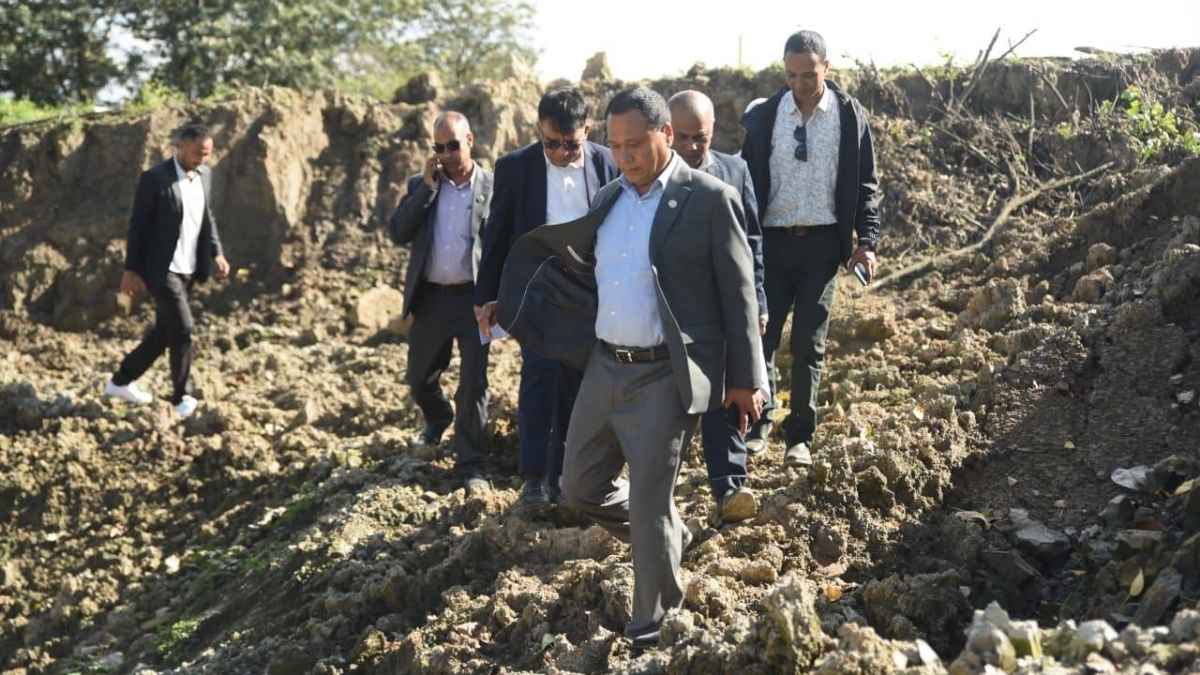
Moreover this aggressive enforcement is a live audit of Nepal’s broken development model. The minister’s insistence on visiting project sites and engaging directly with contractors, as well as consultants and affected communities has displayed a sobering truth. Development is not obstructed by a lack of budgets or plans, he argues, but by behavioural and institutional failure. The terminated contracts are the physical evidence of that failure. Each cancelled deal represents a budget wasted and public trust squandered.
The crackdown hits revenue collection just as hard. For years many industries consuming electricity via dedicated lines avoided paying their bills, protected by political patronage. Mr Ghising’s ministry has brought outstanding dues under legal recovery. The mere signal of seriousness has, he says, provoked habitual defaulters to start paying regularly. The principle is that electricity consumed is a service that must be paid for. That such a basic market norm requires a ministerial crusade speaks volumes about the distorted ecosystem in which he operates.
There is a palpable tension at the heart of this activity. The flurry of problem-solving and contract cancellations is impressive as well revealing. It shows what a determined minister can accomplish with executive focus. Yet it also shows how shockingly abnormal the ordinary state of affairs had become. The need for such direct, personal intervention from the top suggests systems that do not function on their own. “The first 100 days are only the beginning,” Mr Ghising warns, promising more reform and brutal enforcement. One wonders how many ministers would need to govern with such intense micromanagement to keep the machinery of state from seizing up.
This energetic interventionism now faces its ultimate test: moving from stopping bad projects to starting good ones. Mr Ghising’s plans for major hydropower projects like Budhigandaki and Upper Arun involve novel investment models seeking foreign capital and diaspora funding. The goal is to broaden ownership and attract finance. Here the minister’s reputation for competence is a potential asset. Investors perennially cite governance and execution risk as the main barriers to financing Nepal’s vast hydropower potential. A minister who demonstrably terminates non-performing contracts might just be the kind of risk-mitigator they welcome.
But there is a problem. The very strength of this personal, hands-on style highlights a systemic weakness. A government that relies on the relentless drive of one official to clear garbage, open roads, force bill payments and so on is a fragile one. What happens when the minister’s attention shifts or his political capital wanes? The institutional memory of the Nepali state is generally shorter than its electoral cycles.
For the moment Mr Ghising is the straightener, applying force to bent and broken processes. The list of 100-day works is a ledger of incremental repairs. The real legacy of this period, however, may be the precedent it seeks to set: that of consequence. In a political culture steeped in impunity, the sudden imposition of accountability—for contractors who do not build and for industries that do not pay—feels like a minor revolution. It is a proof of concept. The bigger trouble is to make the concept outlast the minister. ■