Image via Facebook
Kathmandu still wears the marks of its anger. Spray-painted slogans from September’s protests scar walls and shutters, a reminder of how quickly frustration tipped into violence and brought down KP Sharma Oli’s government. An interim administration has since taken over. Calm has returned, of a sort. But the political question raised by those protests—who, if anyone, can turn raw fury into workable rule—remains wide open. The “Grand Unity Agreement” signed on December 28th by Rabi Lamichhane and Balen Shah is the boldest answer yet. It is also a risky one.
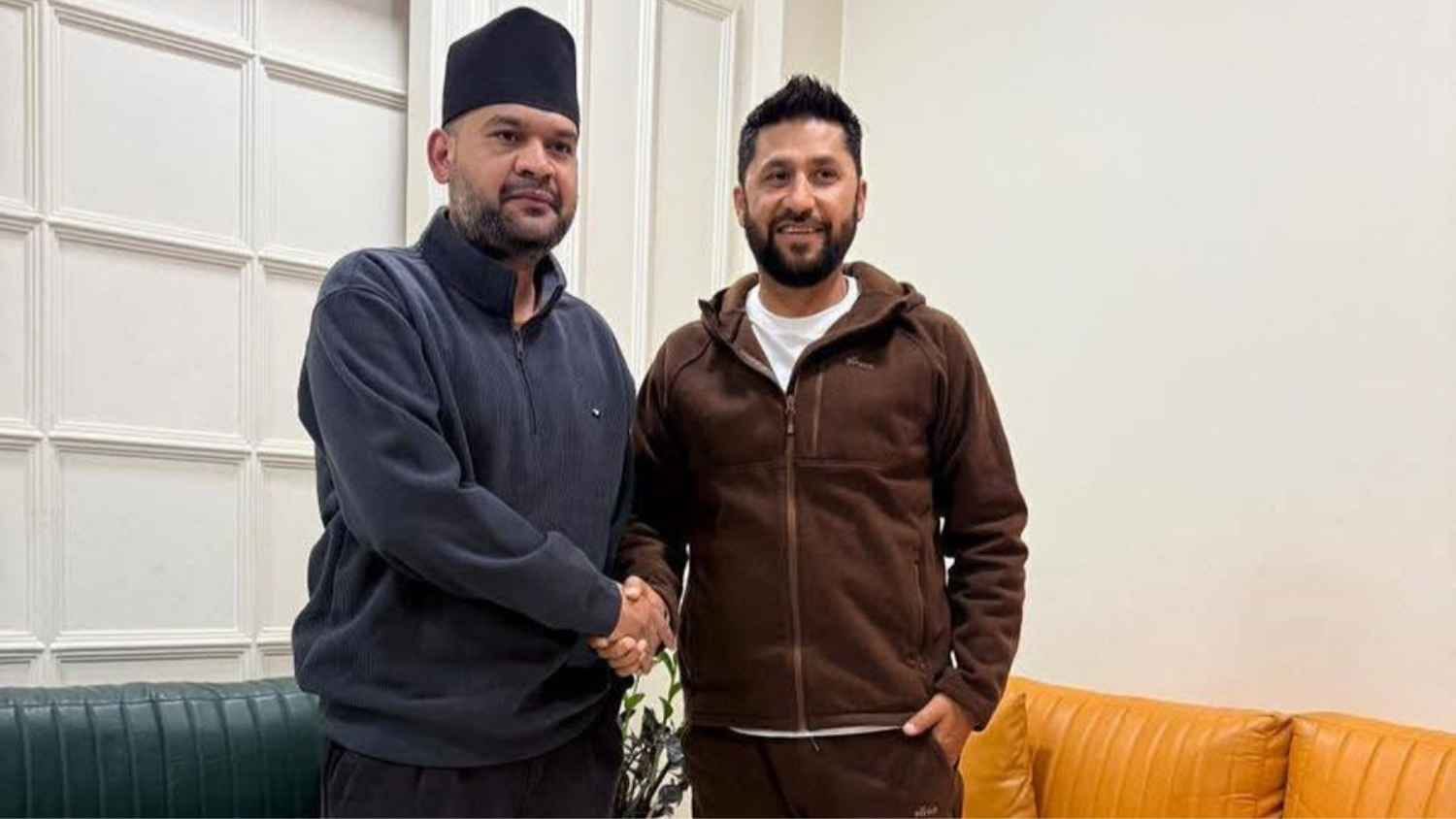
The deal binds together the two most disruptive figures in Nepali public life. Mr Lamichhane, a former television host, rode middle-class rage to propel his Rastriya Swatantra Party (RSP) into parliament in 2022. He brought with him something Nepal’s anti-establishment movements rarely manage: a national party machine that actually functions. Mr Shah, a structural engineer and rapper who swept into the Kathmandu mayor’s office as an independent, brings something else entirely: a cult following and a reputation for action. Together they hope to corral the scattered “alternative” vote before federal elections due on March 5th.
The terms of the pact are forthright. Mr Lamichhane, recently freed on bail, keeps the party presidency and runs its activities. Mr Shah is crowned parliamentary leader and named the alliance’s candidate for prime minister. It is, in effect, a tidy split between the engine room and the shop window. Each man gets what he lacks. Whether either will settle for it is another question.
Mr Lamichhane’s need is obvious. He built his career railing against corruption and cosy elites. That pose is harder to strike after a spell in jail over allegations that cooperative depositors’ money was misused to prop up his media ventures. The case is unresolved, but the damage is done. His clean image has frayed. Mr Shah, by contrast, remains largely untouched. Aloof and erratic, he still projects a sense of personal authority that cuts through public cynicism. For Mr Lamichhane, standing beside the mayor is a way to change the subject.
Mr Shah’s calculation is this: running Kathmandu has given him fame but also limits. Bulldozers and viral videos travel poorly beyond the capital. If he wants national power, he needs a party, candidates and foot soldiers in places that don’t care much for urban swagger. The RSP offers all that. It is not a merger of equals but a trade: his credibility for the party’s organisation and muscle.
On paper, the alliance claims loftier aims. It promises to channel youth anger into institutions, to replace shouting with planning. A ten-year roadmap will, it says, turn Nepal into a “respectable middle-income country”. That sounds fine. It also sounds vague. Nepal’s economy still runs on remittances from young men and women working in the Gulf and south-east Asia. Its state struggles to collect taxes, finish projects, keep skilled people at home and so on. Fixing that takes more than promises about modernisation.
Early signs suggest that even holding the coalition together will be hard. Kulman Ghising, the widely admired energy minister who helped end Nepal’s notorious power cuts and leads the Ujyaalo Nepal Party, was courted but declined to join. Because the RSP insisted that any ally abandon their own name and symbol in favour of its bell. Mr Ghising would not see his movement “erased”. If a coalition built to transcend ego cannot make room for a popular partner, how will they ever build a broad, stable bloc?
For now both men gain. Mr Lamichhane turns attention away from courtrooms and back to his role as kingmaker. Mr Shah gets a launchpad beyond Kathmandu. He is said to be eyeing a run in Jhapa, the home base of Mr Oli. That would be anti-establishment politics at its most theatrical: the face of urban protest taking on a veteran of the old guard on his own turf. It would also test whether Mr Shah’s appeal travels or whether it fades once the cameras move away from the capital.
Behind the talk of plans and reform is a ugly tension. Nepali parties have a habit of splitting over who gets which post, or how large a leader’s face appears on a poster. This alliance rests on two men who see themselves as the main character in the country’s next chapter. Dual leadership is meant to look modern. In Nepal it more often ends in deadlock or divorce.
The old parties are watching closely. The Nepali Congress and the communist factions are bruised but not broken. They know that if protest votes scatter, their ground-level networks will still win elections. They also know that today’s “grand unity” is often tomorrow’s lawsuit. Yet they are not relaxed. If Mr Lamichhane and Mr Shah manage to hold their pact, and if they show even a hint of discipline, they could do real damage to the status quo.
That is the real test. Anger is easy to mobilise; governing is not. Protests can topple a government, as September showed. It cannot by itself run a country short of jobs and trust. If the bell that symbolises this alliance is to ring in a new era, it will have to ring steadily—and not crack under the strain of the two biggest egos pulling it in opposite directions. ■