Image: Balen Shah/Facebook
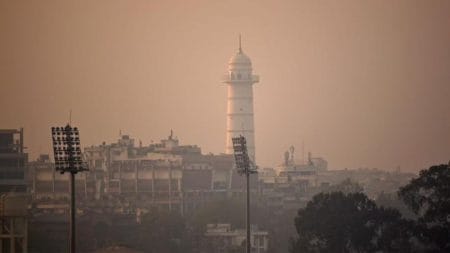
THE SMOKE from the federal parliament building in Kathmandu has long since cleared, but the stench of the old order lingers. In September the fury of Nepal’s Generation Z boiled over, triggered by a clumsy social-media ban and decades of systemic rot. After over seventy deaths and a frantic resignation by the veteran prime minister, KP Sharma Oli, the country was left in the hands of an interim technocratic government and an aching vacuum.
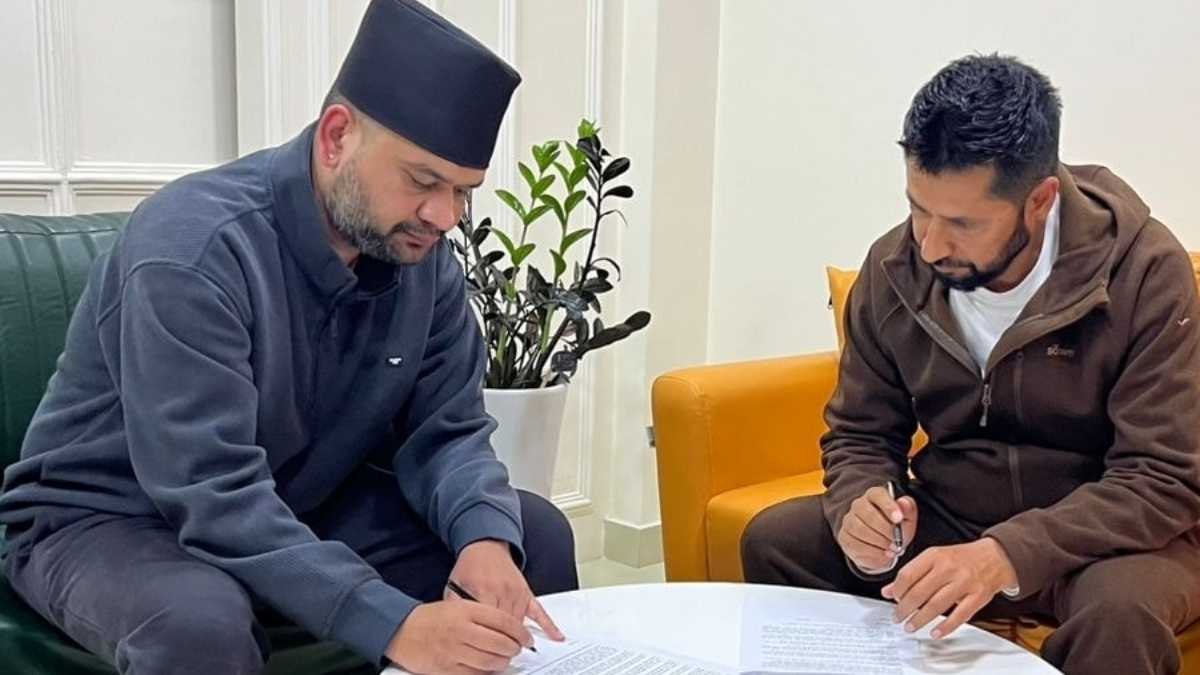
Into this void have stormed two men who represent the most potent, if peculiar, challenge to the established parties in Nepal’s modern history. On December 28th Rabi Lamichhane, the leader of the Rastriya Swatantra Party (RSP), and Balen Shah, the reclusive, rapper-turned-mayor of Kathmandu, signed a seven-point “Grand Unity Agreement”. It is a deal that seeks to consolidate the “alternative” political space ahead of the general elections scheduled for March 5th. On paper, it is a roadmap to a middle-income future; in reality it is a high-stakes gamble between a man fighting for his reputation and a man fighting for total control.
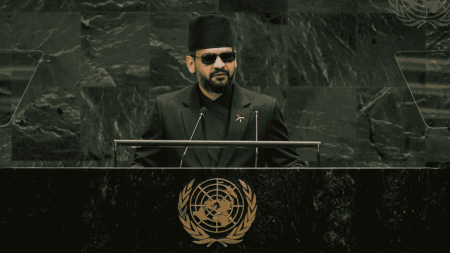
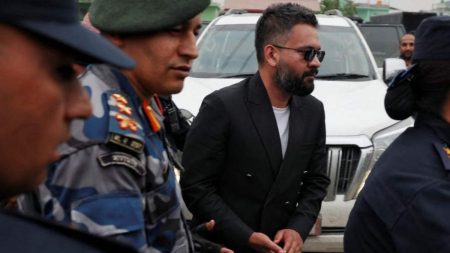
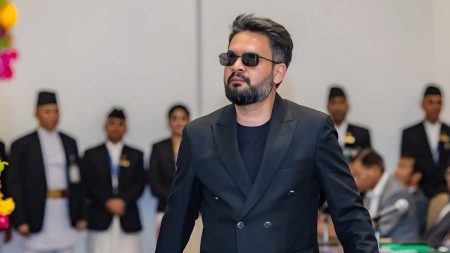
The arrangement is a classic division of labour. Mr Lamichhane, a former television firebrand who once broke world records for the longest talk show, will remain the RSP’s organizational engine as Party President. Mr Shah, whose trademark aviator sunglasses and penchant for bulldozing illegal structures have made him a cult figure among urban youth, will be the party’s face as the parliamentary leader and its candidate for prime minister. The RSP keeps its name and its symbol—a blue bell—but it has gained a heavyweight champion who seems intent on taking the fight directly to the old guard’s doorstep. Mr Shah is reportedly eyeing a run in Jhapa, the home turf of the ousted Mr Oli.
Yet for all the talk of “newness” and “alternative” paths, the alliance feels like déjà vu. The sight of two men carving up future power, while the blood of at least 76 protesters is still fresh on the pavement, suggests that the new elite may have learned the old elite’s habits rather quickly.
The logic of the merger is, at first blush, impeccable. Mr Lamichhane is a master of the airwaves but is currently weighed down by a leaden anchor of legal troubles. He is out on bail, accused of defrauding cooperative depositors to prop up his media empire—charges he dismisses as a political witch-hunt. For him, Mr Shah’s aura of incorruptibility and doer persona provides much-needed political cover. For Mr Shah, a man whose popularity is immense but whose institutional footprint is confined to the capital’s city hall, the RSP provides a ready-made national platform.
The agreement’s 10-year roadmap to turn Nepal into a respectable middle-income nation is exactly the kind of bold, technocratic vision that appeals to a youth population tired of hearing about “protracted transitions”. But look closer and the cracks begin to show. The alliance remains a two-headed beast. In a country where the dual-centre leadership of the legacy parties has led to paralysis and perpetual infighting, the RSP’s new structure—splitting the party presidency from the premiership—looks like a recipe for future friction.
Moreover, the Grand Unity is not quite grand enough. The most glaring absence from the Sunday signing was Kulman Ghising, the popular energy minister who famously ended Nepal’s crippling power cuts. His Ujyaalo Nepal (Bright Nepal) Party rejected the RSP’s advances, citing a refusal to “erase its identity” under the blue bell. Mr Ghising, a technocrat with actual results to his name, apparently found the ego-driven leadership of the new alliance a bridge too far. His holdout suggests that the “alternative” space is still more a collection of rival ambitions than a coherent movement.
Then there is the matter of temperament. Mr Shah has shown an erratic, even authoritarian streak as mayor. He has famously sparred with the judiciary, as well as ignored central government directives and used his social media megaphone to bypass traditional democratic checks. While his supporters see this as the bulldozer efficiency Nepal needs, skeptics see the seeds of a populist strongman. When a man who thrives on unilateral action joins forces with a man who knows how to manipulate a camera, the result may be less a “liberal economic framework” and more a brand of illiberal populism.
The Gen Z protests of September were a scream for accountability. The youth did not die for a mere change of brand: they died for a change of system. The RSP-Shah alliance claims to honor those martyrs, but its platform is light on how it will actually dismantle the patronage networks that have stifled Nepal since the end of the monarchy. Promising a “middle-income nation” is easy; reforming a civil service that runs on bribes and a judiciary that bends to the powerful is the grind that usually defeats Nepal’s reformers.
Still, the traditional parties—the Nepali Congress and the CPN-UML—would be foolish to underestimate this pairing. The old guard’s failure is so absolute that many voters may be willing to overlook Mr Lamichhane’s legal baggage and Mr Shah’s reclusive vanity just to see the back of the gerontocracy. The bell is ringing, and for the first time in years, the old men of Kathmandu are seriously afraid of the sound.
But whether this alliance is a real new dawn or just a more photogenic version of the same old chaos is to be seen. Nepal has a tragic history of its saviours turning into its next set of problems. If Mr Lamichhane and Mr Shah spent as much time on policy as they did on the aesthetics of their merger, the country might have reason for hope. For now it is a marriage of convenience in a city that has seen too many of them. The bell has rung; the bulldozer is idling. But in Kathmandu promises have a habit of fading before they can be fulfilled. ■