IMAGE: SETOPATI
ON THE STREETS of Kathmandu, the signs of Nepal’s stalled revolution are everywhere. Grand government buildings, commissioned after the monarchy fell in 2008, stand half-finished, their exposed rebar rusting in the heat. Posters for the three parties that have dominated politics since the 1990s—the Nepali Congress and two communist factions—are peeling from the walls. The talk in tea-shops is of the same old faces and the same promises of prosperity that never materialise. For years, the only change was the deepening cynicism. Then came the kids with their phones.
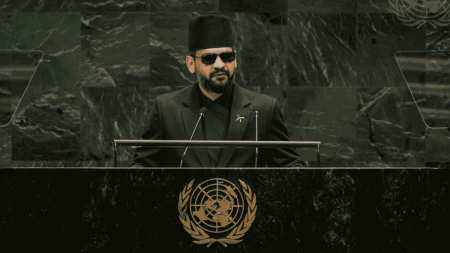
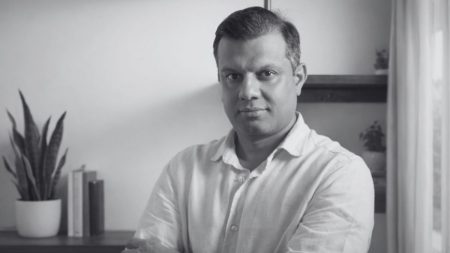
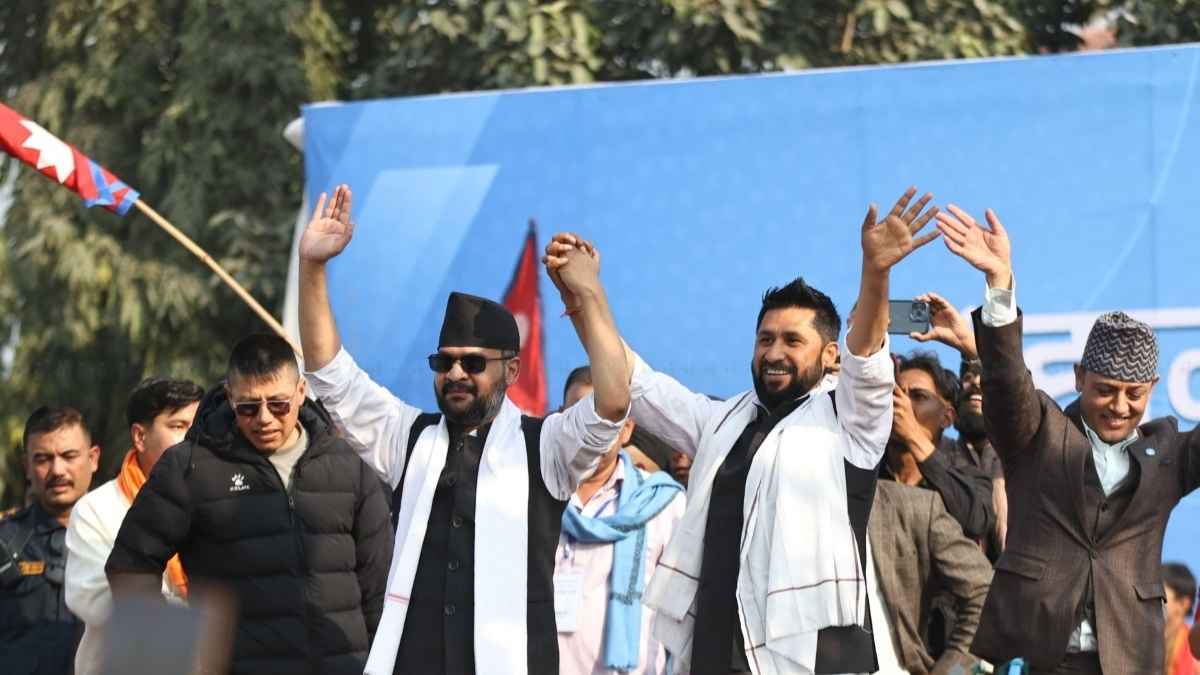
In less than four years, the Rastriya Swatantra Party (RSP) has exploded into this stagnant scene. It was founded in 2022 by Rabi Lamichhane, a television journalist turned populist firebrand. At the last election it won 20 seats in parliament, becoming a national party and a coalition kingmaker. Now, after merging with Kathmandu’s magnetic mayor, Balen Shah, it appears to have the upper hand ahead of the snap election on March 5th. It has energised a young, urban and diaspora electorate that had given up on politics. It has put the old guard on notice. Yet the sobering truth is that the RSP is less a clean break from the past than a mirror to its ailments.
The party’s appeal is easy to grasp. It channels a deep fury at Nepal’s “political cartel”, which has overseen chronic instability—ten governments in sixteen years—while lining its own pockets. The RSP’s pitch is pragmatic and digitally native: scrap the wasteful provincial governments; elect the prime minister directly; get the state out of the way of business. Its chosen candidates are often young professionals, and not party hacks. As ministers in a coalition government led by Pushpa Kamal Dahal of the Maoist Centre in 2024, its technocrats showed flashes of real competence. Sumana Shrestha, the education minister, tried to prise universities from the grip of party loyalists. She introduced a parliamentary calendar, a simple tool for accountability that existing parties had somehow never adopted.
Yet the party’s record in office also shows the limits of anti-politics. However slick its ministers, the RSP is bound to the fortunes of Mr Lamichhane, whose blend of charisma and victimhood fuels its engine. That is a weakness. He has been dogged by legal troubles including a supreme-court ruling that stripped him of his seat in 2023 because he had failed to properly reacquire Nepali citizenship after renouncing an American passport. More serious are allegations linking him to a vast scandal in which savings cooperatives were allegedly looted to fund a television station. Last week the attorney-general, Sabita Bhandari, moved to drop the most serious charges against him, a decision now being challenged in court. To many, it looks like the sort of backroom fix the RSP claims to despise.
The party’s internal culture is another worry. Dissenting voices have been purged. Ms Shrestha quit last year, lamenting that “the leader stands above the party”. The merger with Mr Shah’s network is a marriage of convenience rather than a meeting of minds, uniting two charismatic personalities who have shown more appetite for attacking the old system than for building a new one. The RSP risks becoming what it set out to replace: a vehicle for personalities rather than principles.
There is a larger lesson here for Nepal and other democracies where anti-establishment parties have surged. Voters are right to want to smash a corrupt and complacent system. But wrecking is easier than building. The RSP’s policy to abolish provincial governments, for example, is a crowd-pleaser in Kathmandu but would undo a core part of Nepal’s federal constitution, designed to give marginalised regions a voice. The party’s disdain for the messy business of coalition-building could leave it paralysed in parliament. Its lack of a grassroots machine outside the cities may yet cost it at the polls.
Nepal needs change. Its economy is kept afloat only by remittances from workers abroad; over 1m young people have left in search of jobs since 2021. The old parties are exhausted. The RSP has given a voice to the furious and the forgotten. But to deserve power, it must show it can make the compromises that governance demands, uphold the institutions it wants to reform and offer a plan that is more than a promise. If the RSP becomes merely a more efficient version of the cartel it replaced, the bell will eventually toll for them, too. ■