IMAGE VIA FACEBOOK
WHEN A country’s central bank has to order a review of every loan on the books, it is usually a sign that the lenders themselves have lost track of which advances are real and which are fictions.
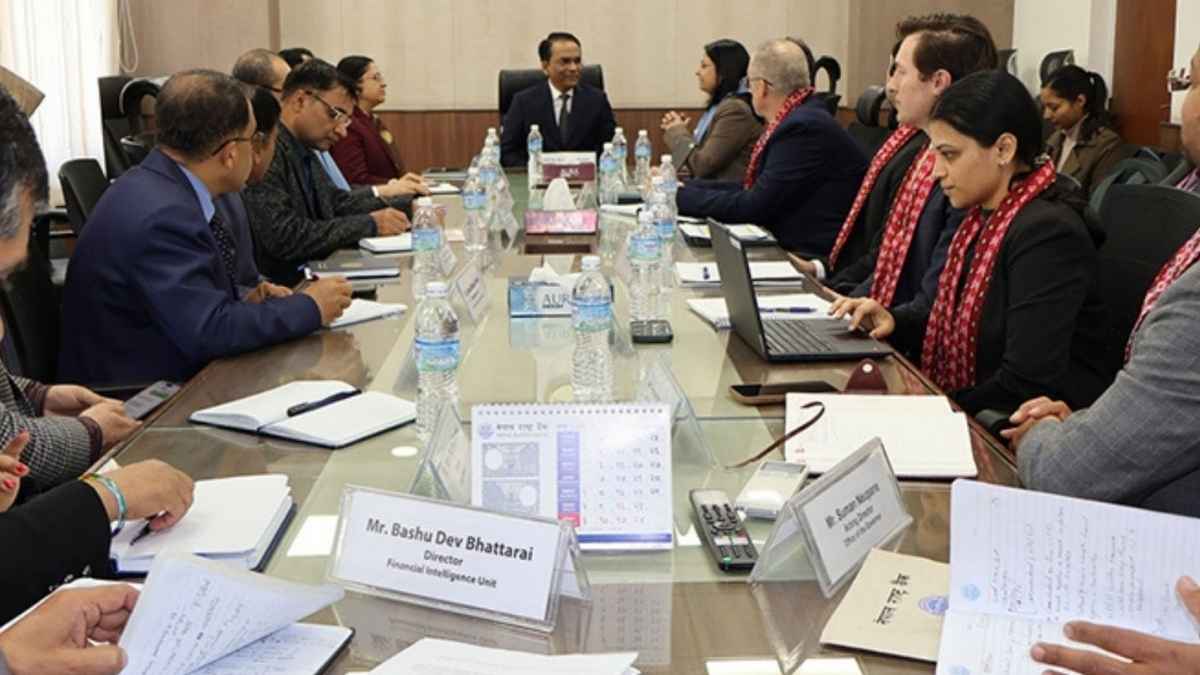
Nepal’s just-completed Loan Portfolio Review, conducted under the eye of the International Monetary Fund, has confirmed what many in Kathmandu long suspected: the non-performing loan ratio of 5.4% published in January is a fiction. Once the new inspections are fully reflected, the share of dud debt will rise, eating into capital cushions that were already looking slim.
The IMF team that left Kathmandu on February 20th approved the next tranche of its $384m aid package anyway. It had little choice: pulling the plug would have spooked investors further. But the deal comes with a warning.
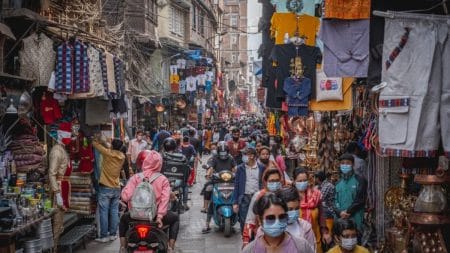
The numbers on the surface have a deceptive calm. Inflation is a mere 2.4%, held down by shoppers who have stopped spending. Remittances from the hundreds of thousands of Nepalis working abroad keep pouring in, pushing foreign reserves to comfortable highs. Tourists are trickling back.
Yet the economy is barely moving. The IMF expects growth of just 3-3.5% for the fiscal year, well below the pace needed to absorb the young people now lining up for foreign-work permits. The gap between the bustling departure lounges of Kathmandu’s airport and the quiet factory floors tells its own story.
That story is largely one of political paralysis. Protests late last year damaged property and confidence in equal measure. Investors who might have built new hotels or hydropower plants are sitting on their hands, waiting for the March 5th election results. The government for its part cannot spend the money it has. Mid-year budget figures showed capital expenditure revised sharply down, a chronic failure that leaves roads half-built and bridges unstarted. Revenue growth is subdued, limiting the scope for stimulus even if the political will existed.
The real trouble, however, is in the banks. The loan review, an exhaustive inspection of asset quality, is meant to force reality into the open. Once provisions are raised against the newly identified bad loans, several lenders will find their capital ratios under strain. The central bank, Nepal Rastra Bank, has been told to update its rulebook to match international standards—a process that includes amending the central bank act to give it more independence and a proper resolution regime for failing lenders. Those amendments have been promised to Parliament. In Kathmandu promises to Parliament are sometimes the last sign of life for a reform before it dies.
Separately, the government plans to create an Asset Management Company to take over the worst loans, a bad bank in all but name. The IMF endorses the idea only if it follows “international best practices”, a diplomatic way of saying that such vehicles have a habit of becoming dumping grounds for political favourites unless ring-fenced with strict rules. The savings and credit cooperatives, a parallel financial system beloved by ordinary savers, remain in even worse shape, though their problems are less visible and therefore less urgent to politicians.
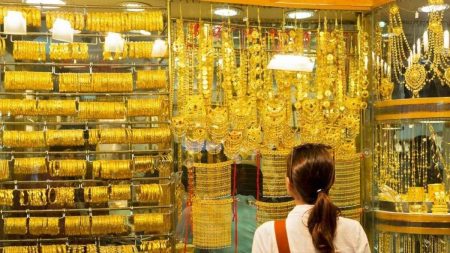
The IMF’s prescription is orthodox but necessary: collect more taxes, spend the money on infrastructure, clean up the banks and get out of the grey list maintained by the Financial Action Task Force, the global dirty-money watchdog. The last of these matters more than most realise. Until Nepal exits the list, correspondent banks abroad will treat it with suspicion, making international transactions slower and costlier. Concrete progress on anti-money laundering is the price of admission to the normal financial world.
The loan review has exposed the rot, and political uncertainty delays the surgery. A peaceful transition—the current hope—might restore confidence. Yet confidence alone does not recapitalise a bank or rebuild a road. Those tasks require decisions not just calm. ■